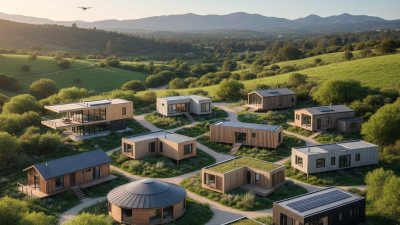
2025 Top 5 Trends in Prefabricated Small Homes for Sustainable Living
In recent years, the concept of sustainable living has gained significant traction, leading to an increased interest in prefabricated small homes. These innovative dwellings not only embody the principles of sustainability but also offer practical solutions to modern housing challenges. As we look towards 2025, several emerging trends are reshaping the landscape of prefabricated small homes, making them more appealing to environmentally conscious buyers.
From advanced building materials that enhance energy efficiency to smart technology integration that improves livability, the evolution of these homes reflects a growing commitment to reducing our carbon footprint. Additionally, adaptability in design allows homeowners to tailor spaces according to their unique needs, promoting minimalism without sacrificing comfort. This article will explore the top five trends driving the future of prefabricated small homes, highlighting how they contribute to a sustainable lifestyle while embracing modern aesthetics and functionality.
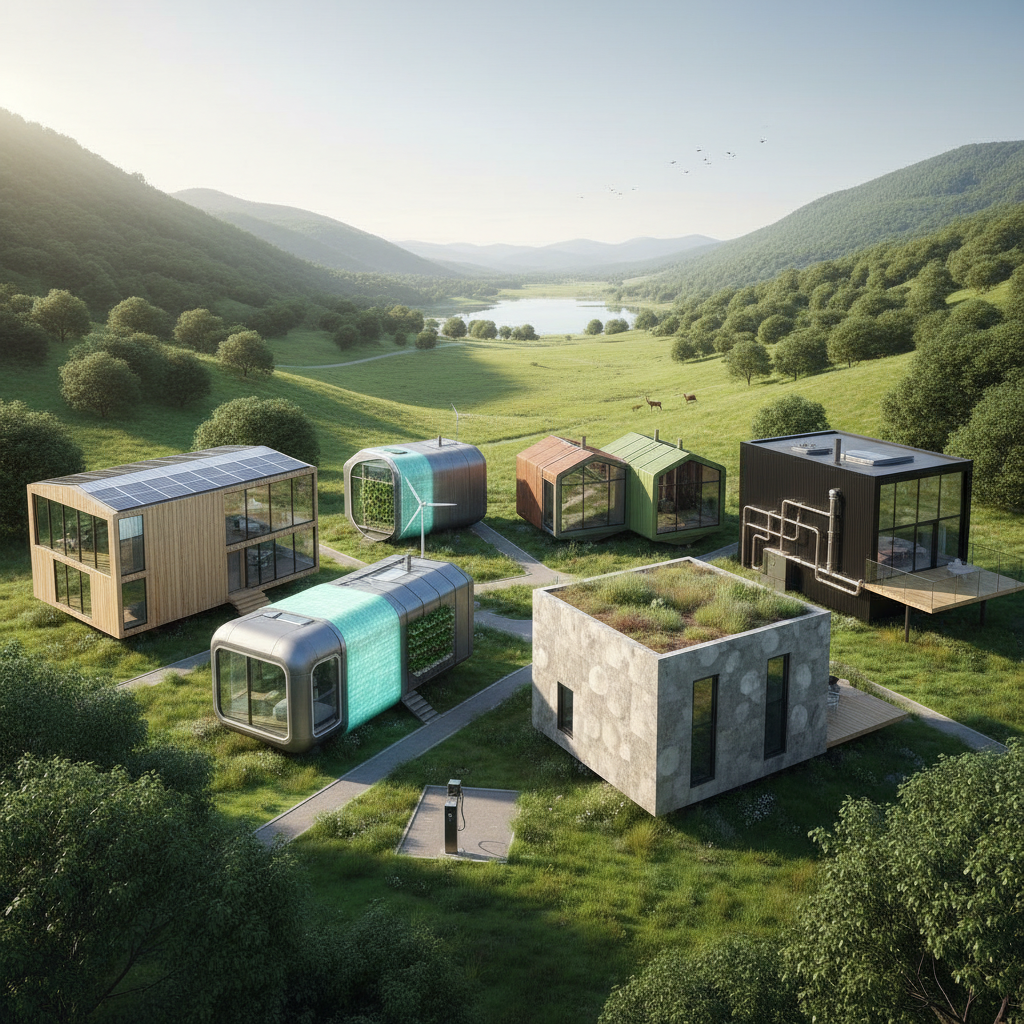
The Rise of Modular Design: Efficiency and Customization in Small Homes
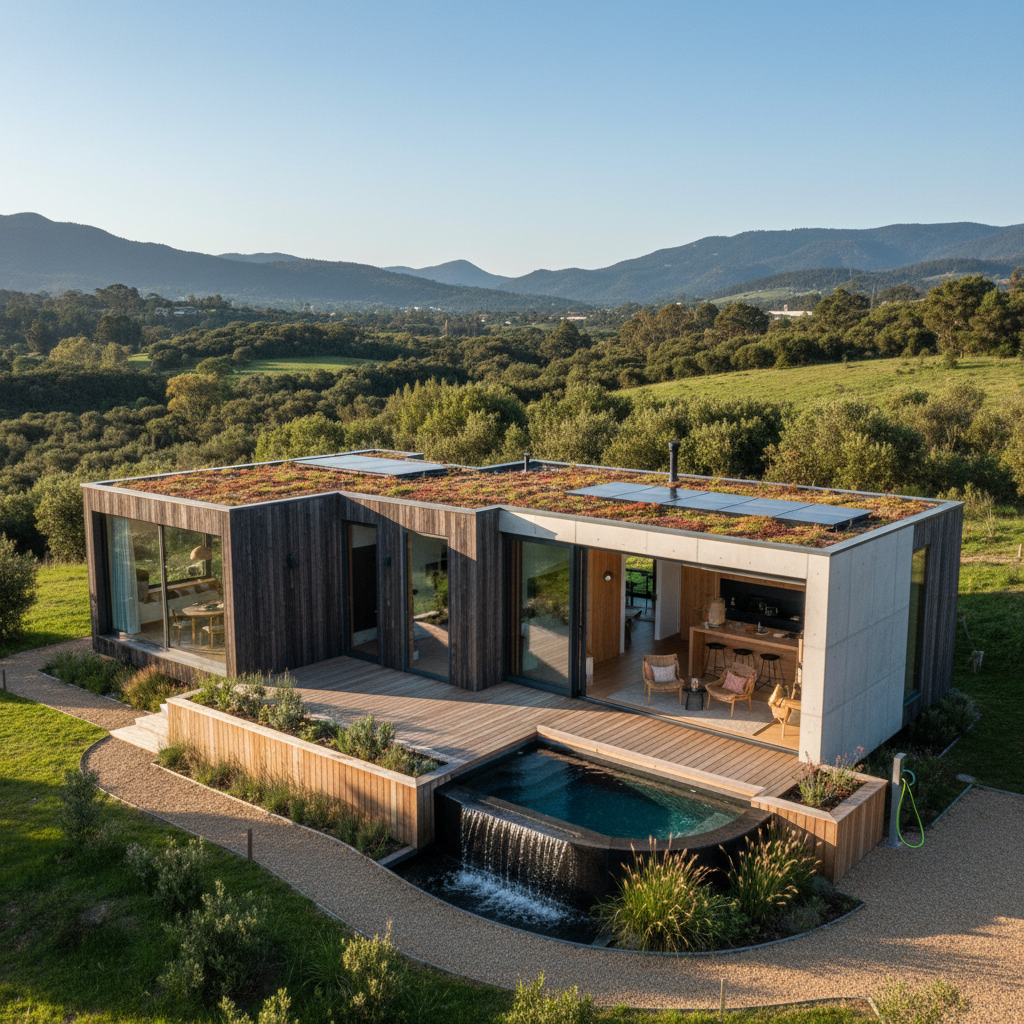
The modular design of prefabricated small homes is capturing significant attention as the demand for sustainable living increases. With the global sustainable housing market projected to reach $1.4 trillion by 2030, the modular approach offers a compelling solution. According to a report by McKinsey & Company, prefabricated construction can reduce project timelines by up to 50% compared to traditional methods, making it a desirable option for eco-conscious consumers seeking efficiency without sacrificing quality.
Customization is another remarkable aspect of modular homes, allowing homeowners to tailor their living spaces to their specific needs and lifestyle preferences. A survey by the National Association of Home Builders found that 70% of homebuyers are interested in customizing their homes, and modular designs facilitate this desire. By leveraging advanced technologies such as 3D printing and digital modeling, manufacturers in this sector can deliver unique, energy-efficient structures that align with modern sustainability goals, promoting a more harmonious interaction between architecture and nature.
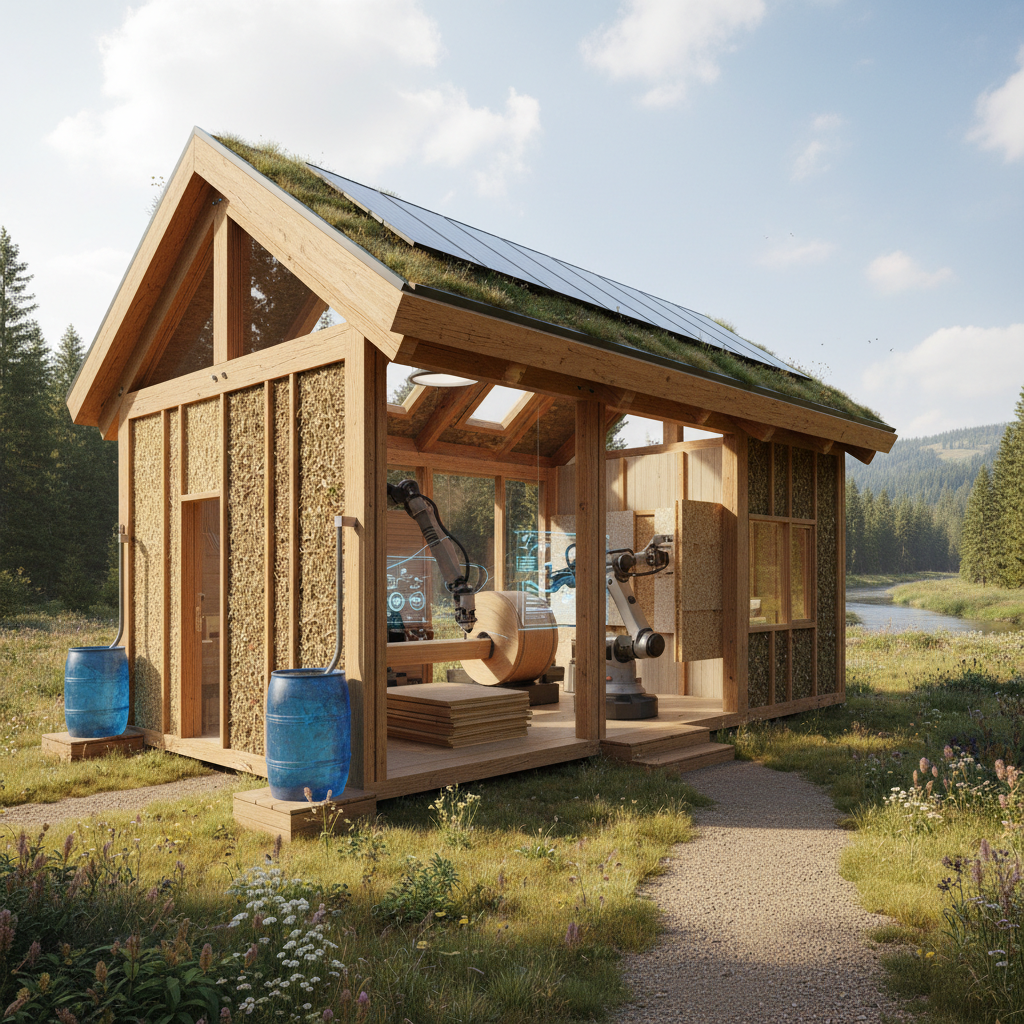
Sustainable Materials: Innovations in Eco-Friendly Construction
The integration of sustainable materials into the construction of prefabricated small homes is at the forefront of eco-friendly innovation. Recent advancements highlight the significant role artificial intelligence plays in optimizing production processes. These technologies allow for the efficient use of eco-friendly materials, ultimately transforming construction methods and reducing waste. As the demand for sustainable living increases, innovations in the materials used for building, such as recycled and bio-based options, are expected to gain prominence.
Emerging trends indicate a strong market growth trajectory for sustainable construction materials, projected to reach substantial values by 2034. Bio-based materials are estimated to grow significantly, reflecting a rising interest in environmentally responsible building practices. Additionally, LEED-compliant materials are becoming increasingly integral as builders strive to meet sustainability certifications. This shift not only addresses environmental concerns but also enhances the resilience and longevity of structures, paving the way for a more sustainable future in housing.
Smart Technology Integration: Enhancing Energy Efficiency in Prefabricated Homes
In 2025, the integration of smart technology in prefabricated small homes is poised to redefine sustainable living. This trend is driven by the increasing demand for energy efficiency and smart solutions in residential construction. According to reports, the low voltage residential switchgear market is expected to exceed $17.7 billion by 2024, with a compound annual growth rate of 9.3% from 2025 to 2034. This growth is attributed to the accelerating urbanization and expansion of smart home technology, emphasizing the need for homes that are not just environmentally friendly but also technologically advanced.
Governments across China are prioritizing the development of "good houses" that embody safety, comfort, and sustainability. The push for green and smart buildings is evident in recent initiatives, such as the release of guidelines for architectural energy savings and the promotion of prefabricated constructions. The integration of smart technology into these homes ensures the seamless interconnection of building systems, resulting in enhanced energy management and lower carbon emissions. As the industry transitions toward green and intelligent construction methods, we witness a new era of housing that meets the high-quality living standards demanded by contemporary society.
2025 Top 5 Trends in Prefabricated Small Homes for Sustainable Living
| Trend | Description | Impact on Energy Efficiency | Implementation Examples |
|---|---|---|---|
| Smart Home Integration | Incorporating IoT devices for automation and remote management. | Improves energy management and reduces waste through optimization. | Home automation systems controlling lighting and HVAC. |
| Solar Panel Integration | Utilization of solar technology for energy generation. | Significantly lowers reliance on grid electricity. | Rooftop solar installations on pre-built structures. |
| Green Building Materials | Using recycled and sustainable materials for construction. | Reduces carbon footprint and enhances insulation. | Bamboo, reclaimed wood, and recycled steel in small homes. |
| Energy Storage Solutions | Integrating battery systems for energy storage. | Allows for energy independence and optimized usage. | Home batteries that store solar energy for night use. |
| Smart Water Management | Technology for monitoring and managing water use. | Reduces water waste and promotes conservation. | Smart irrigation systems and leak detection sensors. |
Affordable Housing Solutions: Addressing the Global Housing Crisis with Small Prefabs
The global housing crisis has prompted a search for innovative and economical solutions, with small prefabricated homes emerging as a practical answer. These compact dwellings offer a sustainable and affordable option for individuals and families grappling with the rising costs of housing. The modular construction method not only reduces material waste but also minimizes construction time, enabling quicker occupancy for those in need. As cities continue to expand and housing shortages become more acute, leveraging the efficiency of prefabricated small homes could be key to solving the affordability dilemma.
In addition to cost-effectiveness, small prefabs are designed to be environmentally friendly, utilizing sustainable materials and energy-efficient technologies. This aligns with the increasing demand for eco-conscious living spaces that reduce the carbon footprint. Communities around the world are beginning to embrace these unique homes, recognizing their potential to provide safe, livable spaces without depleting valuable resources. Thus, the integration of these affordable housing solutions within urban planning initiatives can significantly contribute to a more sustainable future and help alleviate the pressures of the ongoing housing crisis.
Community Living: The Trend Towards Shared Spaces in Sustainable Small Home Developments
The trend towards community living in sustainable small home developments is gaining momentum, reflecting a broader shift in how we approach housing and environmental stewardship. According to a recent report by the National Association of Home Builders, approximately 60% of homebuyers now prioritize eco-friendly features and community-centric designs in their housing choices. This highlights a growing demand for shared spaces that not only promote social interaction but also enhance resource efficiency.
Shared spaces in these developments include communal gardens, co-working areas, and recreational facilities, fostering a sense of belonging among residents. Research by the American Institute of Architects indicates that such shared environments can reduce individual utility costs by up to 30%, as resources like energy and water are managed collectively. More than just a trend, community living is reshaping our housing landscape, making sustainable living more accessible and affordable for individuals and families seeking a greener lifestyle without sacrificing community connections.
2025 Top 5 Trends in Prefabricated Small Homes for Sustainable Living
Related Posts
-
10 Best Prefabricated Homes for Your Dream Living Space
-
Exploring the Benefits of Choosing Pre Manufactured Homes for Modern Living
-
Exploring the Future: Sustainable Living with Innovative Prefab Homes
-
Why Choosing Large Modular Homes Can Be the Best Decision for Your Family
-
Exploring the Future of Modular Houses in Sustainable Living Solutions
-
2025 Top 5 Modern Modular Homes Revolutionizing Sustainable Living and Design