Top 10 Advantages of Prefabricated Small Homes for Modern Living?
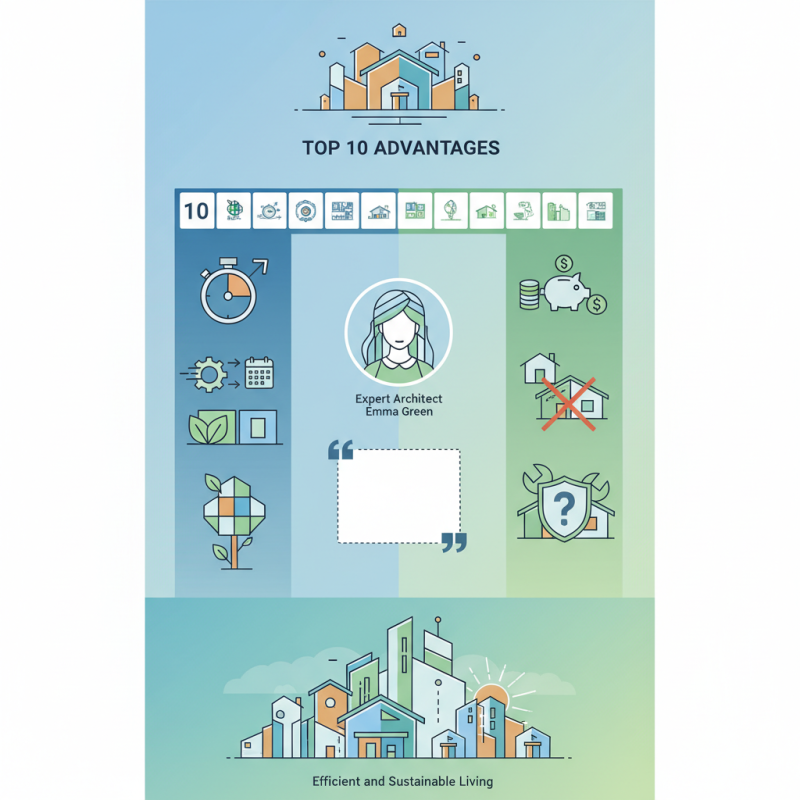
In recent years, the popularity of prefabricated small homes has surged. These innovative living spaces offer unique solutions for modern living challenges. Expert architect Emma Green states, “Prefabricated small homes can redefine efficiency and sustainability in housing.”
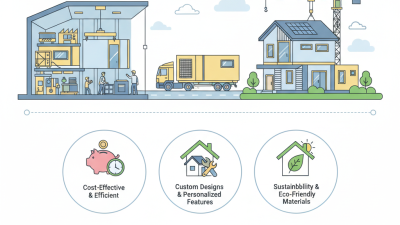
One of the main advantages is their construction speed. Many homes can be built in weeks rather than months. This rapid turnaround can be crucial for those needing immediate housing. Prefabricated small homes also often use sustainable materials, promoting eco-friendly living. However, there are construction quality concerns that cannot be overlooked. Some manufacturers may cut corners to save costs.
Affordability plays a significant role as well. These homes are typically less expensive than traditional dwellings. Yet, the initial low cost can come with hidden fees. Buyers should be cautious about potential additional expenses. Despite challenges, prefabricated small homes represent a fascinating shift towards efficient and sustainable living. The blend of modern design and practicality makes them increasingly appealing.
Advantages of Affordability in Prefabricated Small Homes
Prefabricated small homes have gained popularity due to their affordability. These homes can be built faster than traditional houses, leading to reduced labor costs. As a result, buyers can save money and invest in quality materials instead. Additionally, it allows for more budget flexibility during the building process.
Living costs are generally lower in small homes. Fewer materials mean lower utility bills. Smaller spaces require less heating and cooling, which saves even more on energy expenses. This affordability attracts young professionals and families seeking to minimize financial strain. However, living in smaller spaces also tests creativity in interior design.
Not everyone finds small homes comfortable. Some may struggle with the downsizing process. It can be difficult to decide which belongings to keep. Yet, this challenge offers a chance for personal reflection and growth. Choosing what is truly necessary can lead to a simpler lifestyle. Balancing comfort and minimalism is key.
Benefits of Quick Construction Timelines for Modern Living
Prefab small homes have gained popularity due to their quick construction timelines. Research shows that prefabricated homes can be built in as little as 12 to 20 weeks. This timeline is significantly shorter than traditional homes, which often take several months or even years to complete. The ability to quickly set up living spaces meets the growing demand for housing in urban areas.
The shorter construction period offers numerous benefits. Homeowners can move in swiftly, minimizing the time spent on temporary housing. According to a report by the National Association of Home Builders, faster construction can reduce project costs by up to 20%. This is vital for those on tight budgets or looking to avoid long-term rental expenses. Moreover, a rapid build means fewer disruptions to the surrounding community, making it an attractive option for urban development.
Not everything is perfect, though. While speed is essential, the focus on quick timelines can sometimes lead to overlooked details. Proper planning is still crucial. A rushed construction process may result in quality issues. Homeowners need to ensure that the construction meets local codes and standards, despite the faster timeline. The balance between speed and quality remains a critical concern in the prefabricated housing industry.
Top 10 Advantages of Prefabricated Small Homes for Modern Living
Sustainability and Environmental Impact of Prefabricated Homes
Prefabricated homes offer a unique approach to modern living. They can significantly reduce waste during construction. Traditional building methods often lead to excess materials and debris. Prefab homes are built in controlled environments, which minimizes this issue. They can use eco-friendly materials, enhancing sustainability.
Energy efficiency is another advantage. Many prefabricated homes incorporate sustainable designs from the start. For instance, they often feature energy-efficient windows and insulation. This means lower energy bills for homeowners. However, not all prefabs are created equal in terms of eco-friendliness. Research is vital, as some may still rely on non-sustainable materials.
Water conservation is also crucial. Some prefabricated designs include systems for rainwater collection. This aspect can help in reducing the demand for municipal water. Yet, this is still not widespread, leading to missed opportunities for better environmental practices. Investing in prefab homes could be a step towards sustainability, but awareness is essential for making informed choices.
Flexibility in Design and Customization of Small Homes
Prefabricated small homes offer remarkable flexibility in design and customization. Homebuyers often desire unique living spaces that reflect their personal tastes. A recent industry report indicates that 40% of potential homeowners prioritize customization when choosing a new home. Prefabricated structures can adapt easily to various styles, from modern minimalism to rustic charm.
Being able to personalize a small home can significantly enhance the overall satisfaction of its inhabitants. You can choose layouts, colors, and materials that fit your vision. With innovations in construction technology, many options are available. This allows for creative combinations that suit both functionality and aesthetic appeal. However, keep in mind that the more features you add, the higher the cost can rise. Balancing creativity with budget constraints is essential.
Tip: Before starting a project, sketch your ideas. Visualizing the design can provide clarity and direction. Set a realistic budget to avoid overspending on unnecessary features. Embrace simplicity in your choices. Sometimes less is more. Reflect on what truly adds value to your living space.
Enhanced Energy Efficiency in Prefabricated Housing Solutions
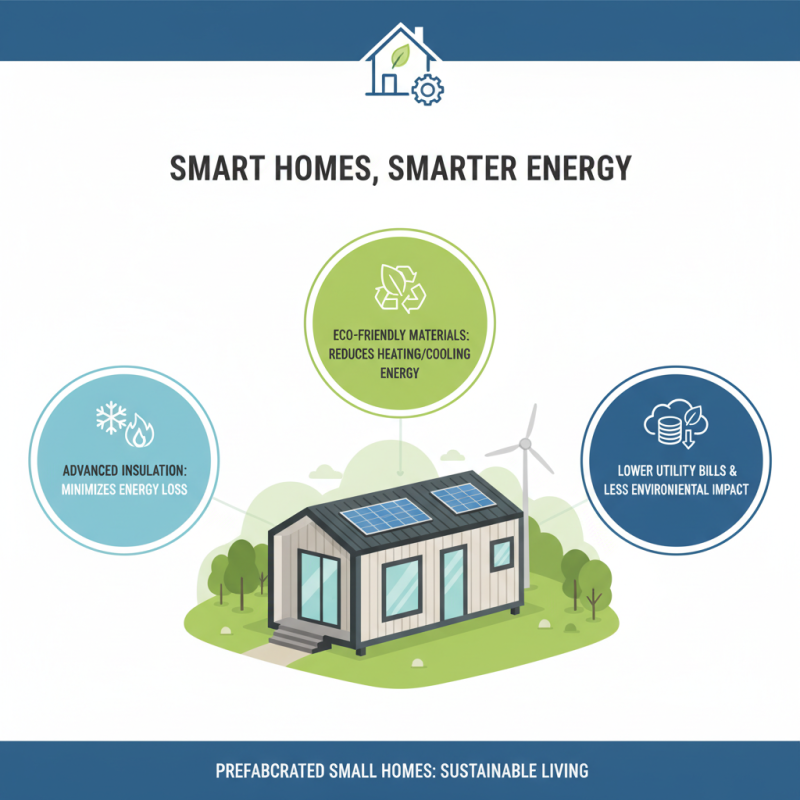
Prefabricated small homes offer significant advantages, particularly in energy efficiency. These homes are designed with advanced insulation that minimizes energy loss. They often use eco-friendly materials, reducing the energy needed for heating and cooling. This leads to lower utility bills and less environmental impact.
When choosing a prefabricated home, consider the orientation of the structure. Positioning the home to maximize sunlight can keep it warm in winter. Adding energy-efficient appliances also makes a big difference. Every small choice contributes to a greener lifestyle.
It’s also essential to think about future improvements. Prefabricated homes can be updated easily. For example, solar panels can be installed on roofs later. This flexibility is a major plus, but planning ahead is key. Don’t rush the process; take time to reflect on your needs and how they may change.