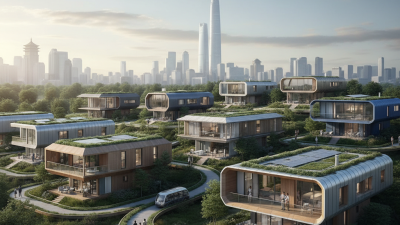
Affordable Prefab Homes in China Are They Worth the Investment?
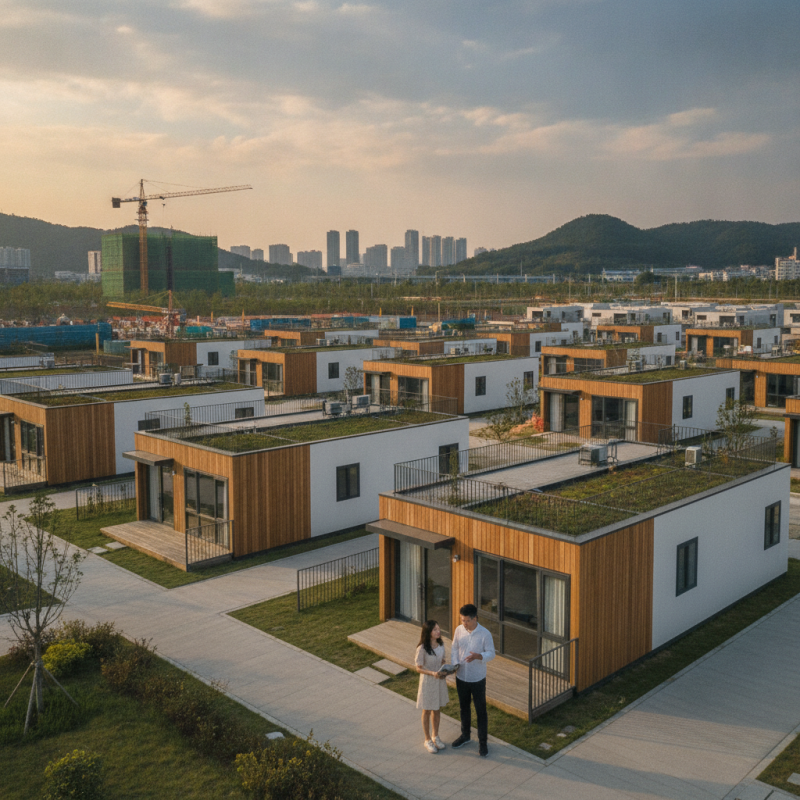
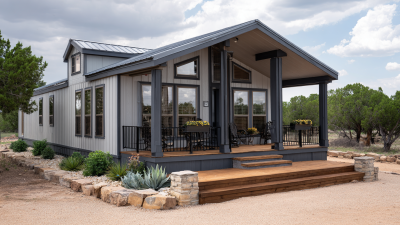
The rise of affordable prefab homes in China has sparked significant interest. These homes present a unique opportunity for many families. They offer cost-effective living solutions in a rapidly urbanizing landscape. However, potential buyers must weigh their options carefully.
Affordable prefab homes come with both advantages and challenges. On one hand, they promise quick construction and lower costs. On the other hand, questions about quality and sustainability remain. Many consumers are hesitant, unsure if they truly offer long-term value.
Investing in affordable prefab homes requires thoughtful consideration. It's wise to explore different manufacturers and designs. Visiting model homes can provide clarity. Each decision impacts not just finances but overall quality of life. Reflecting on these aspects is key before making a commitment.
Overview of Prefab Homes and Their Growing Popularity in China
The popularity of prefab homes in China has surged in recent years. These homes appeal to many due to their affordability and efficiency. Built quickly, they reduce construction time. This aspect can be especially beneficial in urban areas facing housing shortages. As cities grow, the demand for affordable options rises.
Many seek alternative housing solutions. Prefab homes offer a unique answer. The modular design allows for customization, catering to diverse needs. However, questions about durability and long-term value persist. Some worry whether these homes can withstand harsh climates or natural disasters. Potential buyers should weigh these factors carefully.
Experts note that prefab homes can reduce waste during construction. They are environmentally friendly, which resonates with eco-conscious buyers. Yet, the stigma surrounding prefab homes endures. Traditional homes are often seen as more desirable. Changing perceptions may take time. This evolving industry still has challenges to overcome.
Economic Benefits of Investing in Affordable Prefab Homes
Investing in affordable prefab homes in China presents several economic benefits. These homes are constructed using efficient methods, reducing labor costs significantly. Construction timelines are shorter, allowing investors to realize returns more quickly. This efficiency can be a game-changer for low-income families seeking affordable housing.
The market for prefab homes is expanding rapidly. Demand is growing as urbanization increases. This trend suggests a steady appreciation of prefab home values. However, potential investors should consider location carefully. Homes in prime areas may yield better returns, while those in less desirable regions could face challenges.
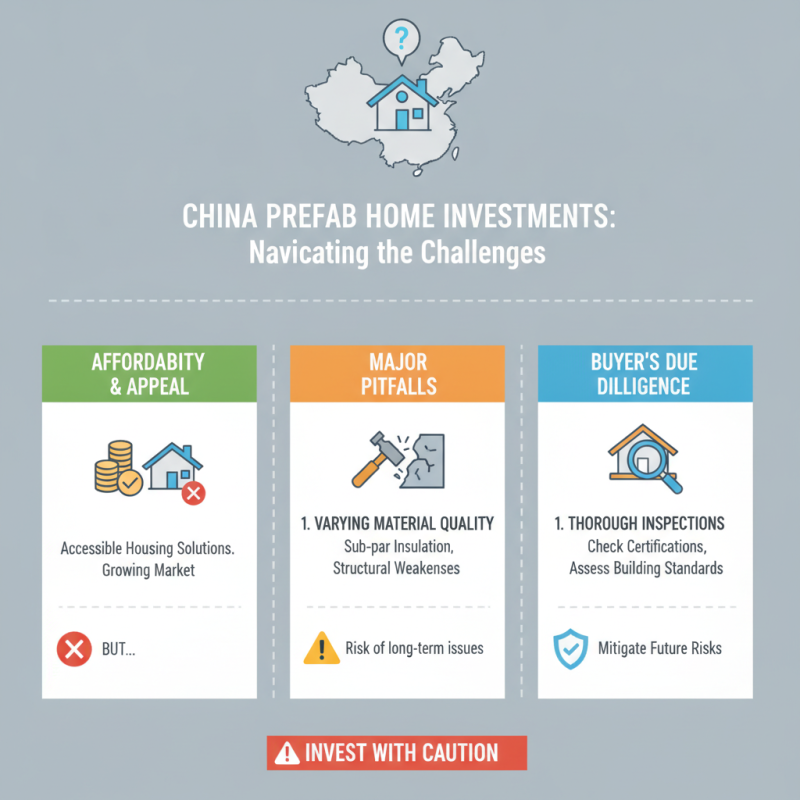
While prefab homes are cost-effective, quality varies. It's crucial to assess construction standards and materials used. Evaluating different suppliers can help avoid disappointment. Investing in research upfront may prevent future regrets. Investors should also be mindful of local regulations that could impact profitability.
Economic Benefits of Investing in Affordable Prefab Homes
Comparative Analysis: Prefab Homes vs. Traditional Housing in China
In recent years, prefab homes have gained traction in China. They offer an innovative solution to housing shortages and rising costs. A report by the China Prefabricated Housing Association noted that prefab construction can reduce building costs by 20% to 30%. This alternative appeals to budget-conscious buyers, especially in urban areas.
Despite the benefits, some challenges remain. Prefab homes may lack the aesthetic appeal of traditional housing. Material quality can vary greatly. A 2022 industry survey revealed that 38% of buyers expressed concerns about durability. Additionally, local regulations can complicate prefab construction. Buyers should ensure compliance with local standards.
Tips: Consider the resale value. The market for prefab homes is still evolving. Future buyers may favor traditional houses. Research local zoning laws carefully. This can prevent costly setbacks. Inspect the materials used in construction. Quality varies, impacting longevity and comfort.
Affordable Prefab Homes in China: Comparative Analysis
| Category |
Prefab Homes |
Traditional Housing |
| Initial Cost (per sq. meter) |
¥3,000 |
¥5,500 |
| Construction Time |
3-6 months |
6-12 months |
| Durability (Years) |
50+ |
70+ |
| Energy Efficiency |
High |
Medium |
| Customization Options |
Extensive |
Limited |
| Maintenance Cost (Annual) |
¥5,000 |
¥8,000 |
Future Trends: The Evolution of Prefab Homes in the Chinese Market
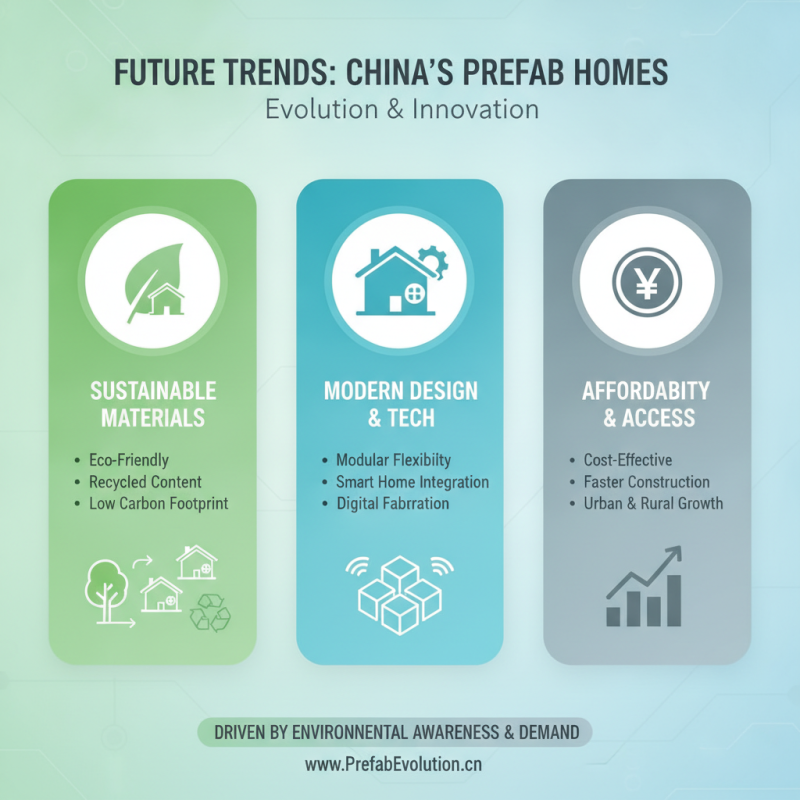
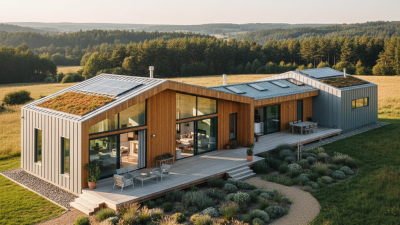
The prefab housing industry in China is evolving rapidly. These homes offer a blend of affordability and modern design. Recent trends indicate a growing interest in sustainable materials. Builders are increasingly adopting eco-friendly practices. This shift reflects a broader awareness of environmental impact.
Despite the advantages, challenges remain. Quality control can be inconsistent across different manufacturers. Buyers may encounter hidden costs during installation. Additionally, customization options can be limited in some prefab models. It is essential to do thorough research before making a decision.
As the market matures, technology plays a crucial role. Innovations like 3D printing are changing how prefab homes are built. Smart home features are becoming more common, adding value to these properties. Investors should stay informed about these developments. The future looks promising, but caution is necessary.