What are the Benefits of Modular Houses in 2026?
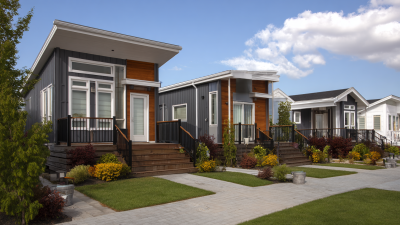
In 2026, the concept of "modular houses" is transforming the housing landscape. These homes are built using pre-fabricated sections, allowing for quicker construction. This method offers flexibility and efficiency, making it a popular choice for many.
The benefits of modular houses extend beyond speed. They promote sustainability by reducing waste and energy consumption. Additionally, these homes often showcase modern design, tailored to meet diverse tastes. However, challenges remain, such as misconceptions about quality and durability.
As society moves towards innovative housing solutions, the importance of understanding modular houses grows. Exploring their advantages can aid in informed decision-making for prospective homeowners. The evolution of modular houses reflects a shift towards practical, eco-friendly living.
Advantages of Modular Houses for Sustainable Living in 2026
Modular houses are gaining traction in 2026 for their sustainable living advantages. A report from the International Energy Agency indicated that modular homes can achieve energy savings of up to 40% when compared to traditional builds. This significant reduction is mainly due to efficient materials and design processes.
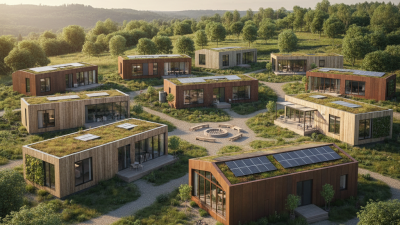
These houses often utilize eco-friendly materials, reducing waste during construction. The National Association of Home Builders notes that modular construction can decrease construction waste by 30%. Furthermore, modular homes are designed to support renewable energy systems. Solar panels can be easily integrated, promoting energy independence. Despite these benefits, challenges remain. For instance, perceptions about quality and durability still linger. Some potential homeowners hesitate, fearing that prefabricated homes may offer less customization.
Sustainability also leads to more affordable housing options. According to the U.S. Department of Housing and Urban Development, modular homes can be built faster, which lowers labor costs. However, the industry must continue addressing zoning regulations that often limit where modular homes can be placed. This ongoing struggle shows that while modular houses offer clear benefits, further advocacy and education are essential to fully realize their potential.
Cost Efficiency and Affordability of Modular Homes in 2026
As modular houses gain popularity in 2026, their cost efficiency becomes increasingly evident. A recent industry report from the Modular Home Association highlights that the average cost of modular homes has decreased by 15% over the past five years. This price drop is mainly due to advancements in construction technology and streamlined supply chains. Homebuyers now find it easier to afford quality housing without sacrificing space or design.
In addition, modular homes typically require fewer labor hours for assembly, which can further lower costs. A 2026 survey by Housing Insights indicates that 70% of respondents perceived modular homes as the most affordable option for first-time buyers. While these statistics are promising, it’s essential to acknowledge potential downsides. Some buyers point out limited customization options and financing challenges in certain regions. These aspects remind us that while modular homes offer an attractive financial solution, they may not be perfect for everyone. Balancing affordability with personal design preferences remains an ongoing discussion in the modular housing sector.
Time-Saving Construction Processes of Modular Houses
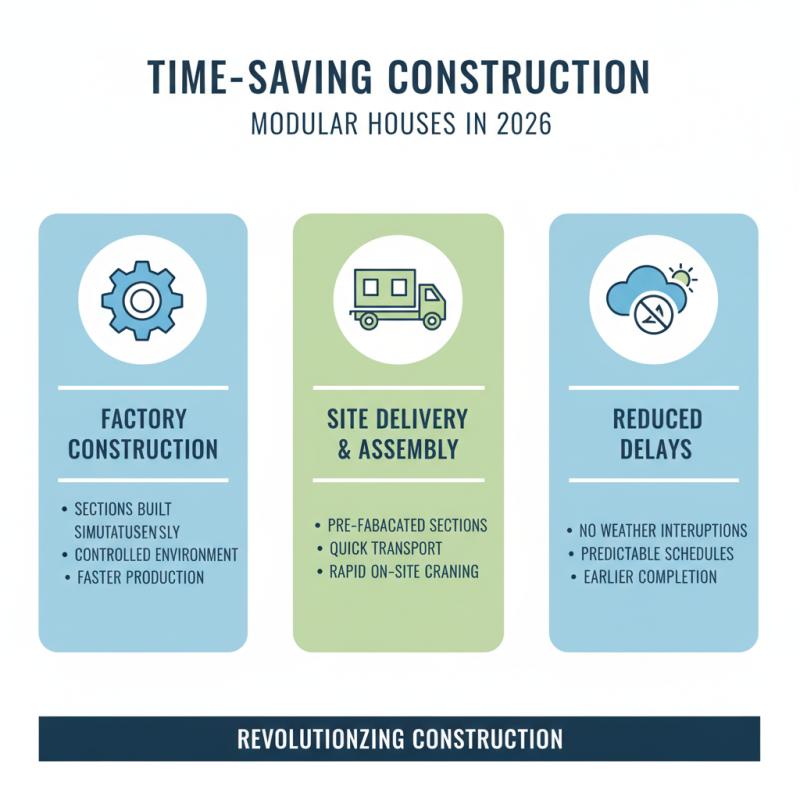
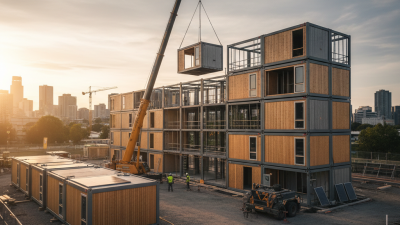
Modular houses are revolutionizing the construction industry in 2026. One major advantage is their time-saving construction process. Unlike traditional building methods, modular homes are constructed in sections at factories. These sections are then delivered to the site. This allows for faster assembly and fewer delays caused by weather.
The efficiency of modular construction stems from streamlined processes. Workers can focus on assembling pre-built units instead of doing everything on-site. This reduces labor hours and minimizes potential errors. The controlled factory environment also ensures higher quality materials and construction standards. However, some may find the idea of limited customization frustrating. Modular designs often have predefined layouts.
Still, the time saved can be substantial. Construction timelines shift from months to weeks. Homeowners can move in sooner, which is appealing in today’s fast-paced market. This rapid construction approach also caters to urgent housing needs. However, there's a need to consider local regulations and site conditions carefully. Balancing speed and compliance requires continuous reflection and adjustment.
Flexibility and Customization Options in Modular Housing
Modular houses offer significant flexibility and customization options. In 2026, this trend is more apparent than ever. A report from the Modular Home Builders Association (MHBA) indicates that 75% of homeowners prefer modular homes for their adaptable designs. This is a stark contrast to traditional construction methods, which are often rigid and time-consuming.
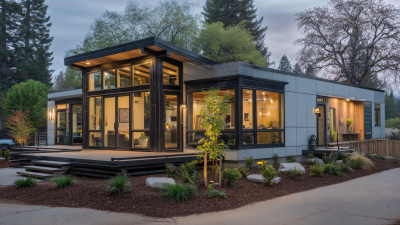
The customization process for modular homes allows buyers to choose layouts, finishes, and materials that suit their needs. According to industry surveys, 68% of homebuyers prioritize personalization in their home-building journey. With modular housing, clients can select elements from a range of design options. This level of choice can lead to unique living spaces that reflect individual lifestyles.
However, the modular housing sector faces challenges. Some buyers worry about perceived quality and longevity compared to site-built homes. Reports from the National Association of Home Builders highlight that consumer skepticism remains, with 40% expressing doubts. This distrust can hinder the growth of modular housing solutions, even amid rising popularity. Continued education about the durability and benefits of modular construction will be vital in overcoming these barriers.
Impact of Modular Homes on Urban Development Trends in 2026
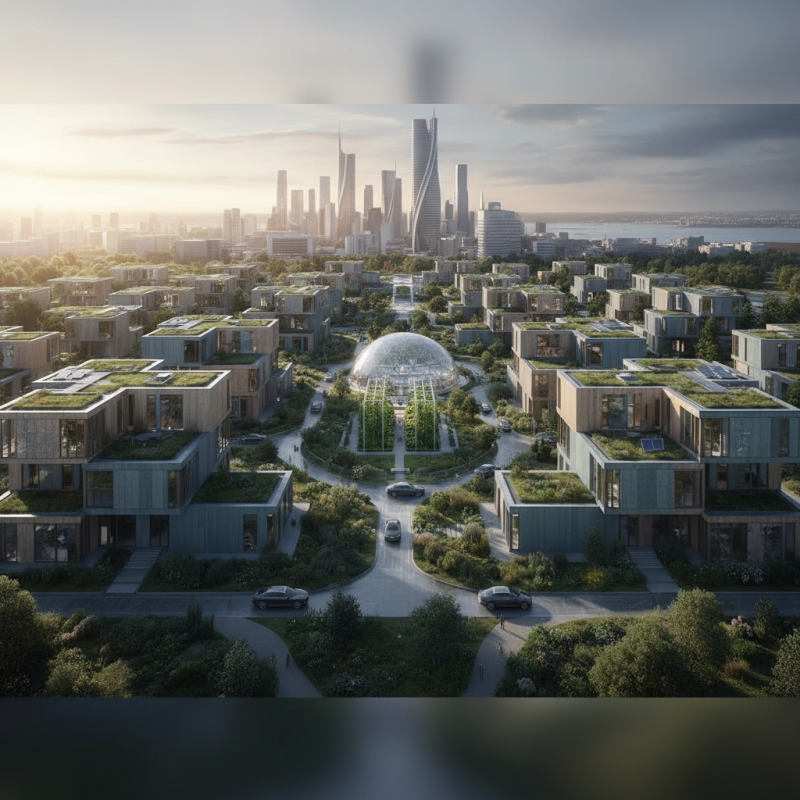
In 2026, modular houses are transforming urban development. Their quick construction significantly eases housing shortages in crowded cities. These homes can be assembled in various shapes and sizes, catering to diverse needs. With rising urban populations, this flexibility is a game-changer.
Sustainability is another highlight. Many modular homes utilize eco-friendly materials. This shift helps reduce the carbon footprint of urban living. However, challenges remain. Not all city regulations easily accommodate modular designs. Adjusting local zoning laws takes time and effort.
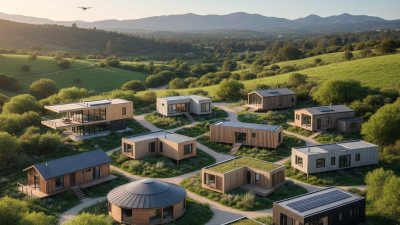
Moreover, there is a social aspect at play. Modular houses can promote community building. By clustering these homes, cities can foster a sense of belonging. Still, some residents may resist the idea of modular neighborhoods. They fear a lack of aesthetic appeal. Balancing innovation with tradition remains essential for urban planners.