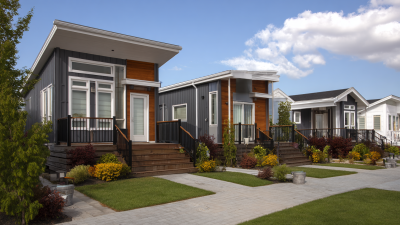
Top 10 Benefits of Prefab Buildings You Need to Know About
In recent years, the construction industry has witnessed a significant shift towards prefabrication, often referred to as "pre fab building." This innovative approach offers numerous advantages that can streamline the building process, reduce costs, and enhance overall quality. As industry expert Dr. Jane Schneider, a leading architectural engineer, aptly puts it, “Pre fab buildings are not just a trend; they represent a sustainable and efficient solution to modern construction challenges.”
The benefits of pre fab building extend beyond mere efficiency. These structures are designed to be more environmentally friendly, utilizing resources more effectively and reducing waste during construction. Furthermore, the speed of assembly in pre fab building projects ensures that timelines are adhered to, providing quicker occupancy for businesses and homeowners alike. With the growing demand for affordable housing and commercial spaces, understanding the top benefits of pre fab buildings is essential for anyone looking to invest in or construct new properties.
As we delve into the top ten benefits of pre fab buildings, it's clear that this method is reshaping our approach to construction, emphasizing not only economic viability but also sustainability in an ever-evolving industry landscape.
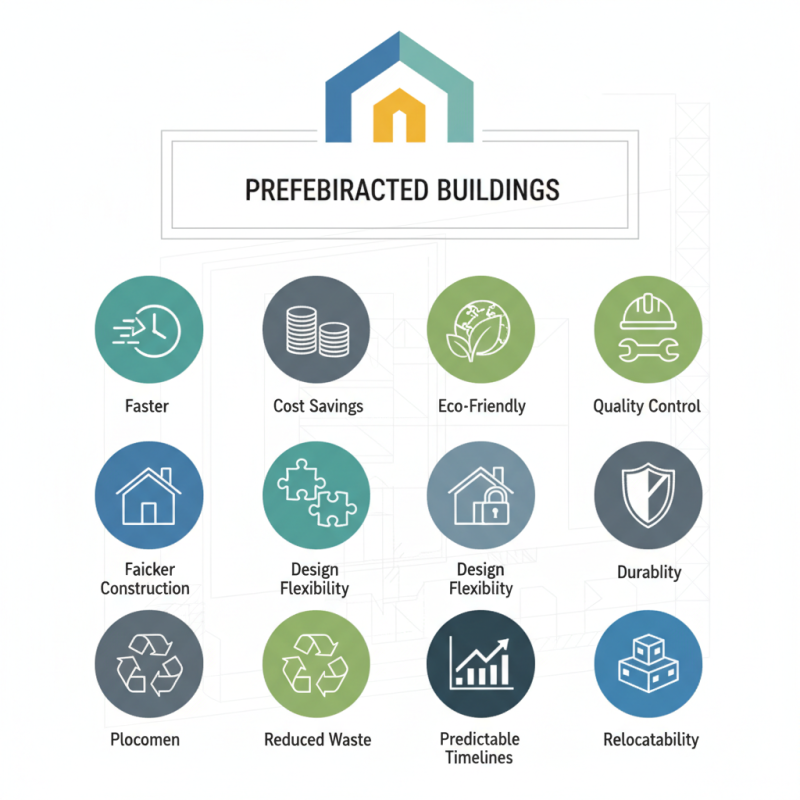
What Are Prefab Buildings and How They Differ from Traditional Structures
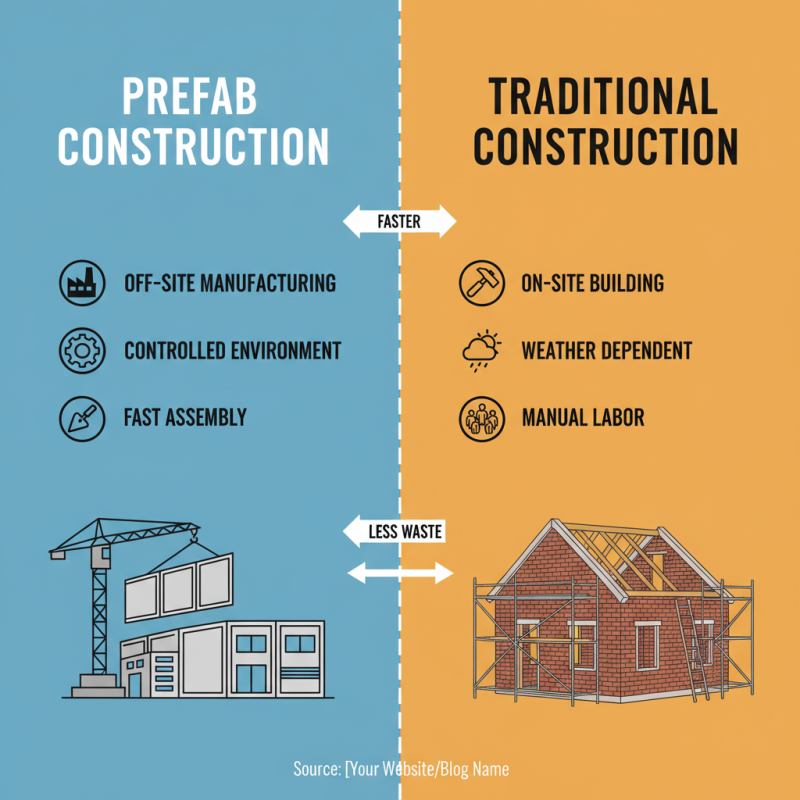
Prefab buildings, or prefabricated structures, are constructed off-site in a controlled environment, with components manufactured in bulk before being transported to their final location for assembly. This process contrasts sharply with traditional construction methods, which typically involve building on-site from the ground up. Traditional structures often face delays due to weather, labor availability, and the various complexities of construction, whereas prefab buildings streamline the process by allowing multiple aspects of the building to be completed simultaneously.
One of the primary differences between prefab and traditional buildings lies in their design flexibility and efficiency. Prefab buildings can be tailored to suit specific needs while still benefiting from the speed of assembly. Because components are produced in a factory setting, Quality Control measures can be implemented more effectively, ensuring a higher standard of construction. Moreover, this method can lead to less waste, as materials are optimally used during the manufacturing stage. As a result, prefab buildings offer a modern, innovative approach to construction that prioritizes efficiency, quality, and sustainability.
The Cost-Effectiveness of Prefab Buildings in Construction Projects
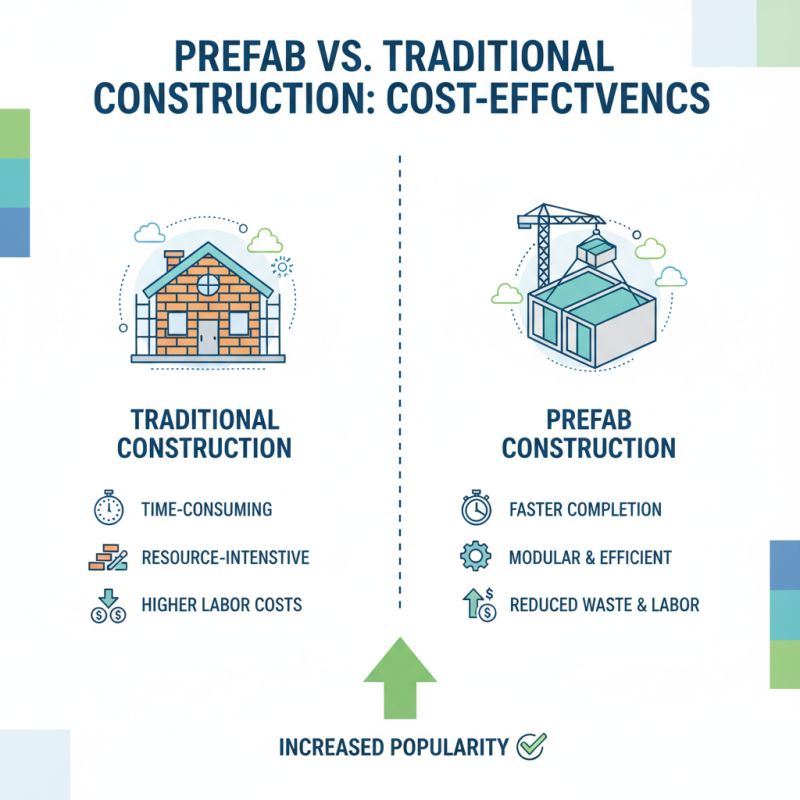
The cost-effectiveness of prefab buildings in construction projects is a significant factor that has led to their increasing popularity. Unlike traditional construction methods that can be time-consuming and resource-intensive, prefab buildings are manufactured off-site and then transported to the construction site. This streamlined approach reduces labor costs and minimizes the time frame required for project completion. By employing a modular construction technique, contractors can produce building components in a controlled environment, thereby enhancing efficiency and reducing waste.
Additionally, prefab buildings frequently benefit from economies of scale, as bulk purchasing of materials can lead to significant savings. These savings not only decrease the overall project budget but also allow for better allocation of resources to other aspects of construction. Furthermore, due to their faster assembly times and reduced on-site labor requirements, prefab buildings can significantly mitigate delays caused by weather and other unforeseen circumstances. This predictability in project timelines is crucial for budget management and can ultimately lead to greater financial returns for construction stakeholders.
Speed of Construction: Why Prefab Buildings Can Be More Efficient
Prefab buildings have garnered significant attention in the construction industry due to their speed of construction, making them an increasingly popular choice for various projects. One of the primary advantages of prefabricated structures is the reduction in construction time. Traditional building methods can be cumbersome, often requiring extensive on-site labor and longer timelines; in contrast, prefab buildings are manufactured off-site in controlled environments. This process allows multiple components to be produced simultaneously, leading to a significant decrease in the overall project duration.
Additionally, the efficiency of prefab construction minimizes delays often associated with inclement weather, on-site worker availability, and other external factors. As parts are pre-made, site preparation and assembly can occur in parallel, streamlining the entire construction process. This rapid turnaround not only helps clients save on labor costs but also reduces the time required for the building to become operational. The result is a quicker path from concept to completion, enabling businesses and individuals to enjoy their new spaces faster than traditional construction methods would allow.
Sustainability and Environmental Benefits of Prefab Building Methods
Prefab buildings offer numerous sustainability and environmental benefits that make them an attractive option for modern construction. One of the most significant advantages is the reduction of waste. Traditional construction methods often lead to substantial on-site material waste, while prefab construction allows for precise measurements and efficient production processes that minimize leftover materials. This streamlined approach not only reduces landfill contributions but also optimizes resource use, making it a more eco-friendly alternative.
Moreover, prefab buildings typically utilize sustainable materials, contributing to a lower environmental footprint. Many manufacturers prioritize using recycled or environmentally friendly materials, which helps decrease the overall carbon emissions associated with building construction. Additionally, the controlled factory environment enhances energy efficiency during the building process, allowing for better insulation and lower energy consumption during the lifecycle of the building. These features not only benefit the environment but also create healthier living and working spaces that emphasize sustainability and responsible resource management.
Top 10 Benefits of Prefab Buildings You Need to Know About - Sustainability and Environmental Benefits of Prefab Building Methods
| Benefit | Description | Environmental Impact |
|---|---|---|
| Reduced Construction Waste | Prefab buildings are manufactured in controlled environments, significantly reducing the amount of waste generated during construction. | Minimized landfill usage and resource conservation. |
| Energy Efficiency | These buildings are designed with energy efficiency in mind, often incorporating materials and technologies that reduce energy consumption. | Lower carbon footprint and reduced greenhouse gas emissions. |
| Sustainable Materials | Prefab construction often utilizes sustainable materials such as recycled steel or wood from sustainably managed forests. | Support for renewable resource usage and reduced deforestation. |
| Faster Construction Time | With off-site construction, the building process is significantly shorter, allowing for quicker occupancy and less disruption to the environment. | Less resource consumption and minimized environmental disturbance during construction. |
| Lower Energy Costs | The energy-efficient designs lead to lower energy bills for occupants, promoting sustainability. | Contributes to economic sustainability for owners. |
| Air Quality Improvement | Standardized production processes lead to better indoor air quality by eliminating harmful materials used in traditional construction. | Healthier environments for occupants and reduced toxic exposure. |
| Flexibility and Adaptability | Prefab buildings can be easily modified or expanded, allowing for more efficient use of space over time. | Long-term sustainability through reduced need for new materials. |
| Resilience and Durability | Prefab structures are built with durability in mind, often exhibiting greater resilience to weather and seismic activity. | Less frequent need for repairs and rebuilds, conserving resources. |
| Cost-Effectiveness | Reduced labor and material costs can make prefab buildings a more economical choice without sacrificing quality. | Encourages investment in green building practices. |
| Ease of Transportation | Prefab components can be easily transported to remote locations, reducing transportation-related emissions. | Decreased carbon footprint associated with construction logistics. |
Flexibility and Customization Options in Prefab Building Designs
Prefab buildings offer a remarkable level of flexibility and customization that traditional construction methods often struggle to match. One of the key advantages of prefab designs is that they can be tailored to meet specific needs and preferences. Whether it’s adjusting the layout to enhance functionality or selecting materials that reflect personal style, clients have exceptional control over their building projects. This level of adaptability makes prefab buildings suitable for a variety of applications, including residential homes, commercial spaces, and specialized facilities.
In addition to physical adaptations, prefab structures also provide diverse aesthetic options. Designers can incorporate unique architectural elements that resonate with the intended ambiance or purpose of the building. With access to a range of finishes, colors, and textures, every aspect can be customized to achieve the desired look and feel. This combined flexibility not only streamlines the design process but also ensures that the final product aligns seamlessly with the client’s vision, creating spaces that are not only functional but also visually appealing.
Related Posts
-
10 Essential Tips for Choosing the Best Modular Built Homes
-
Exploring the Future: Sustainable Living with Innovative Prefab Homes
-
10 Best Prefabricated Homes for Your Dream Living Space
-
2025 Top 5 Trends in Prefabricated Small Homes for Sustainable Living
-
10 Best Prefab Modular Buildings for Sustainable Living in 2023
-
How to Choose the Best Prefabricated Homes for Your Needs in 2023