2026 Best Affordable Prefab Homes for Sustainable Living?
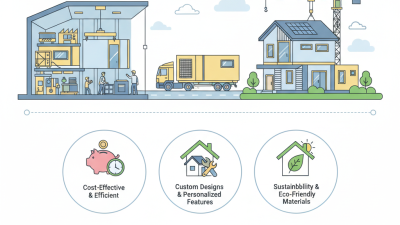
As the demand for sustainable living grows, affordable prefab homes are emerging as a viable solution. In 2022, the prefab housing market was valued at approximately $12 billion. This figure is expected to climb significantly in the coming years, reflecting a shift toward eco-friendly housing options. Affordable prefab homes offer an efficient way to reduce construction costs while minimizing environmental impact.
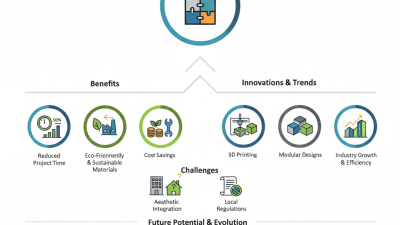
Industry experts emphasize the benefits of prefab homes. They are often built using sustainable materials and energy-efficient technologies. Reports indicate that prefabricated houses can reduce carbon emissions during construction by up to 60%. Yet, challenges remain. Limited designs and zoning regulations can hinder broader adoption. Buyers must consider factors like site preparation and potential additional costs.
In 2026, the focus will likely intensify on affordability and sustainability. The challenge will be balancing cost with quality. Developers will need to innovate while addressing buyer preferences for customization. Ultimately, affordable prefab homes present an exciting opportunity for those looking to invest in sustainable living solutions.
Overview of Prefab Homes and Their Importance in Sustainable Living
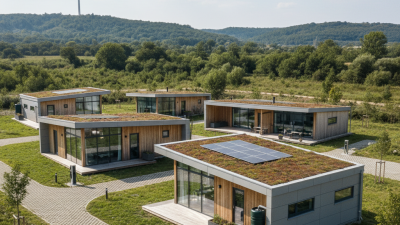
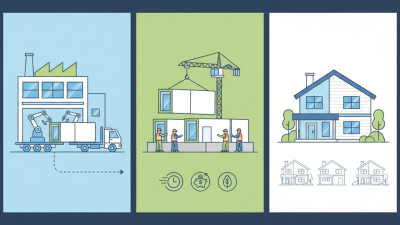
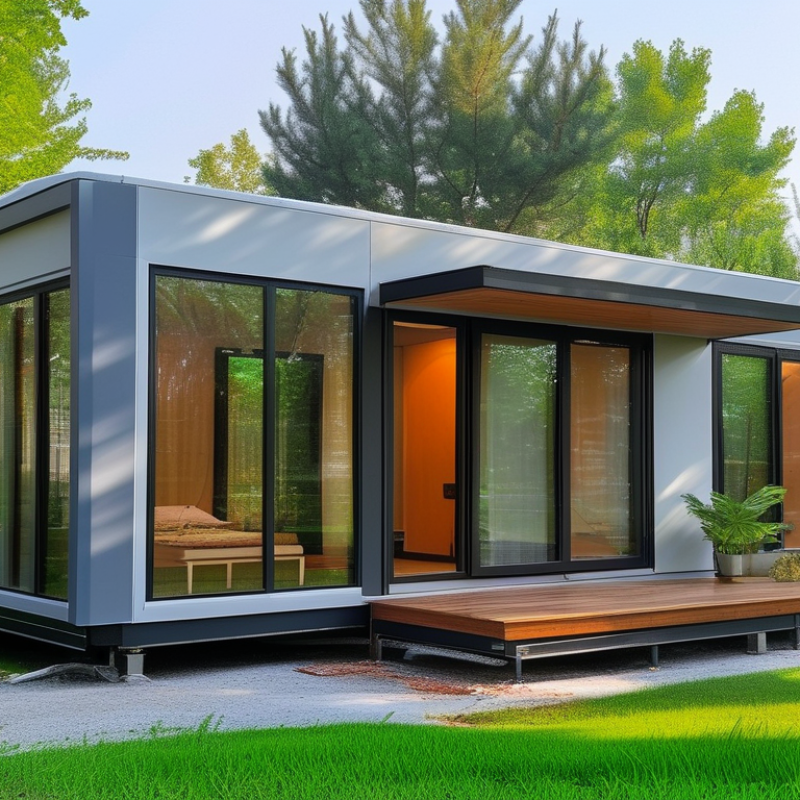
Prefab homes have gained attention for their role in sustainable living. These homes are factory-built, minimizing waste during construction. They often use eco-friendly materials, which reduce their carbon footprint. The design flexibility allows for energy-efficient features like solar panels and green roofs. This type of housing can adapt to various environments while promoting sustainability.
Living in a prefab home offers several benefits. They can be constructed quickly, cutting down on labor costs. However, not all prefab homes are created equal. Some models may lack quality or design integrity. Potential buyers should do thorough research. It’s essential to consider the environmental impact of the materials used. A well-thought-out design will enhance energy efficiency.
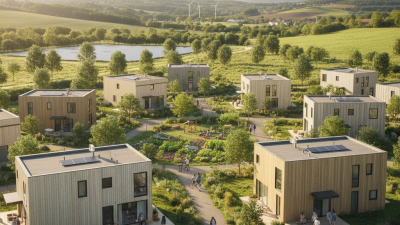
Prefab homes also foster community. They can be designed in clusters, promoting social interaction. Yet, they may face zoning regulations and space limitations. Critics argue that these homes can sometimes feel uniform. This raises questions about individuality and architectural diversity. Future developments should seek to balance sustainability with unique designs.
Key Features of Affordable Prefab Homes for Eco-Friendly Lifestyles
Affordable prefab homes are gaining popularity for eco-friendly living. They boast many features that cater to sustainability, making them attractive options for conscious buyers. According to the National Association of Home Builders, prefab homes can reduce construction waste by up to 70%. This efficiency is crucial in minimizing the environmental impact of new housing developments.
One of the key features of these homes is their energy efficiency. Many prefab designs incorporate advanced insulation materials, which can lower heating and cooling costs. Energy Star-rated appliances are often included, promoting lower energy consumption. A report from the U.S. Department of Energy shows that energy-efficient homes can save homeowners an average of $200 per year. However, potential buyers should be wary of the initial investment. While less expensive in the long term, upfront costs can be higher than traditional construction.
Water conservation features are also common in affordable prefab homes. Rainwater harvesting systems and low-flow fixtures can significantly reduce water usage. Despite the advantages, these systems may require maintenance and proper installation to function efficiently. Overall, exploring the features of affordable prefab homes reveals a promising future for sustainable living, albeit with challenges to consider.
Top Affordable Prefab Home Models for 2026: A Comparative Analysis
In 2026, the market for affordable prefab homes is set to explode. A recent industry report indicates a 30% increase in demand for sustainable housing. Prefab homes offer efficient construction and lower costs, appealing to eco-conscious buyers. Many models now feature energy-efficient designs, including solar panels and high-performance insulation.
When comparing models, consider the materials used in construction. Wood, steel, and recycled products can vary in sustainability. Data shows that homes built with recycled materials reduce waste by up to 60%. These materials not only help the environment but also often come with lower maintenance costs.
**Tips:** Look for designs that maximize natural light. This can significantly lower energy costs. Pay attention to location—some regions offer incentives for sustainable building. A cautious approach ensures you make informed decisions, balancing affordability with quality and eco-friendliness.
2026 Best Affordable Prefab Homes for Sustainable Living
This chart compares the estimated cost (in thousands) and energy efficiency ratings of various affordable prefab home models projected for 2026. The data reflects a growing trend towards sustainability in housing.
Sustainable Materials and Technology Used in Prefab Home Construction
The construction of prefab homes has gained popularity due to its emphasis on sustainability. These homes often utilize eco-friendly materials such as reclaimed wood and recycled metal. This choice minimizes waste and reduces the carbon footprint associated with traditional building methods. In addition, modern technology plays a crucial role in enhancing energy efficiency. Advanced insulation techniques and solar panel installations are common features in these homes, promoting long-term sustainability.
Another significant aspect is the design flexibility that prefab homes offer. Architects can use sustainable materials creatively, allowing for unique architectural styles that blend with natural surroundings. However, there are challenges. Some prefab homes may lack local flavor or character due to mass production. This uniformity raises questions about individuality and community identity. It is essential for designers to balance sustainability with local cultural elements to create truly unique living spaces.
While the focus on sustainability is commendable, builders must also consider the long-term durability of materials. Using low-quality eco-friendly materials may lead to maintenance issues down the road. This can result in a higher overall environmental impact. Thus, careful selection of sustainable materials and innovative building techniques is crucial for achieving the ideal balance between affordability and eco-friendliness in prefab homes.
Financing Options and Incentives for Affordable Sustainable Homes
Financing options play a significant role in making sustainable living accessible. Many people dream of owning a home that is eco-friendly and cost-effective. However, the initial investment can feel daunting. Fortunately, various financing options exist to ease this burden. Government incentives, grants, and low-interest loans can help potential homeowners. These are designed to promote the use of sustainable materials and energy-efficient designs.
The key to affordable prefab homes lies in understanding these benefits. For example, some regions offer tax credits for energy-saving installations, reducing long-term costs. These incentives make it easier to invest in green technologies. Potential homeowners should also explore programs tailored to first-time buyers. Knowing where to look is essential.
Yet, not all programs may meet individual needs. It's crucial to research and gauge what truly works for you. Sometimes, the options can feel overwhelming. Diverse choices can lead to confusion rather than clarity. Therefore, balancing the pros and cons of each financing strategy is vital. Owning an affordable, sustainable home is a journey filled with decisions and learning opportunities.