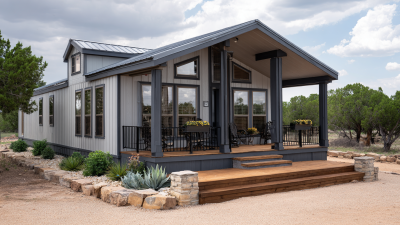
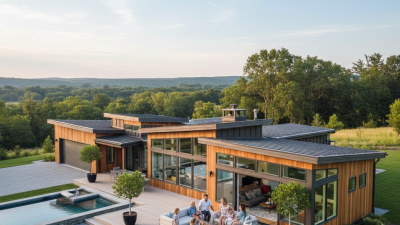
10 Best Prefab Modular Buildings for Sustainable Living in 2023
As the world increasingly shifts toward more sustainable living practices, the relevance of prefab modular buildings has never been more pronounced. These innovative structures are not only designed for efficiency but also prioritize minimizing environmental impact. In 2023, the growing emphasis on eco-friendly solutions has propelled prefab modular buildings into the spotlight, offering an attractive alternative to traditional construction methods. With advancements in design, energy efficiency, and material sustainability, these buildings represent a harmonious blend of modern architecture and environmental stewardship.
In this exploration of the top ten prefab modular buildings ideal for sustainable living, we will delve into the features that make them stand out. From their ability to reduce construction waste to lower energy consumption rates, these buildings exemplify how thoughtful design can contribute to a greener planet. Furthermore, the flexibility and adaptability of prefab modular buildings suit various lifestyles and needs, making them a practical choice for individuals and families seeking a sustainable future. Join us as we highlight the most remarkable prefab modular buildings that champion sustainability while redefining contemporary living.
Overview of Prefab Modular Buildings and Their Benefits
Prefab modular buildings have gained significant attention in recent years, especially for those seeking sustainable living solutions. Unlike traditional construction methods, prefab buildings are made off-site in a controlled environment and then transported to their final location. This process not only reduces waste and minimizes disruption to the site but also allows for greater design flexibility and quicker assembly. As a result, homeowners can enjoy eco-friendly living spaces without the lengthy timelines typically associated with conventional building projects.
One of the most compelling benefits of prefab modular buildings is their energy efficiency. Many designs incorporate sustainable materials and advanced technologies that enhance insulation and reduce energy consumption. This results in lower utility costs and a decreased carbon footprint. Additionally, these structures can often be equipped with renewable energy systems, such as solar panels, further promoting a sustainable lifestyle. Furthermore, prefab buildings can be customized to meet various personal and environmental needs, making them a versatile choice for individuals and families looking to embrace a greener future.
10 Best Prefab Modular Buildings for Sustainable Living in 2023
| Model |
Size (sq ft) |
Material |
Energy Efficiency Rating |
Estimated Cost ($) |
Features |
| EcoHome 1 |
900 |
Wood |
A+ |
150,000 |
Green roof, solar panels |
| Sustainable Stay |
1200 |
Steel |
A |
200,000 |
Rainwater collection, energy-efficient windows |
| Nature's Nest |
850 |
Bamboo |
A++ |
130,000 |
Biodegradable materials, natural insulation |
| Minimalist Retreat |
700 |
Recycled materials |
B+ |
90,000 |
Compact design, energy-efficient appliances |
| Comfort Cabin |
1000 |
Wood/Metal hybrid |
A |
175,000 |
Insulated walls, smart home tech |
| Green Living Space |
1300 |
Eco-friendly composites |
A++ |
210,000 |
Solar energy, greywater recycling |
| Modular Urban Pod |
500 |
Concrete |
B |
80,000 |
Urban oriented, small footprint |
| Rural Eco Home |
1400 |
Timber |
A+ |
225,000 |
Wide spaces, natural light, off-grid options |
| Haven House |
1100 |
Recycled steel |
A++ |
190,000 |
Innovative design, high insulation standards |
Key Features of Sustainable Living in Prefab Designs
Sustainable living is at the forefront of modern architecture, particularly in the realm of prefab modular buildings. These structures emphasize energy efficiency, utilizing materials that minimize environmental impact while maximizing comfort. One key feature of sustainable prefab designs is their ability to optimize energy consumption through advanced insulation techniques and energy-efficient windows, which significantly reduce the need for heating and cooling. By harnessing renewable energy sources, such as solar panels, these buildings can achieve net-zero energy usage, highlighting their commitment to ecological responsibility.
Moreover, sustainable prefab modular buildings often incorporate water conservation systems and sustainable materials, such as recycled steel or reclaimed wood, in their construction. This not only reduces waste but also promotes a healthier indoor environment. Smart home technology is often integrated into these designs, allowing for real-time monitoring and management of energy and water usage, which empowers residents to make informed decisions about their consumption. Ultimately, these features not only contribute to a lower carbon footprint but also enhance the quality of life for occupants, making sustainable living both practical and desirable.
Top 10 Prefab Modular Buildings for Eco-Friendly Living in 2023
Sustainable living has gained significant traction in recent years, and prefab modular buildings are at the forefront of this movement. These structures not only minimize environmental impact during construction but also offer incredible flexibility in design and functionality. As people increasingly seek eco-friendly homes, many innovative designs have emerged, showcasing the harmony between modern architecture and sustainable practices. From energy-efficient materials to water-saving systems, these modular homes provide a viable solution for environmentally-conscious living.
Tips for choosing a prefab modular building include prioritizing energy efficiency features such as solar panels and proper insulation. Look for designs that incorporate sustainable materials, like reclaimed wood or recycled components, to further enhance your home's eco-friendliness. Additionally, consider the location of the building; placing your home in a way that maximizes natural light and reduces heating costs can significantly improve energy conservation.
Another critical aspect is the integration of green technologies. Seek out modular buildings that offer options for rainwater harvesting and greywater recycling systems. These features not only reduce water consumption but also contribute to a more sustainable lifestyle. As the market for prefab homes continues to evolve, exploring these eco-friendly options can lead to a comfortable and responsible living environment.
Comparative Analysis of Features and Prices of Selected Models
When evaluating prefab modular buildings for sustainable living, the features and price points of various models play a crucial role in determining the best option for future homeowners. A variety of designs now focus on eco-conscious fundamentals, encompassing energy efficiency, sustainable materials, and innovative space utilization. Many models feature solar panels, rainwater harvesting systems, and high-insulation materials to reduce their ecological footprint. Moreover, flexible floor plans and adaptable units cater to a range of lifestyles, making these buildings a viable choice for urban and rural settings alike.
In terms of pricing, the range can vary significantly based on design complexity, size, and the materials used. Basic models may offer affordability for those on a budget, while more elaborate constructions with advanced environmental technologies can command a premium. Additionally, potential buyers should consider installation costs, which may fluctuate based on location and site preparation requirements. Ultimately, a comprehensive comparative analysis of features and prices allows prospective owners to make informed decisions, matching their sustainable living aspirations with the financial means available.
Comparative Analysis of Prefab Modular Buildings for Sustainable Living in 2023
This chart illustrates the comparison of various prefab modular buildings based on their features and prices, emphasizing sustainability metrics such as energy efficiency, materials used, and overall cost.
Future Trends in Prefab Modular Construction for Sustainable Development
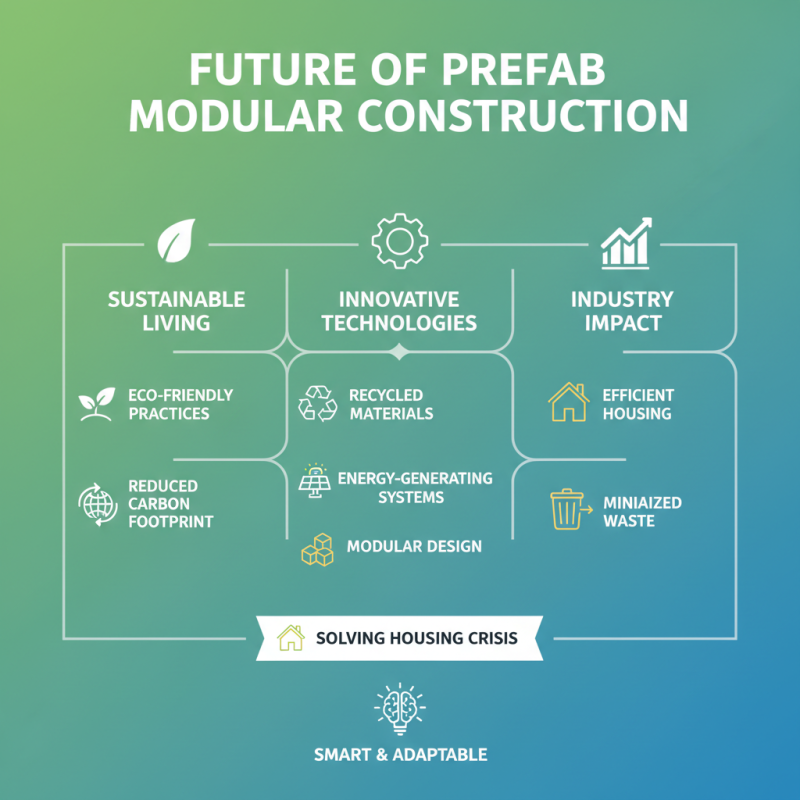
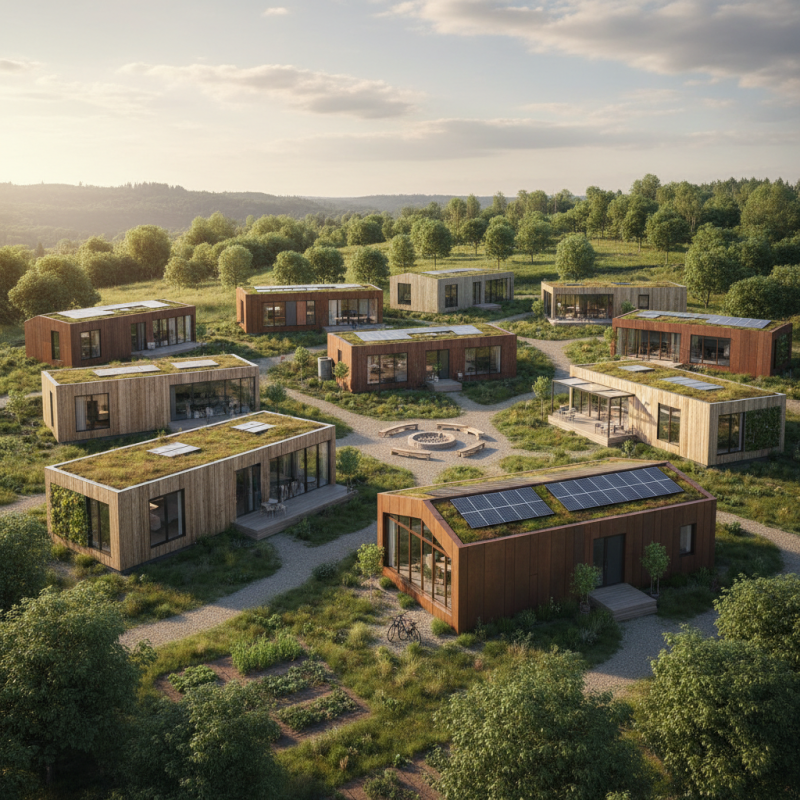
The future of prefab modular construction is poised to revolutionize sustainable living through the integration of innovative technologies and eco-friendly practices. As the demand for efficient and environmentally responsible housing grows, the industry is exploring advances in materials and design methods that minimize waste and maximize energy efficiency. Emerging trends include the use of recycled materials, energy-generating systems such as solar panels, and modular designs that allow for easy expansion or reconfiguration. These advancements not only address the growing housing crisis but also significantly reduce the carbon footprint associated with traditional construction methods.
Additionally, the trend towards smart technology integration within prefab modular buildings offers a new level of sustainability. Homes equipped with smart energy management systems, advanced insulation technologies, and water conservation systems can significantly lower utility costs and enhance residents' quality of life. As urban centers become more populated, modular construction methods are becoming an increasingly attractive solution for sustainable development. They not only allow for rapid deployment and scalability but also encourage community-oriented designs where multiple units can be assembled in harmony with their surroundings. This shift towards sustainable prefab solutions marks a significant step forward in construction, signaling a commitment to a greener, more sustainable future.