Best Built Prefab Solutions for Global Buyers What to Know?
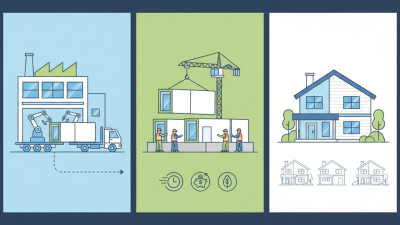
The market for built prefab solutions is rapidly expanding. These structures offer numerous advantages, especially for global buyers. They are cost-effective and quick to assemble. Yet, the journey to selecting the right prefab solution can be daunting.
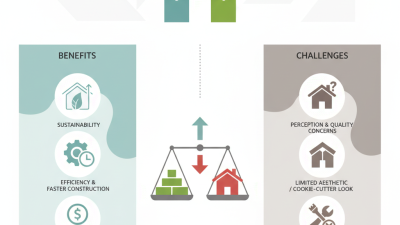
Potential buyers should consider various factors before making a decision. Quality should be a top concern. Not all built prefab options are created equal. Understanding local regulations is crucial, as restrictions vary widely. Buyers should also evaluate the supplier's reputation. Poor-quality solutions may lead to costly mistakes.
Customization options can be appealing, but buyers should be cautious. Not every design meets practical needs. Visualizing the final product helps in making informed decisions. Ultimately, it is about balance. The goal is to find the perfect blend of aesthetics and functionality. Exploring reviews and gaining insights from previous buyers can provide valuable perspectives.
Best Built Prefab Solutions: Global Trends and Market Insights
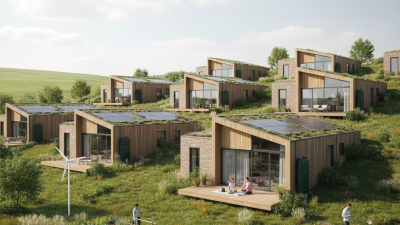
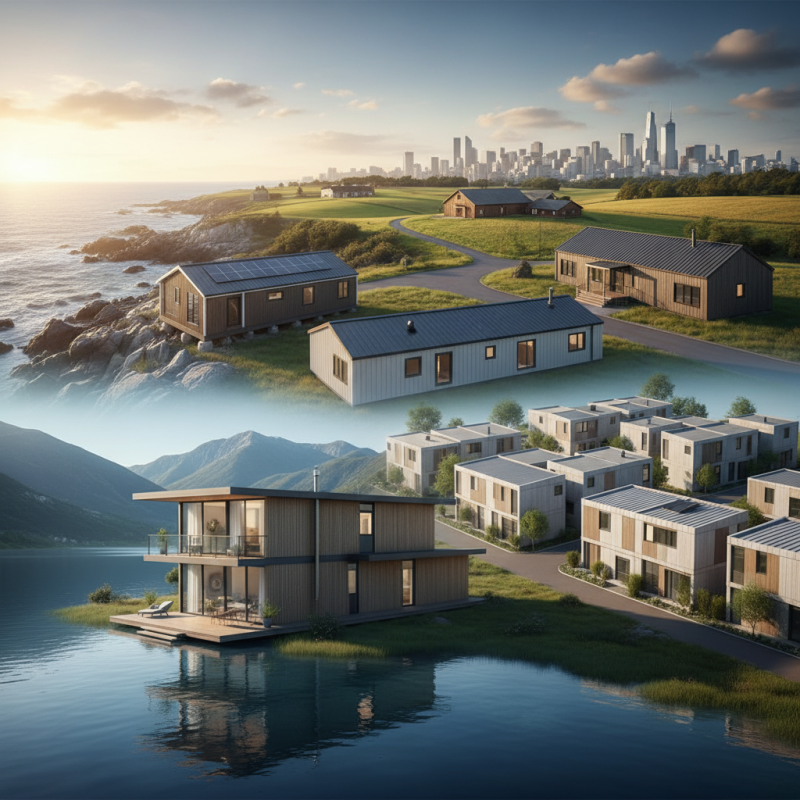
The prefab housing market is rapidly evolving. As global buyers seek efficient solutions, innovative designs become essential. Key trends show a move towards sustainable materials and smart technology integration. Many manufacturers focus on reducing carbon footprints. Buyers increasingly demand homes that not only look good but also work well with their environment.
Global interest in prefab solutions is rising. Market insights reveal a strong preference for modular designs. These designs often allow for quick assembly. However, challenges remain, such as zoning laws and regulations that vary widely by region. It's important for buyers to understand their local requirements. Not all prefab models fit seamlessly into every location.
Customer expectations are changing too. Buyers want more than just a place to live; they seek community integration. Prefab designs sometimes struggle to fit into traditional neighborhoods. This mismatch can create tension. Therefore, collaboration with local governments and communities is vital. Engaging locals can help tailor designs to meet specific needs and desires.
Best Built Prefab Solutions for Global Buyers
| Market Region |
Prefab Type |
Annual Growth Rate (%) |
Key Features |
| North America |
Modular Homes |
8.5 |
Sustainable, Customizable |
| Europe |
Eco-Friendly Units |
7.2 |
Energy-efficient, Quick Assembly |
| Asia-Pacific |
Prefabricated Apartments |
9.1 |
Affordable, High Density |
| Latin America |
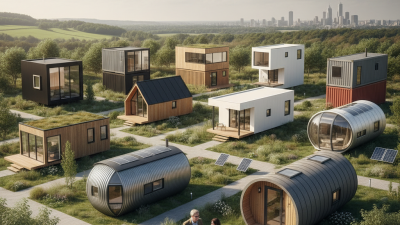
Container Homes |
6.8 |
Recyclable, Mobile |
| Middle East |
Luxury Modular Villas |
10.3 |
High-end finishes, Smart Homes |
Key Factors Influencing Prefab Construction Demand Worldwide
The demand for prefab construction is influenced by several key factors around the globe. Notably, a report by Smith Research indicated that modular building solutions are expected to grow by over 70% in the next five years. This surge is largely driven by the need for faster construction times and cost-effective methods. In many regions, traditional building methods are being outpaced by the efficiency of prefab approaches.
Additionally, urbanization plays a critical role in this trend. According to a study by Global Insights, approximately 55% of the world’s population now lives in urban areas. This shift creates a pressing need for affordable housing. Prefab construction offers solutions that can meet these needs swiftly and effectively. However, challenges remain. For example, supply chain issues can delay production, impacting project timelines.
Environmental considerations also affect demand. A report from Eco-Build states that sustainable materials are increasingly being favored in construction. Yet, not all prefab solutions are eco-friendly, prompting a need for improved practices. The industry must balance speed, cost, and sustainability to truly capitalize on its potential.
Global Prefab Construction Demand Factors
Innovative Technologies Shaping the Prefab Building Industry
The prefab building industry is evolving rapidly, driven by innovative technologies. In 2023, the global modular construction market was valued at approximately $80 billion. This reflects a strong growth potential. Emerging technologies like 3D printing and modular construction are revolutionizing how structures are designed and built. These innovations can reduce construction time by up to 30%.
BIM, or Building Information Modeling, enhances collaboration among stakeholders. It also allows for detailed visualization before construction begins. A report from McKinsey indicates that using digital technologies in construction can improve productivity by nearly 15%. Despite these advancements, challenges remain. Issues with standardization and project integration still abound.
Sustainability is another area that demands attention. While prefab solutions often reduce waste, not all materials used are eco-friendly. Reports suggest that improper material sourcing can lead to a higher carbon footprint. Buyers must be cautious. They should ensure that sustainable practices are in place. The drive for innovation must also align with responsible environmental actions.
Analyzing Cost-Effectiveness of Prefabricated Structures Globally
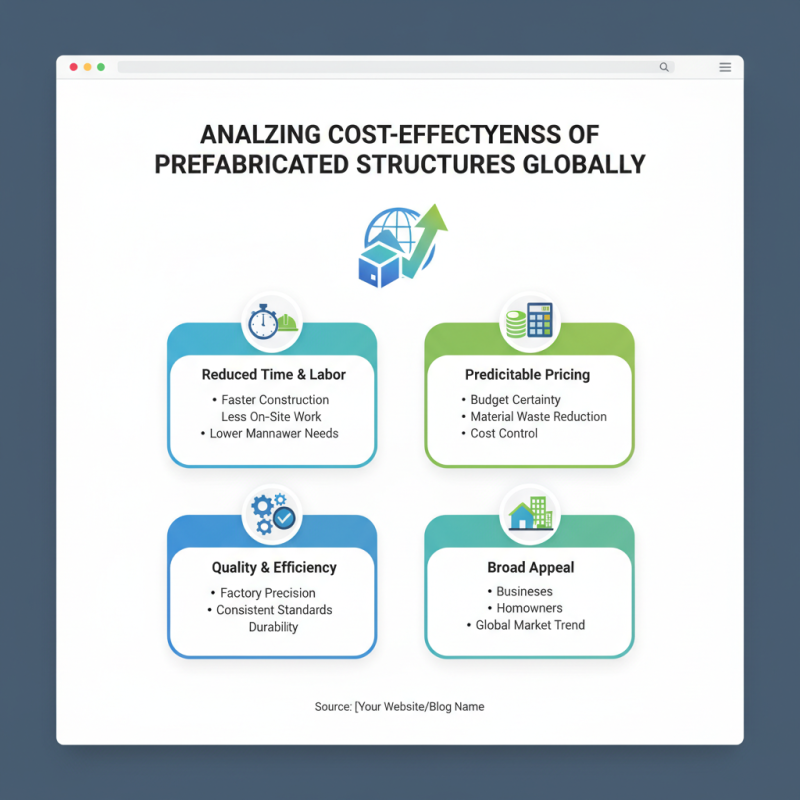
The rise of prefabricated structures has transformed the global construction landscape. Many buyers seek cost-effective solutions without compromising quality. Prefab buildings often reduce construction time and labor costs. They come with predictable pricing, which attracts both businesses and individual buyers.
Analyzing the cost-effectiveness of prefabricated constructions reveals both benefits and challenges. While initial costs may seem high, long-term savings can be significant. Maintenance and energy efficiency in prefab buildings are often superior. However, buyers should be cautious. Local regulations and installation costs can vary widely. This variability may affect total expenses and timelines.
It's important to consider infrastructure needs and site conditions when selecting prefab solutions. Not all designs suit every location. Some regions may face delivery challenges, impacting project schedules. Evaluating potential drawbacks ensures informed decisions. Prefabricated solutions present an exciting opportunity, but buyers must thoroughly assess their specific context to achieve optimal results.