How to Choose Prefab Units for Home Construction: A Complete Guide
The decision to build a home is one of the most significant choices one can make, and with the rise of modern construction techniques, prefab units have emerged as a compelling alternative to traditional building methods. According to industry expert John Thompson, founder of EcoPrefab Innovations, "Prefab units not only streamline the construction process but also offer sustainable solutions that cater to diverse architectural needs." This insight highlights the growing popularity of prefab units, which are designed to be efficient, cost-effective, and environmentally friendly.
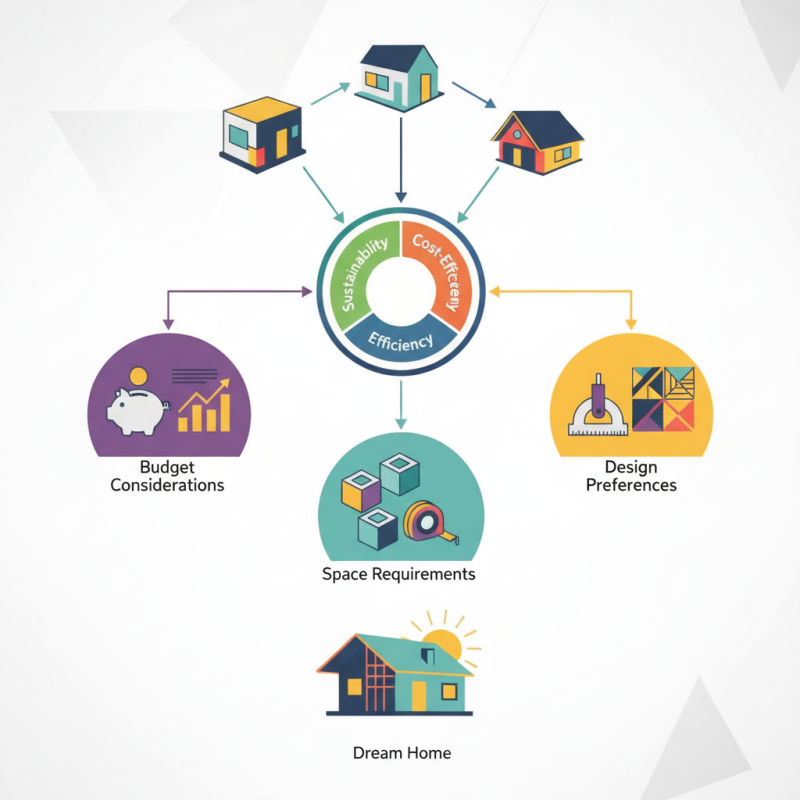
As more homeowners consider prefab units for their construction projects, it's essential to understand the key factors involved in selecting the right units for your specific needs. With various designs, materials, and configurations available, navigating this landscape can be daunting. Homeowners must ask themselves critical questions regarding budget, space requirements, and design preferences to ensure that they choose the best prefab solutions.
In this complete guide, we will delve into the intricacies of selecting the perfect prefab units for home construction. We'll explore the advantages of prefab units, insights from industry professionals, and tips to make informed choices, ensuring that your journey toward building your dream home is both enjoyable and rewarding.
Understanding Prefab Units: Key Concepts and Benefits
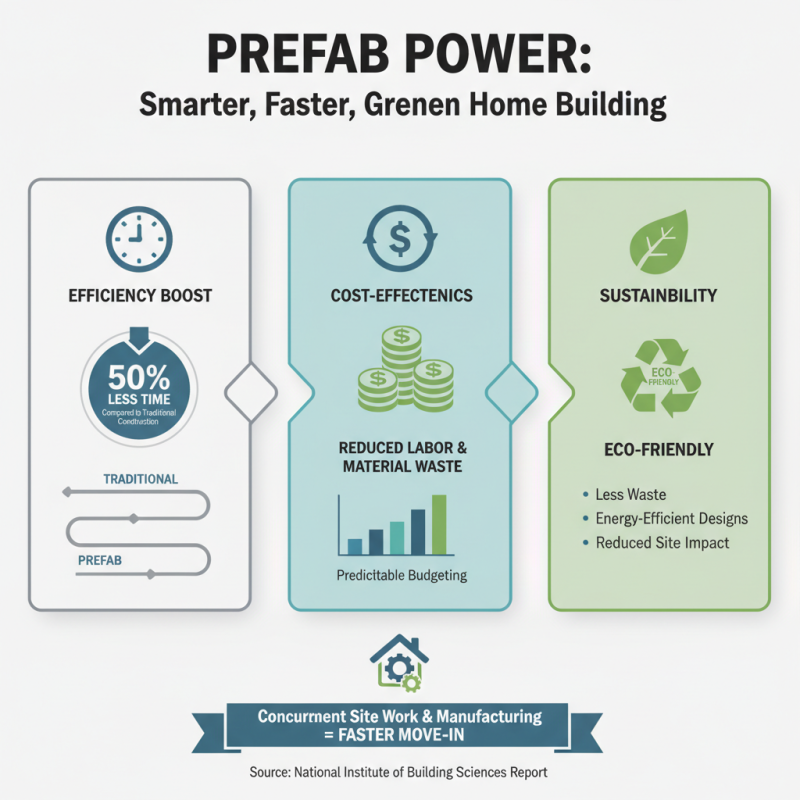
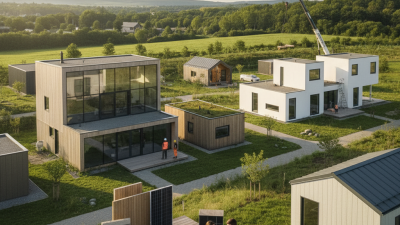
Prefab units, or prefabricated units, are revolutionizing the home construction industry by offering a blend of efficiency, cost-effectiveness, and sustainability. According to a report by the National Institute of Building Sciences, the use of prefab technology can reduce construction time by up to 50% compared to traditional methods. This acceleration is primarily due to the simultaneous manufacturing of components off-site while site preparation occurs, enabling homeowners to move into their new spaces more quickly.
Moreover, prefab units are designed with environmental considerations in mind. The Modular Building Institute found that modular construction can lead to a reduction in waste by 60-90% as materials are pre-cut and engineered for precision. This not only minimizes the ecological footprint but also lowers project costs, with estimates suggesting a potential savings of 10% to 20% in overall build expenses. As the demand for housing grows, embracing prefab units not only addresses this need but also aligns with sustainable building practices, making them an appealing choice for modern homebuyers.
Assessing Your Home Construction Needs and Requirements
When considering prefab units for home construction, the first step is to assess your specific needs and requirements. A comprehensive understanding of your space, design preferences, and lifestyle is crucial. According to data from the Modular Building Institute, modular construction can reduce building time by up to 50% compared to traditional methods, making it an appealing option for many homeowners. This efficiency can be particularly beneficial for those with tight project timelines or budget constraints.
Additionally, it’s essential to think about the environmental impact of your choice. A report by McGraw Hill Construction indicates that 56% of construction firms are now prioritizing sustainability in their projects. Prefab units often come with energy-efficient features and sustainable building materials, aligning with growing consumer demand for eco-friendly housing solutions. By clearly defining your home's functional requirements and long-term goals, you can make informed decisions that ensure your prefab construction project not only meets your aesthetic desires but also aligns with broader environmental considerations.
Comparing Different Types of Prefab Units: A Comprehensive Overview
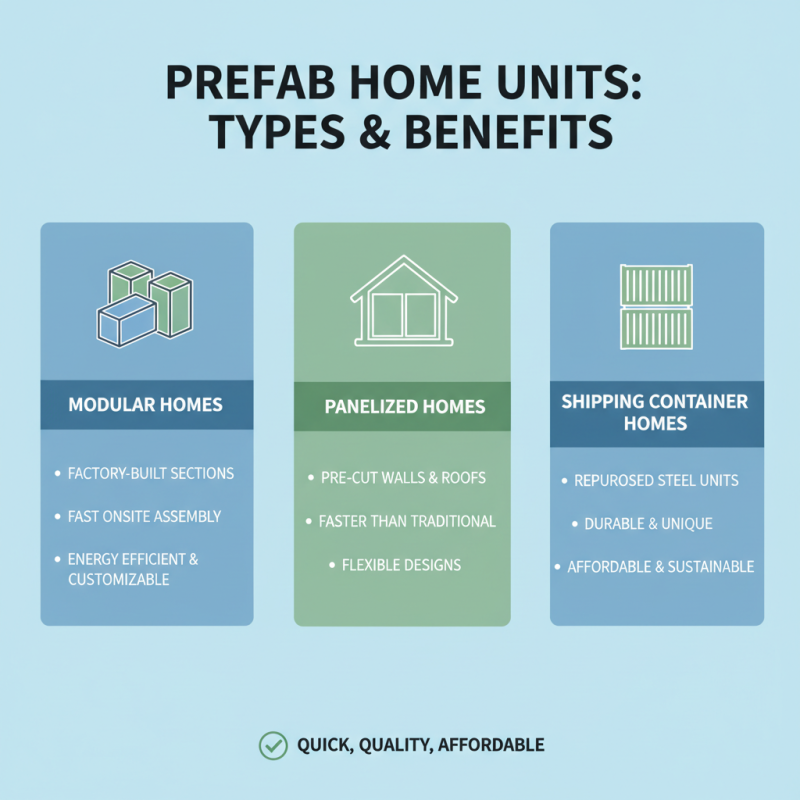
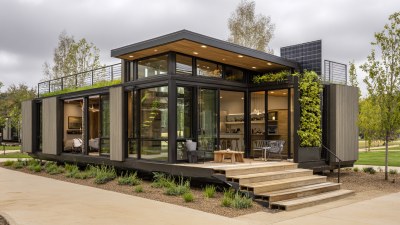
When considering prefab units for home construction, it's essential to understand the various types available and their unique advantages. One common type is modular homes, built in sections in a factory environment and then transported to the site for quick assembly. These units often boast enhanced energy efficiency and can be customized to suit individual tastes, providing a harmonious blend of affordability and personalization. They are particularly advantageous for those looking to reduce the construction timeline while ensuring quality craftsmanship.
Another option includes panelized homes, which consist of pre-cut panels that are assembled on-site. This method allows for increased design flexibility and can cater to complex architectural designs. With panelized units, builders may also benefit from reduced waste during construction, making this an eco-friendly choice. Lastly, manufactured homes, built entirely in a factory, meet specific building codes and can be an economical solution for various housing needs. By comparing these different types of prefab units, prospective homeowners can make informed decisions that align with their budget, design preferences, and construction timelines.
Evaluating Budget and Cost Considerations for Prefab Homes
When evaluating budget and cost considerations for prefab homes, it is essential to start with a clear understanding of your financial parameters. Prefab units can vary significantly in price depending on the materials used, design complexity, and additional features. Therefore, it is crucial to establish a budget that not only covers the base price of the prefab units but also accounts for site preparation, transportation, and installation costs. Creating a detailed list of all potential expenses will help ensure there are no surprises during the construction process.
Another important factor to consider is the potential for long-term savings associated with prefab homes. Many prefab units are designed with energy efficiency in mind, which can lead to lower utility bills and decreased costs over time. It's also wise to consider any financing options available specifically for prefab construction, as these can affect your overall budget. By thoroughly evaluating these budgetary aspects, buyers can make informed decisions that align their financial capabilities with their dream of owning a prefab home.
Cost Comparison of Different Types of Prefab Homes
Choosing the Right Supplier: What to Look For and Questions to Ask
When selecting a supplier for prefab units in home construction, it is crucial to assess their experience and reputation in the industry. Begin by researching their history, focusing on the number of projects completed and client testimonials. Reliable suppliers should have a portfolio that showcases a variety of designs and successful builds. Don’t hesitate to request references from previous clients to gain insights into their professionalism, adherence to deadlines, and quality of workmanship.
In addition to evaluating reputation, prepare a list of questions to ask potential suppliers. Inquire about the materials they use, their manufacturing processes, and what sustainable options they offer. Understanding their customization capabilities is also important, as this will impact how well the units will meet your specific needs. Furthermore, clarify the warranty and after-sales support they provide, as this can significantly affect the long-term value of your investment. Engaging with suppliers through these queries will help ensure that you choose a partner that aligns with your vision and standards for your home construction project.
How to Choose Prefab Units for Home Construction: A Complete Guide - Choosing the Right Supplier: What to Look For and Questions to Ask
| Criteria |
Details |
| Experience |
Years in the prefab construction industry |
| Portfolio Quality |
Past projects showcasing design quality |
| Customer Reviews |
Feedback and ratings from previous clients |
| Customization Options |
Flexibility in design changes and materials |
| Warranty and Support |
Length and coverage of warranties offered |
| Delivery Time |
Estimated time to complete the project |
| Pricing Structure |
Transparency in costs and additional fees |
| Green Building Options |
Sustainable practices and materials used |
| Questions to Ask |
Prepared questions to assess supplier suitability |