How to Choose the Best Prefabricated Homes for Your Needs in 2023
In recent years, the demand for pre fabricated homes has surged as more individuals seek innovative, sustainable, and cost-effective housing solutions. As we navigate the complexities of 2023, choosing the right pre fabricated home has become a pivotal decision for many. Industry expert Dr. Emily Carter, a prominent architect and sustainability advocate, emphasizes the significance of thoughtful selection: "Choosing a pre fabricated home is not just about the design; it's about creating a sustainable lifestyle that aligns with your values and needs."
When considering the best pre fabricated home for your unique requirements, multiple factors come into play, including materials, customization options, and energy efficiency. The versatility of pre fabricated homes allows for a range of styles and functionalities, catering to diverse preferences and necessities. Hence, understanding what to prioritize can make a significant difference in achieving a fulfilling housing solution.
As we delve deeper into the intricacies of pre fabricated homes, it's crucial to explore how advancements in technology, architecture, and environmental consciousness shape the future of home building. This guide aims to equip you with the knowledge needed to make an informed choice that resonates with both your personal needs and broader societal impacts.
Understanding Prefabricated Homes: Types and Benefits
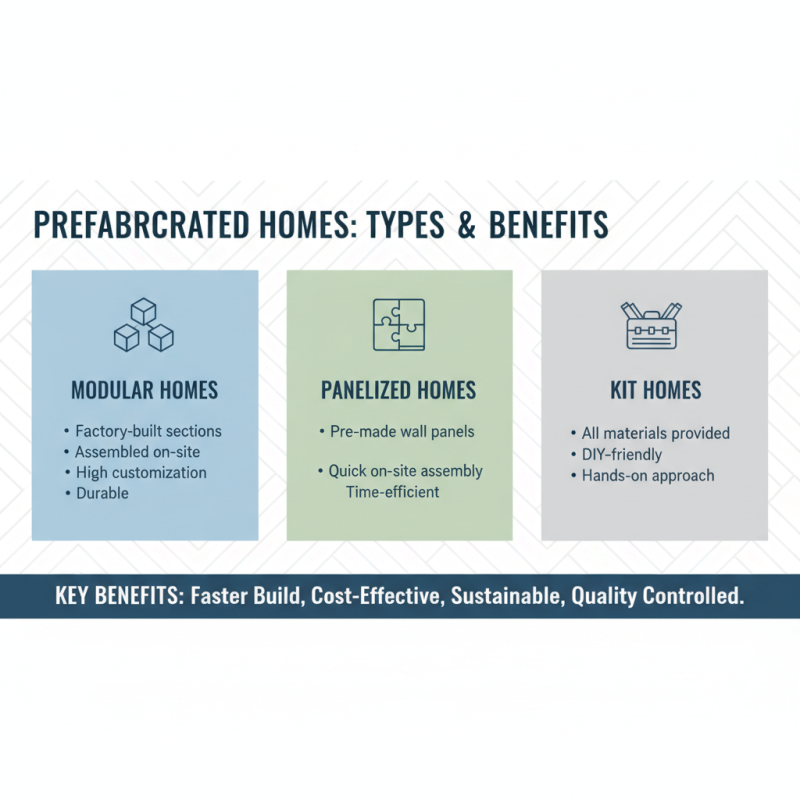
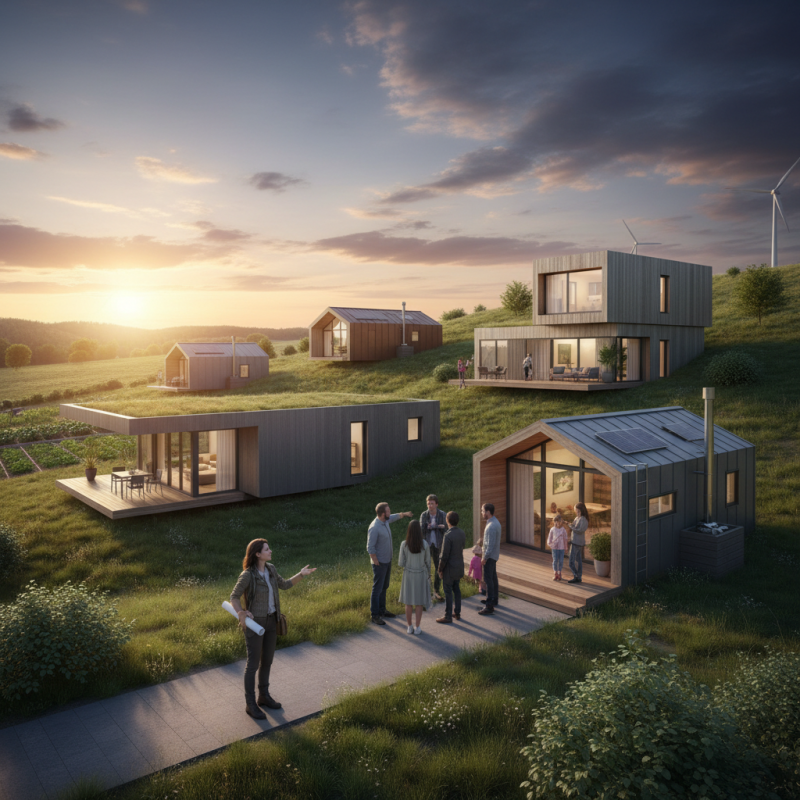
Prefabricated homes have gained popularity due to their unique construction processes and numerous benefits. Understanding the different types of prefabricated homes is crucial when selecting the right option for your needs. The primary categories include modular homes, panelized homes, and kit homes. Modular homes are built in sections at a factory and transported to the site for assembly, offering a high degree of customization and durability. Panelized homes come with pre-made panels that are quickly assembled on-site, making them a time-efficient choice. Kit homes provide all the materials needed for construction, allowing homeowners to take on a more hands-on approach.
Beyond the types, the benefits of prefabricated homes further enhance their appeal. One significant advantage is reduced construction time, allowing homeowners to move in sooner. Additionally, these homes often boast energy efficiency, as they are designed to minimize waste and optimize insulation. This not only lowers utility costs but also contributes to a more sustainable living environment. Furthermore, prefabricated homes typically offer cost savings compared to traditional construction methods, making them an attractive option for many buyers. Understanding these aspects will empower you to make informed decisions tailored to your individual needs and lifestyle.
Assessing Your Needs: Size, Style, and Functionality
When considering prefabricated homes, the first step is to assess your needs thoroughly.
Size is a crucial factor; it’s essential to evaluate how much living space you require. This involves considering the number of bedrooms and bathrooms, as well as additional spaces such as a home office or recreational area.
Make a list of your must-haves versus nice-to-haves to help narrow down your choices and ensure the layout will suit your lifestyle.
Style and functionality are equally important in your decision-making process.
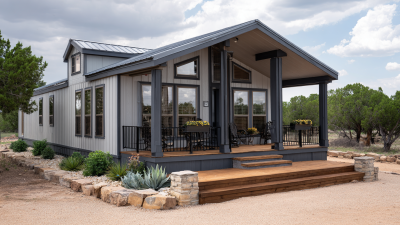
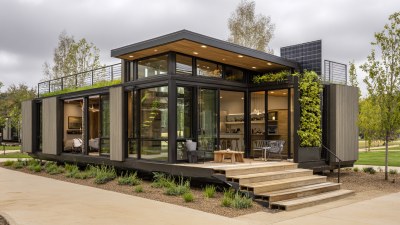
Prefabricated homes come in various designs, ranging from modern to traditional aesthetics.
Think about what resonates with you and will complement your living environment.
Additionally, consider how the home will function for your daily activities;
open floor plans can foster togetherness, while segmented spaces may offer privacy.
By balancing your preferences in size, style, and functionality, you can find a prefabricated home that genuinely meets your needs in 2023.
Evaluating Construction Materials and Environmental Impact
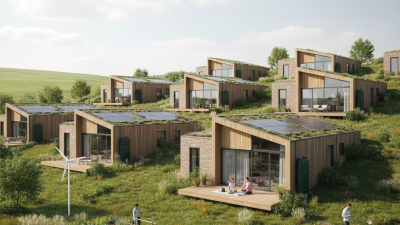
When choosing a prefabricated home in 2023, evaluating construction materials is essential for ensuring durability, efficiency, and comfort. Sustainable materials, such as bamboo, reclaimed wood, and recycled steel, are increasingly popular due to their minimal environmental impact.
These materials not only reduce waste but also contribute to lower energy costs in the long run. It's essential to consider how these materials interact with local climates and their performance in terms of insulation, resilience, and maintenance.
A well-informed choice will lead to a home that meets both personal needs and ecological standards.
Furthermore, assessing the environmental impact of prefabricated homes goes hand in hand with material selection. Homebuilders should prioritize manufacturers who implement eco-friendly practices, such as reducing carbon emissions during production and minimizing waste in transportation.
Additionally, checking for eco-certifications can help gauge a manufacturer’s commitment to sustainability. Consider the home’s energy efficiency ratings and the potential for integrating renewable energy sources, such as solar panels.
By focusing on both construction materials and their environmental implications, prospective homeowners can ensure their prefabricated home is a smart investment for the future.
Budgeting for Your Prefabricated Home: Costs and Financing Options
When budgeting for a prefabricated home, it's essential to consider not only the initial costs but also the long-term financial implications. The price of a prefabricated home can vary widely based on factors such as design complexity, size, and location. On average, prospective homeowners should expect to spend between $100,000 to $300,000, depending on their customizations and specifications. It's crucial to account for additional expenses, including land preparation, utility connections, and local permits, as these can significantly impact the final budget.
Financing options for prefabricated homes are becoming increasingly diverse, allowing for greater flexibility and accessibility. Traditional mortgage loans are available, but buyers might also explore specific programs tailored for manufactured homes, which often include lower down payment requirements. Additionally, personal loans and financing through the manufacturer might be viable avenues to consider. It's important to compare interest rates, terms, and overall loan conditions to find the best fit for your financial situation. Engaging with a financial advisor can provide valuable insights into managing payments and making the most of available financing opportunities.
How to Choose the Best Prefabricated Homes for Your Needs in 2023 - Budgeting for Your Prefabricated Home: Costs and Financing Options
| Home Type |
Average Cost ($) |
Size (sq ft) |
Estimated Time to Assemble (weeks) |
Financing Options |
| Single-Story Home |
150,000 |
1,200 |
6 |
Conventional Mortgage, FHA Loans |
| Two-Story Home |
250,000 |
2,000 |
8 |
Conventional Mortgage, VA Loans |
| Modular Cottage |
100,000 |
800 |
4 |
Personal Loans, Home Equity Line of Credit |
| Luxury Prefab |
500,000 |
3,000 |
12 |
Jumbo Loans, Corporate Financing |
| Eco-Friendly Home |
200,000 |
1,500 |
7 |
Green Loans, Energy Efficient Mortgages |
Choosing a Reputable Manufacturer: Research and Recommendations
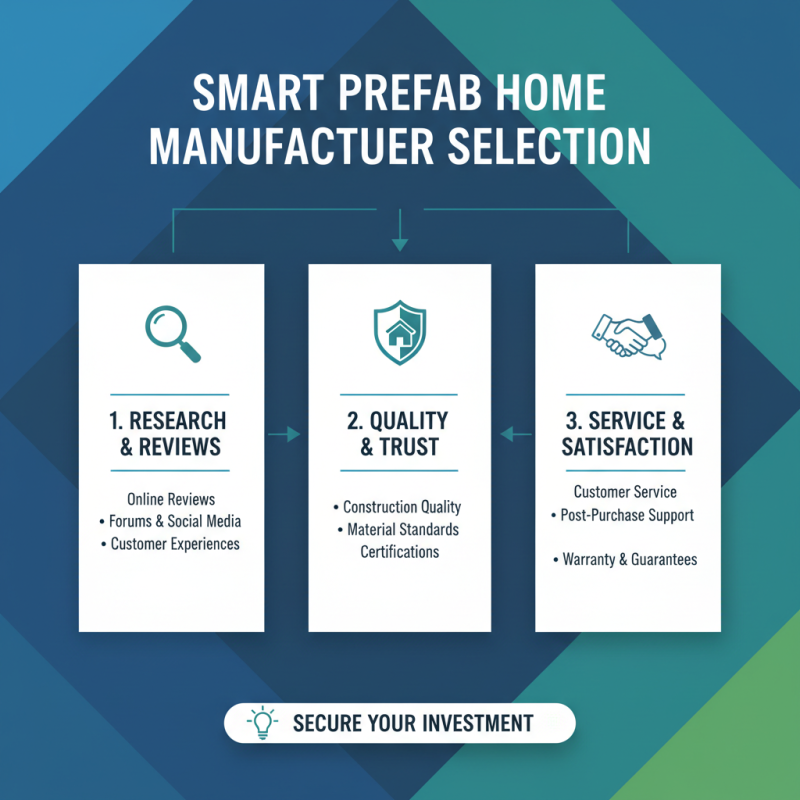
When selecting a prefabricated home, one of the most critical steps is to choose a reputable manufacturer. Extensive research is essential to ensure that your investment is secure and that the quality of the home meets your expectations. Start by exploring online reviews, forums, and social media platforms where previous buyers share their experiences. Pay special attention to feedback about the manufacturer’s customer service, the quality of construction, and the overall satisfaction post-purchase.
Additionally, asking for recommendations from friends, family, or local real estate professionals can provide valuable insights. Engaging with communities that focus on prefabricated homes can also be helpful, as they often have first-hand knowledge and can direct you to reliable manufacturers. Once you compile a list of potential manufacturers, schedule visits to their facilities or attend home shows where they exhibit their products. Seeing the homes firsthand and interacting with staff can further inform your decision and help you gauge the level of professionalism and support you can expect throughout the building process.