How to Choose Modern Modular Homes for Global Buyers?
In recent years, modern modular homes have gained significant popularity among global buyers. A report by the Modular Home Builders Association states that the market for these homes is projected to grow by 6.5% annually. This trend reflects a growing demand for efficient, sustainable housing solutions. Modern modular homes offer flexibility in design and construction, allowing buyers to customize their spaces.
However, selecting the right modular home can be challenging. Many factors influence this choice, such as materials, energy efficiency, and local regulations. For instance, homes built with high-quality, sustainable materials can reduce long-term costs. It's essential to consider energy-efficient options, as they can lead to significant savings. Yet, potential buyers often overlook these aspects, focusing too much on aesthetics.
Moreover, understanding the modular construction process is crucial. Some buyers may underestimate the timeline and logistics involved. While modular homes can be assembled quickly, proper planning is necessary. The decision-making process can benefit from thorough research and insights from industry experts. Balancing personal needs with practical considerations is vital in achieving a satisfactory purchase.
Understanding Modern Modular Homes: Key Features and Benefits
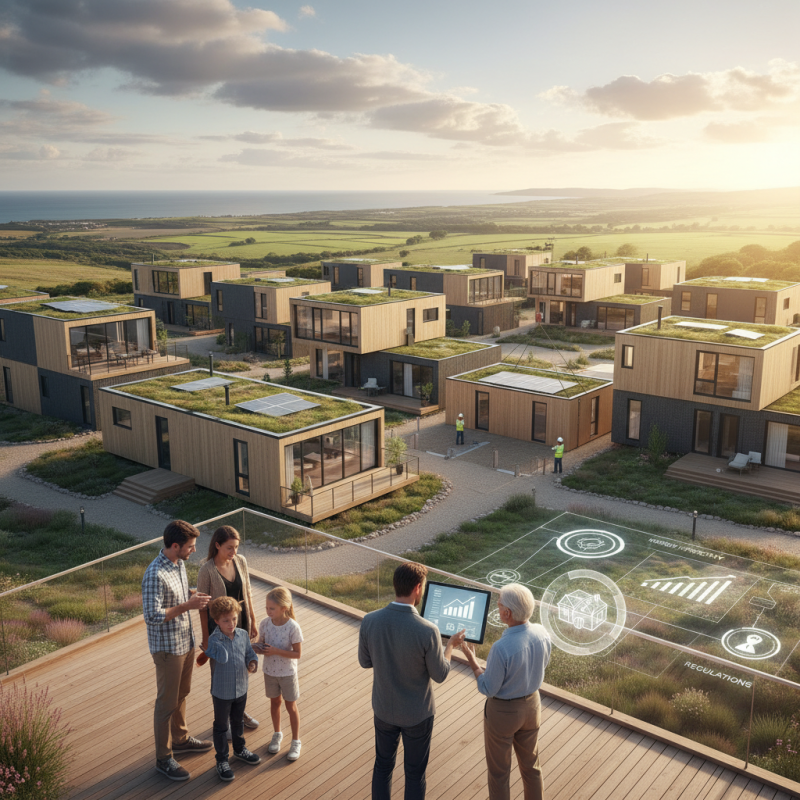
Modern modular homes are gaining popularity among global buyers for several reasons. They are designed with efficiency and sustainability in mind. Many feature eco-friendly materials and energy-saving technologies. This focus on sustainability reduces the carbon footprint, appealing to environmentally conscious homeowners. Flexible floor plans are also a significant aspect of these homes. Buyers can easily customize the layout to fit their lifestyle needs.
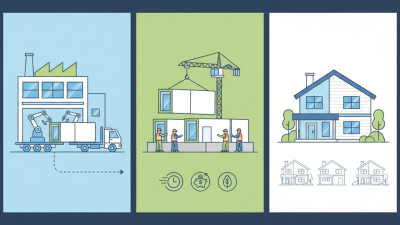
Another key benefit is the speed of construction. Modular homes are built in controlled factory settings. This process often leads to shorter build times compared to traditional construction. However, it’s essential to consider site preparation and local regulations, which can impact timelines. While these homes offer modern designs, some buyers may find it challenging to align their vision with available models.
Durability is a critical feature of modular homes. They must withstand transportation and assembly. This often results in robust construction standards. Yet, buyers should assess the quality of materials used. Cheaper components can lead to long-term issues. Understanding the trade-offs in cost, design, and quality is essential for making an informed decision.
How to Choose Modern Modular Homes for Global Buyers? - Understanding Modern Modular Homes: Key Features and Benefits
| Feature | Description | Benefits | Considerations |
|---|---|---|---|
| Energy Efficiency | Modern modular homes are designed with energy-efficient materials and systems. | Lower utility bills and reduced environmental impact. | Initial investment may be higher, but savings accumulate over time. |
| Customization | Buyers can choose layouts, finishes, and features according to their preferences. | Personalization to meet unique needs and tastes. | Customization options may extend construction timelines. |
| Speed of Construction | Modules are built in factories and assembled on-site, allowing faster completion. | Reduced overall construction time compared to traditional homes. | Weather conditions may still impact site assembly time. |
| Cost-Effectiveness | Modular homes generally cost less per square foot than traditional homes. | More affordable options available for buyers, increasing market accessibility. | Higher quality materials might raise overall costs; budget accordingly. |
| Sustainability | Built with sustainable materials and efficient waste management during production. | Lower carbon footprint and supporting eco-friendly practices. | Need to research suppliers to ensure sustainability claims. |
Identifying Your Needs: Factors to Consider in Modular Home Selection
Choosing a modern modular home can be overwhelming. Buyers must identify their needs first. Factors like budget, size, and style impact decisions significantly. Are you looking for a compact space or an expansive layout? Think about the number of rooms required. This will save time and streamline choices.
Consider energy efficiency as well. Sustainable features not only lower bills but also benefit the environment. Inspect how materials are sourced. Is the construction eco-friendly? Sometimes, the focus is too much on aesthetics. Remember, functionality matters too. Assess the layout flow. Can you navigate easily from room to room?
Lastly, don't overlook local building codes. Compliance is crucial for safety and investment. Research local builders and their reputations. Gather feedback and check credentials. Peer reviews often reveal strengths and weaknesses. Balancing desires with practical considerations can lead to better choices in modular homes.
Exploring Design Options: Styles and Customizations for Global Buyers
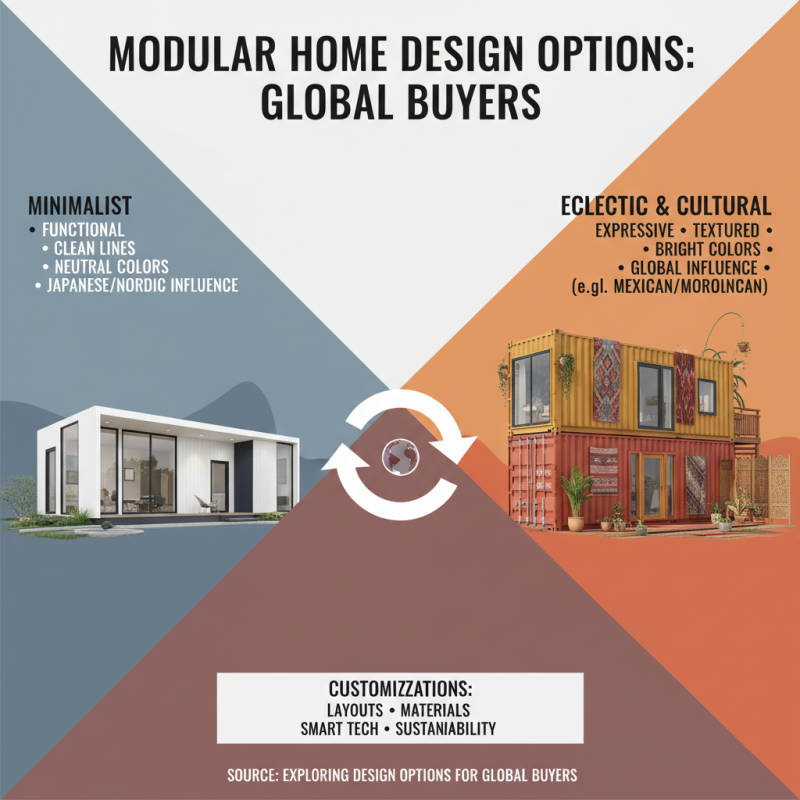
When considering modern modular homes, buyers should explore various design options. Styles vary greatly, reflecting different cultural preferences. For example, some may prefer minimalist designs that emphasize functionality. Others might lean towards homes that celebrate vibrant colors and unique textures. Each design choice impacts not just aesthetics but also livability.
Customization is crucial for global buyers. It allows the creation of spaces that resonate with individual lifestyles. Modular homes can include open layouts, eco-friendly materials, and smart technology. However, not all customizations are straightforward. Some features may be challenging to integrate into modular designs. Balancing personal preferences with practical limitations can be a tricky task.
In addition, buyers should consider local climate and regulations. These factors often dictate suitability of certain styles or materials. Research is essential, yet it can be overwhelming. Engaging with experienced professionals can simplify this process. Their insights help navigate challenges and inspire innovative solutions. Building a modular home is an exciting journey, though it requires thoughtful decisions at every turn.
Evaluating Cost and Sustainability: Budgeting for Modular Homes
When considering modular homes, budgeting is crucial. Modern modular homes can vary widely in price. One must evaluate the base cost, delivery, and installation fees. A well-planned budget allows buyers to make informed decisions. It's important to factor in additional expenses, such as permits and land preparation. Unexpected costs can arise, creating financial strain.
Sustainability also plays a key role. Many modular homes now use eco-friendly materials. Choosing sustainable options can often reduce energy costs in the long run. However, initial investments might be higher. Buyers must weigh these trade-offs carefully. Overlooking long-term savings could lead to regrets.
While modular homes offer numerous advantages, they are not without challenges. Some buyers may encounter zoning regulations or land issues. It’s crucial to research local laws thoroughly. Ignoring these details can affect home placement and usage. Take time to assess all factors. A comprehensive approach can lead to a more satisfying purchase.
Understanding Regulations: Navigating Local Building Codes and Standards
When considering modern modular homes, understanding local building codes is crucial. Each region has distinct regulations that can affect design and construction. These codes ensure safety and livability in your new home. Be prepared for variations in standards across different areas. Even the same type of home can face different rules based on local jurisdiction.
Navigating these regulations requires careful research. Some codes may emphasize energy efficiency, while others focus on structural integrity. It is important to consult with local authorities to comprehend these rules fully. Sometimes, what seems like a minor detail can lead to significant delays or changes in your project. Collaborate with experienced professionals who understand these nuances. They can guide you through the permit process effectively.
Furthermore, always remain adaptable. The requirements may be updated frequently, and staying informed is vital. This means regularly reviewing the latest codes and understanding how they apply to your chosen design. If you overlook this aspect, you might face unexpected challenges later on. Keeping an open line of communication with your builder and local regulators can help mitigate these issues.
Related Posts
-
What are Modular Homes and How Do They Work?
-
10 Essential Tips for Choosing the Best Modular House Plans
-
Why Choose Modern Modular Homes for Sustainable Living and Affordability
-
Why Choose Modern Modular Homes for Sustainable Living in 2023
-
Top 10 Pre Manufactured Homes You Should Consider Today?
-
Why Are Modular Built Homes Gaining Popularity in Sustainable Living?