How to Choose the Right Prefabricated Modular Homes for Your Needs?
Choosing the right prefabricated modular homes can be overwhelming. With various options available, making the right choice is crucial. These homes offer convenience and flexibility, but not all are suitable for every need.
When exploring prefabricated modular homes, consider your lifestyle. How much space do you need? What layout suits you best? You must reflect on your preferences and budget. Each decision impacts your long-term satisfaction. Sometimes, the most cost-effective option may not meet your expectations.
Researching is vital. Look for reputable manufacturers. Consider sustainability, building materials, and design options. Reading customer reviews can also provide insights. Quality matters in prefabricated modular homes, so weighing all factors ensures a satisfying purchase.
Understanding Prefabricated Modular Homes: An Overview
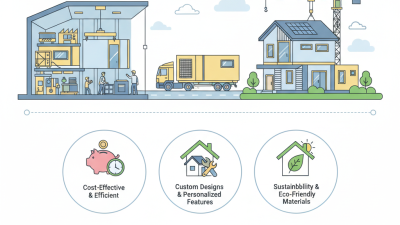
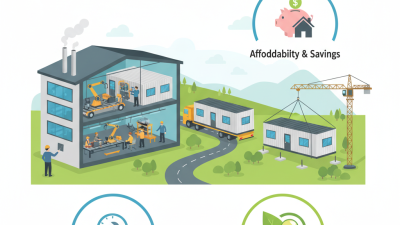
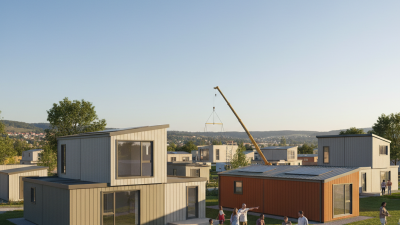
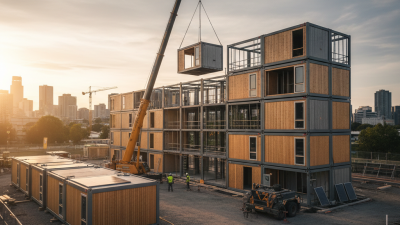
Prefabricated modular homes have changed the landscape of housing. These homes are built in sections in a factory setting. They are transported to the site for assembly. This method offers numerous advantages. According to the U.S. Census Bureau, the demand for modular homes has grown by 20% over the past five years. This trend indicates that more people recognize their benefits.
Understanding the design flexibility of modular homes is crucial. These homes can be customized to fit various styles and needs. It’s essential to consider factors like space, layout, and energy efficiency. A recent report from the Modular Building Institute highlights that these homes can achieve up to 50% energy efficiency compared to traditional builds. However, some potential buyers express concerns. They worry about the long-term durability of modular homes.
Cost is another critical aspect to evaluate. On average, modular homes can be 10-20% less expensive than traditional homes. But, it's vital to assess local zoning regulations and site preparation costs. Buyers must reflect on their specific needs. Investing time in research can lead to better decisions. Understanding the unique characteristics of modular homes is key to making an informed choice.
Assessing Your Space Requirements for Modular Homes
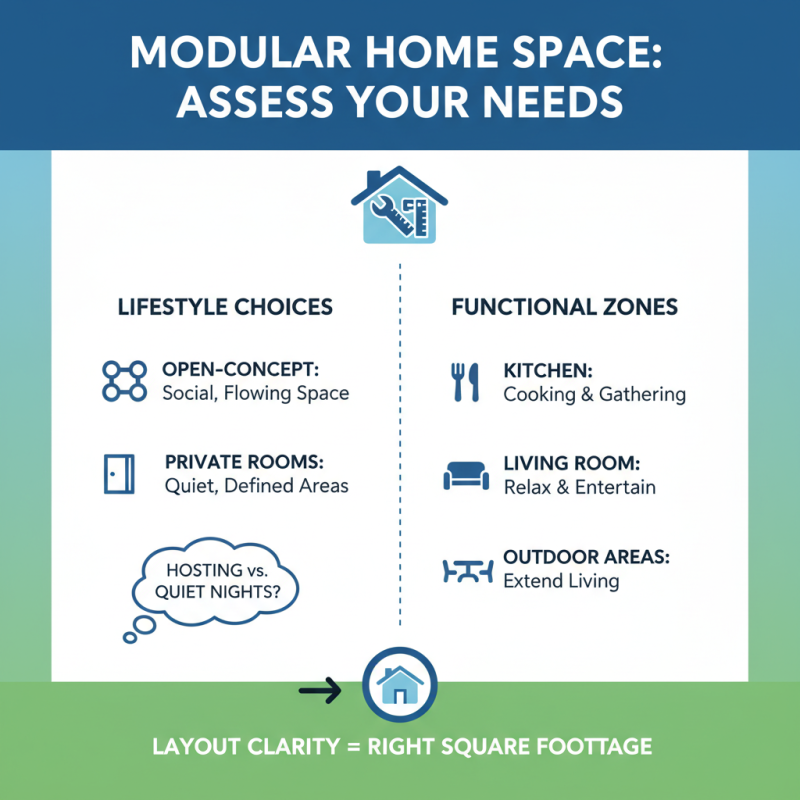
When assessing your space requirements for modular homes, start by considering your lifestyle. Do you prefer open-concept living? Or do you value distinct, private rooms? Each choice impacts the square footage you’ll need. Think about how you use each space: the kitchen, living room, or even outdoor areas. Imagine hosting friends or quiet evenings with family. This will help clarify the right layout.
Next, evaluate your future needs. Families grow, and so do hobbies. A spare room now might be a home office or a nursery later. Consider storage, too. Do you need space for a workshop or sports equipment? Too often, people underestimate storage needs. This foresight can save you from overcrowding later on.
Lastly, measure the land where your home will sit. Knowing the dimensions will guide your choice of model. Modular homes come in various sizes and configurations. Understanding your space will help you avoid buyer’s remorse when the time comes to choose your dream home. Balancing your current and future needs requires reflection, but it’s worth the effort. Adjusting your plans is important, and sometimes, what seems perfect may need tweaks later on.
Evaluating Design Options and Customization Features
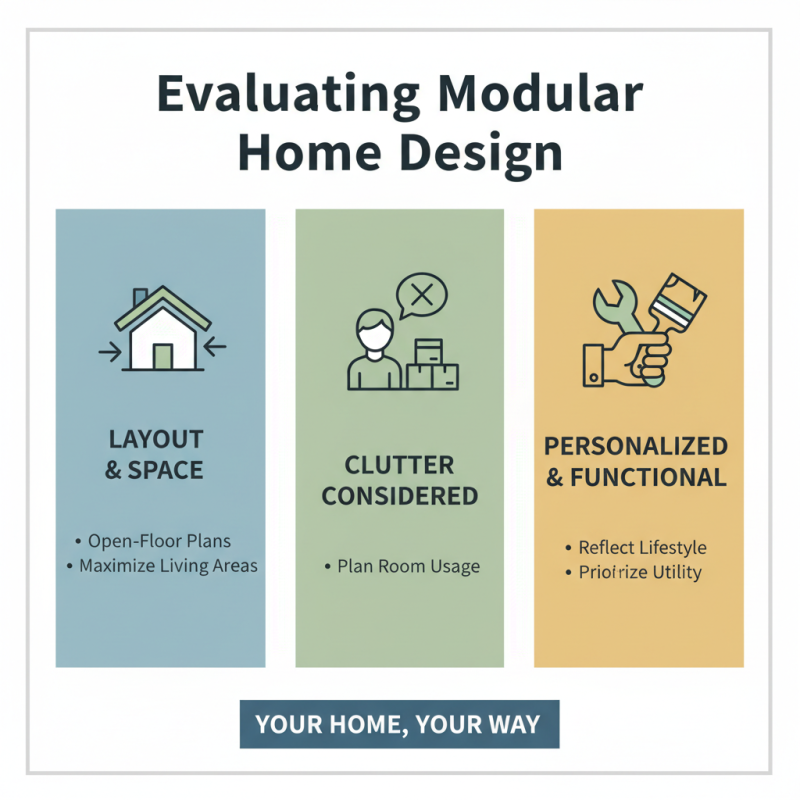
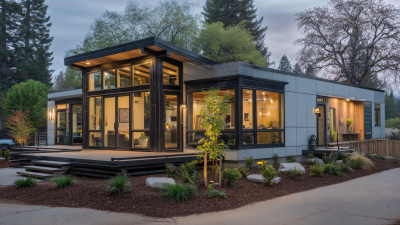
When it comes to selecting the perfect prefabricated modular home, evaluating design options is crucial. Think about layout and space utilization. Many designs offer open floor plans that maximize living areas. However, clutter can easily diminish an open space's appeal. Consider how you plan to use each room. Personalized spaces should reflect your lifestyle, so prioritize functionality.
Customization can set your home apart. Look for options like exterior finishes, window placements, and interior layouts. However, be aware that extensive customization can increase costs. Weigh the benefits of unique features against your overall budget. Sometimes, a simpler design with fewer custom elements can provide more value in the long run. Remember, choosing the right design goes beyond mere aesthetics; it should align with your practical needs.
Evaluating sustainability features is also essential. Consider energy-efficient designs or eco-friendly materials. These choices enhance comfort and can lower maintenance costs. However, not all options are the same. Research thoroughly to find solutions that suit your climate and environment. It's vital to strike a balance between style, cost, and sustainability when making your decision.
Comparing Costs: Budgeting for Modular Home Construction
When budgeting for modular home construction, understanding costs is crucial. A 2022 report from the Modular Home Builders Association states the average price per square foot for a modular home ranges from $100 to $200. This price can increase based on location and customization. Potential homeowners must consider these variances in their financial planning.
Construction and land costs are just part of the equation. Additional expenses, such as permits, utility connections, and site preparation, can add thousands to your budget. It’s essential to factor in these hidden costs. A National Association of Home Builders survey found that homeowners often underestimate site preparation costs by nearly 20%.
Financing options also play a role in budgeting. Prefabricated homes typically qualify for standard mortgages. However, not all lenders are familiar with this type of construction. Securing financing may require time and research. Getting pre-approved can provide a clearer budget outlook. Remember, the cheapest option may not always offer the best long-term value. Choosing the right modular home requires careful consideration of overall investment, not just initial costs.
Comparing Costs of Prefabricated Modular Homes
Researching Manufacturers and Quality Standards
When looking for a prefabricated modular home, researching manufacturers is essential. Many companies claim to offer quality products, but not all meet industry standards. Explore their history and reputation in the market. Check how long they have been in business. A longer track record often indicates reliability.
Quality standards matter significantly. Look for homes that meet or exceed local building codes. Inspect materials used in construction. Are they durable and sustainable? Pay attention to insulation and energy efficiency ratings. A well-built home ensures comfort and lowers utility bills.
Customer reviews provide insights into manufacturers. Ask for recommendations from previous buyers. Reflection on their experiences can highlight potential issues. However, be cautious; not all feedback is unbiased. Evaluate reviews critically to form a balanced view. Coach yourself to look beyond glossy marketing claims. Focus on facts and concrete data that guide your decision-making.