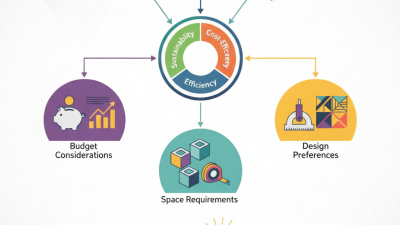
How to Choose the Best Modular House for Your Needs?
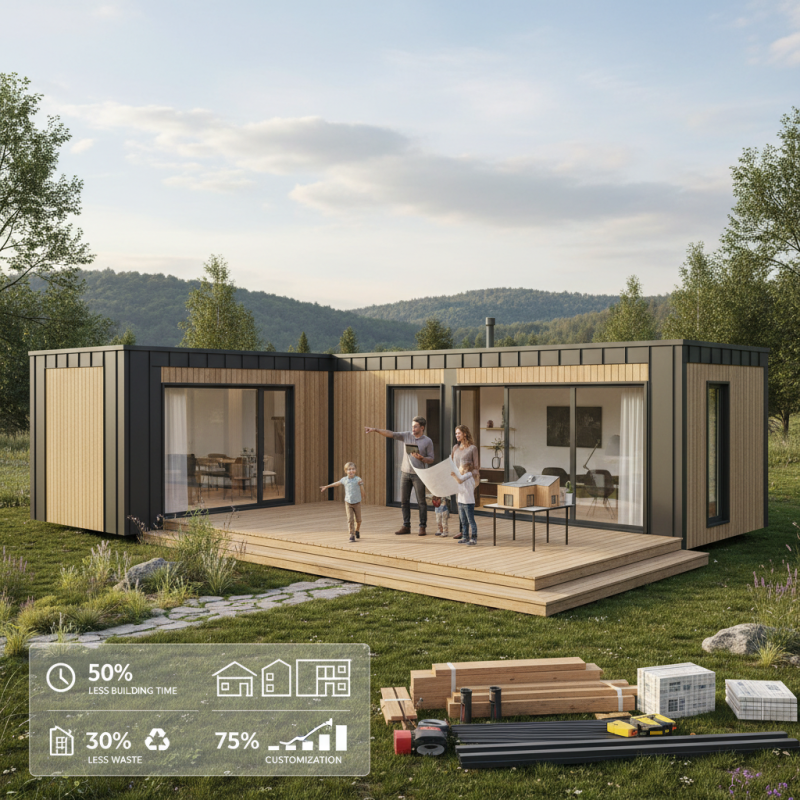
In recent years, the popularity of modular houses has surged, driven by their affordability and efficiency. According to a report by the Modular Building Institute, modular construction can reduce building time by up to 50%. This method not only speeds up the process but also minimizes waste. The environmental benefits are noteworthy; modular houses typically produce 30% less waste compared to traditional construction.
Choosing the best modular house for your needs can seem daunting. With various designs and options available, it’s essential to assess your specific requirements. A 2023 survey from HomeAdvisor revealed that 75% of homeowners value customization in modular builds. Understanding your preferences is crucial for making an informed decision.
Budget plays a significant role as well. While modular homes can be cost-effective, the final price still depends on various factors like size and materials. Reflecting on your financial goals and long-term plans is vital. While modular houses offer many benefits, potential buyers should consider both the advantages and limitations. This careful evaluation ensures that your investment meets your unique lifestyle and financial needs.
Understanding Modular Houses: Key Features and Benefits
Modular houses are gaining popularity for many reasons. One key feature is their design flexibility. Homebuyers can choose from various layouts and sizes to suit their specific needs. This adaptability allows families to create functional living spaces. Every detail can be customized, from the number of bedrooms to kitchen finishes, reflecting personal style.
Another benefit is the speed of construction. Modular homes are built in sections, often reducing on-site time significantly. This means homeowners can move in faster than traditional builds. However, potential buyers should consider the land requirements and local regulations. Some areas may have restrictions on modular home installations. Researching zoning laws can prevent future headaches.
Energy efficiency is another important factor. Many modular homes are crafted with sustainable materials and advanced insulation. This can lead to lower utility bills and a smaller carbon footprint over time. However, not all modular homes are created equal. It's essential to evaluate the construction quality. A low-cost option may lack durability and performance, which can be frustrating in the long run. Always seek expert advice to make informed decisions.
Comparison of Key Features in Modular Houses
Assessing Your Space Requirements and Lifestyle Preferences
When choosing a modular house, consider your space requirements carefully. Think about how many rooms you need. Consider your future needs too. Families grow, and lifestyle changes happen. A two-bedroom house may feel cramped in a few years.
Look at your daily routine. If you work from home, a dedicated office space is crucial. If you entertain, an open floor plan may suit you better.
Lifestyle preferences play an important role. Do you enjoy outdoor activities? If so, a house with outdoor access or a deck may be ideal. Think about style and aesthetics.
Minimalism or a cozy, rustic vibe? The design should resonate with who you are. Reflect on your priorities. What matters most in your living space? Comfort, functionality, or sustainability? Each choice reflects a piece of your life.
Remember to be flexible in your planning. Needs change over time. You might not know now what your future looks like. This uncertainty can be daunting but also an opportunity. Keep your options open.
Assessing your requirements takes time. Take notes, visit models, and visualize living there.
Evaluating Budget and Cost Considerations for Modular Homes
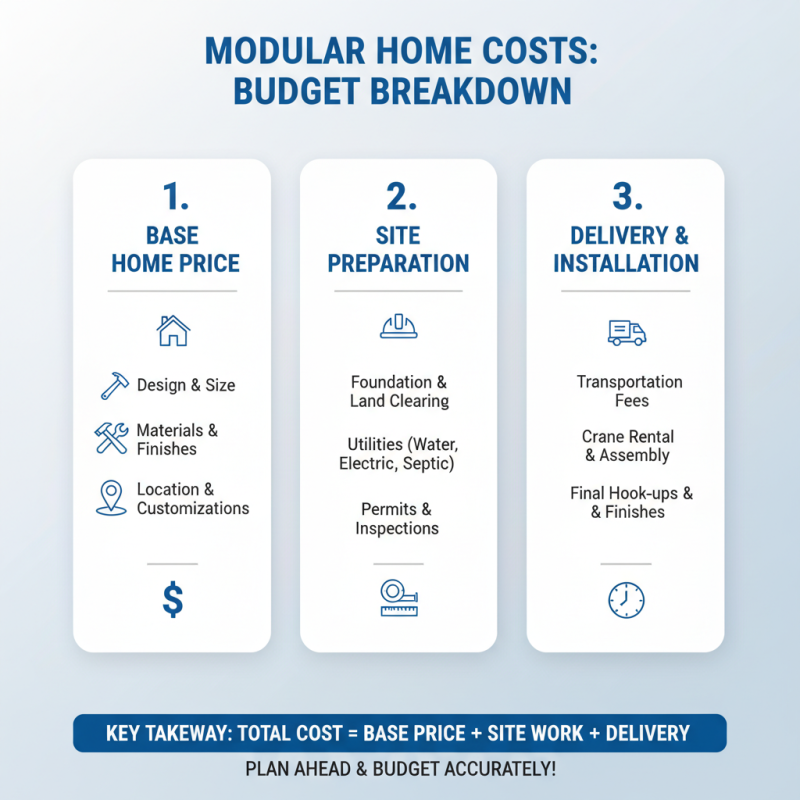
When exploring modular homes, budget and cost considerations are critical. Modular homes can vary greatly in price depending on design, materials, and location. Knowing your budget helps narrow down choices. It’s important to account for not just the base cost of the home, but also site preparation and delivery fees. These additional expenses can add up quickly.
Evaluating financing options is also essential. Some buyers may secure loans specifically geared towards modular homes. Interest rates and terms can vary significantly. Understanding the long-term costs, including maintenance and energy efficiency, is crucial as well. Do some research on local regulations that might affect overall expenses.
When selecting a modular home, reflect on what you're willing to compromise. A designer kitchen might be appealing, but could push you over budget. A simplified layout may save money while still meeting your needs. Consider visiting showrooms to get a feel for quality and pricing. Sometimes a cheaper option may not hold up as well over time. Balancing desires with financial realities requires careful thought.
Researching Manufacturers and Builders for Quality Assurance
When choosing a modular house, thorough research on manufacturers and builders is crucial. A 2021 report from the Modular Building Institute revealed that modular construction can reduce build times by 30-50%. However, not all manufacturers deliver the same level of quality. Checking their history and reviews is vital. Look for builders with a proven track record.
Quality assurance can significantly influence your investment. According to a 2022 survey by the National Association of Home Builders, 80% of homeowners prioritize quality over price. Engage with multiple builders to compare their offerings. Ask for references and visit completed projects. This hands-on approach provides insights into workmanship.
Be aware of the potential pitfalls. Some builders may cut corners to save costs. Always inquire about materials and methods used. Transparency is key. Trust your instincts if something feels off. Decisions made today affect your future comfort in the home you select.
Navigating Zoning Laws and Regulations for Modular Homes
Navigating zoning laws is crucial for anyone considering a modular home. Each municipality has its own regulations that can impact where you can place your home. According to the U.S. Department of Housing and Urban Development (HUD), about 70% of modular homes face zoning challenges. Understanding these laws can save you time and frustration.
Local zoning laws may dictate lot sizes, types of structures allowed, and even architectural styles. For instance, many areas may require a certain minimum square footage for homes, which can affect modular options. Recent studies show that nearly 40% of buyers encounter setbacks due to zoning restrictions. Some neighborhoods might not permit modular homes at all. Always check with local authorities before making decisions.
It’s also important to consider the installation regulations. Some areas require specific permits for utility connections, site plans, or even inspections. Many homeowners overlook these aspects, potentially delaying their project significantly. Transparency with local officials can ease this process and clarify ambiguity. Knowledge of local laws helps ensure your modular home fulfills its purpose without unexpected hurdles.
How to Choose the Best Modular House for Your Needs? - Navigating Zoning Laws and Regulations for Modular Homes
| Feature |
Considerations |
Zoning Regulations |
Cost Range (USD) |
| Design Flexibility |
Customization options based on your lifestyle |
Check local codes for architectural styles |
$50,000 - $150,000 |
| Foundation Type |
Permanent or temporary foundations |
Variability based on local building codes |
$10,000 - $40,000 |
| Energy Efficiency |
Insulation, windows, and appliances |
Must meet state energy codes |
$1,000 - $5,000 |
| Size and Layout |
Number of bedrooms and bathrooms required |
Minimum square footage restrictions |
$60,000 - $200,000 |
| Financing Options |
Loans and grants available |
Compliance with state housing finance laws |
Dependent on loan terms |