How to Choose the Best Pre Manufactured Homes for Your Needs
When considering the purchase of a home, many individuals and families are increasingly turning to pre manufactured homes as a viable option. These homes, built in a controlled factory environment, offer a blend of affordability, efficiency, and customization. As noted by leading industry expert Emily Roth, "Pre manufactured homes present an innovative solution for modern living, allowing for a unique balance between cost-effectiveness and personal style."
Choosing the best pre manufactured home to meet your specific needs requires careful consideration of various factors, including design options, construction quality, and energy efficiency. With the diverse range of styles and layouts available, potential homeowners can often find the perfect fit, all while staying within their budget. As the trend of pre manufactured homes continues to grow, understanding how to navigate this market is essential for making an informed decision.
In this guide, we will explore the critical aspects to consider when selecting pre manufactured homes, ensuring that you can find a living solution that not only meets your expectations but also enhances your lifestyle.
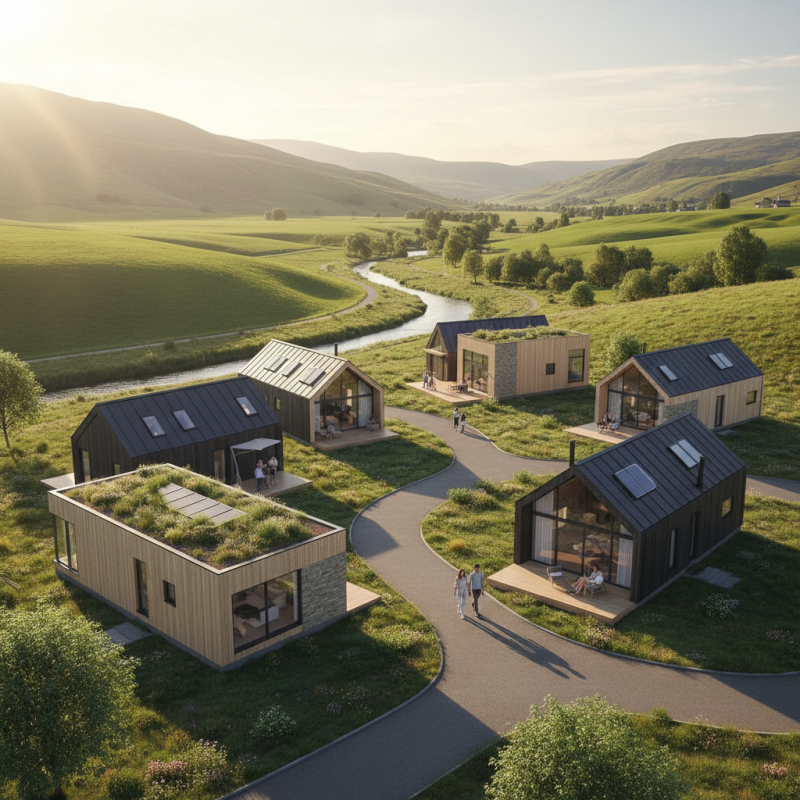
Understanding Pre-Manufactured Homes: An Overview
Pre-manufactured homes, often referred to as prefab homes, are designed for efficient construction while offering a range of stylish options to suit different needs and preferences. These homes are built in specialized factories and then transported to their permanent locations, streamlining the building process and reducing construction time. Understanding the features and benefits of pre-manufactured homes can help potential buyers make informed decisions that align with their lifestyle requirements.
An important aspect of pre-manufactured homes is their flexibility in design and customization. Buyers can often choose from various floor plans and finishes, allowing them to tailor the space to their specific tastes. Furthermore, the manufacturing process often adheres to high-quality standards, leading to energy-efficient builds that can save homeowners on utility costs. This combination of affordability, speed of construction, and customization makes pre-manufactured homes an attractive option for many people seeking to enter the housing market or downsize their living space. Understanding these fundamentals can significantly aid in selecting the best pre-manufactured home for one's unique situation.
How to Choose the Best Pre Manufactured Homes for Your Needs
| Feature |
Description |
Importance |
| Cost |
Initial purchase price and ongoing expenses |
High |
| Size |
Living space area and layout options |
Medium |
| Energy Efficiency |
Insulation, windows, and appliances |
High |
| Customization |
Options available for design and finish |
Medium |
| Durability |
Materials used and construction quality |
High |
| Location |
Placement rules and zoning requirements |
High |
| Financing Options |
Available loans and payment plans |
Medium |
Assessing Your Needs: Space, Budget, and Location
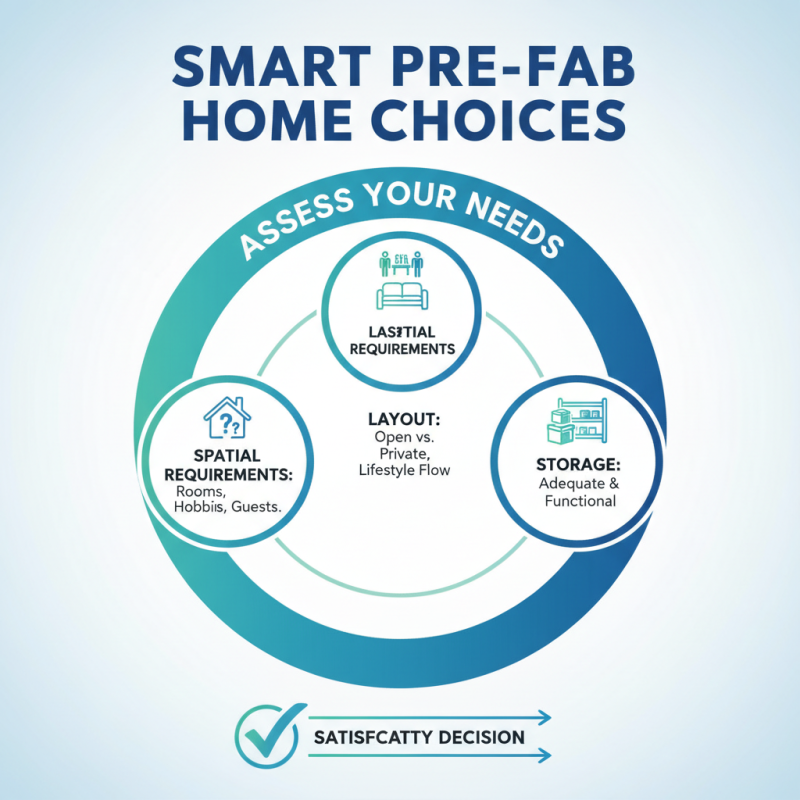
When choosing pre-manufactured homes, assessing your needs is crucial for making a satisfactory decision. Begin by considering your spatial requirements—how many rooms you need and whether you require additional space for hobbies or future guests. Think about the layout that would best suit your lifestyle; for instance, an open floor plan may be ideal for gatherings, while separations might provide the privacy required for family members. Don't forget to account for storage requirements as well; adequate storage options can greatly enhance the functionality of your home.
Budget is another significant factor in your decision-making process. Establish a financial limit that encompasses not just the cost of the home, but also additional expenses such as land preparation, utilities, permits, and maintenance. Consider researching financing options that may be available for pre-manufactured homes to help you stay within your budget. Comparing different models and their features will enable you to identify which elements are worth the investment based on your specific needs.
Lastly, the location of your pre-manufactured home plays a pivotal role in its overall value and your satisfaction. Evaluate factors such as proximity to work, schools, and essential services. Additionally, consider the local climate, accessibility to recreational activities, and the safety of the neighborhood. By aligning your space, budget, and location preferences, you are more likely to select a pre-manufactured home that meets your long-term goals and lifestyle.
Researching Manufacturers: Quality, Reputation, and Options
When selecting the best pre-manufactured home for your needs, researching manufacturers is a critical step. Begin by assessing the quality of the homes offered. Look for warranties and construction standards that indicate durability and reliability. High-quality materials usually lead to fewer maintenance issues down the line. User reviews and ratings can serve as a great resource to gauge overall customer satisfaction and product quality.
Additionally, consider the reputation of the manufacturer. A company with a long-standing history in the industry often has a proven track record of customer service and satisfaction. Check online forums, social media, and consumer reports for insights into a manufacturer's credibility. Engaging with current or past homeowners can provide first-hand perspectives that may highlight the strengths and weaknesses of various manufacturers.
**Tips:** When evaluating different manufacturers, make a checklist of your must-haves and nice-to-haves. This will help you stay focused on your priorities. Additionally, don't hesitate to ask potential manufacturers questions about their building processes and any customization options available; transparency in these areas can enhance your confidence in their product. Finally, visiting showrooms can offer a tangible feel for the craftsmanship and design, helping you make a more informed decision.
Comparison of Key Features in Pre-Manufactured Homes
This chart compares key features of pre-manufactured homes based on ratings in various categories including durability, price, customization options, energy efficiency, and speed of construction. These ratings can help you evaluate which home may best suit your needs.
Evaluating Floor Plans and Customization Potential
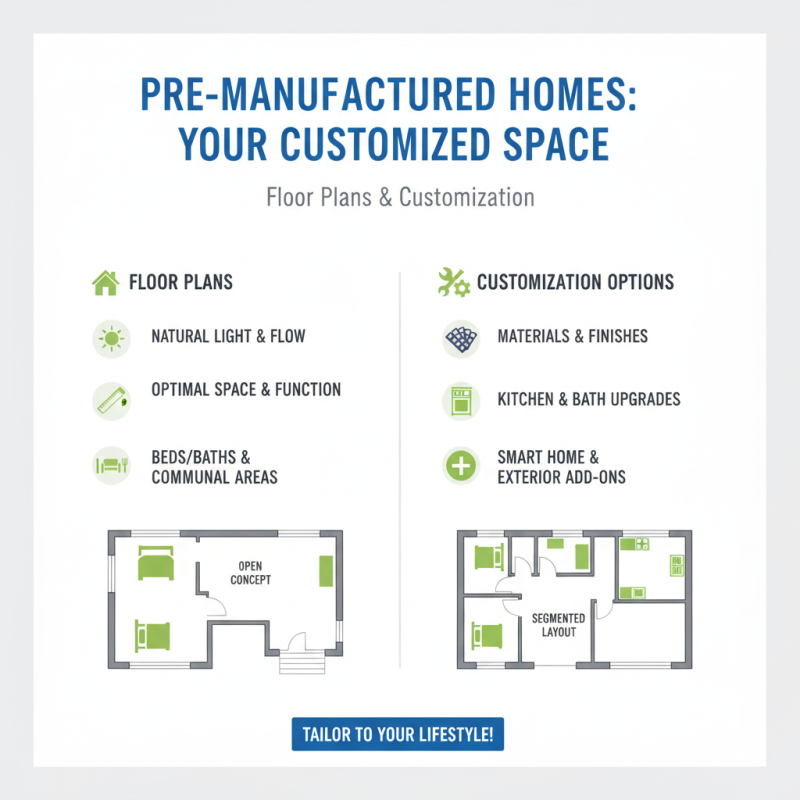
When selecting a pre-manufactured home, evaluating floor plans and customization options is essential for ensuring that the final product meets your lifestyle needs. Floor plans are the foundation of your living space; they dictate the flow of your home and can significantly impact daily life. Look for layouts that provide the right amount of space, natural light, and functionality. Consider how many bedrooms and bathrooms you require, as well as the importance of communal areas like the kitchen and living room. An open floor plan might be ideal for those who prioritize social interaction, while more segmented layouts can offer privacy and quiet retreat spaces.
Customization potential is another crucial aspect of choosing the best pre-manufactured home. Many manufacturers offer a range of options that allow you to tailor the home to your preferences. From selecting finishes and materials to modifying floor plans, the ability to personalize your space enhances your overall satisfaction. Explore the options for energy efficiency features, kitchen designs, and outdoor spaces. By prioritizing customization, you can create a living environment that reflects your taste and meets your practical needs, ensuring that your home truly feels like yours.
Navigating the Purchase Process: Contracts and Financing Options
When navigating the purchase process for pre-manufactured homes, understanding contracts and financing options is crucial. A recent report from the Manufactured Housing Institute suggests that approximately 22 million Americans live in manufactured homes, highlighting the need for clear and accessible financial arrangements. Buyers should prioritize reviewing contracts carefully to ensure they comprehend all terms and conditions, including warranty details, fees, and timelines for delivery. It's essential to check for any contingencies that might affect the final purchase and to clarify responsibilities pertaining to installation and zoning compliance.
Financing options for pre-manufactured homes can vary widely, encompassing traditional mortgages, personal loans, and specialized lending programs. According to the U.S. Census Bureau, the average cost for a manufactured home is around $80,000, necessitating a well-structured financial plan. Many buyers opt for a chattel loan, which allows for easier financing with lower down payments, usually ranging from 5% to 20%. It's advisable to explore different lenders, as the interest rates and terms can significantly impact overall costs. By understanding the intricacies of contracts and available financing options, prospective homeowners can make informed decisions that suit their financial landscape.