10 Essential Tips for Choosing the Best Prefab Houses for Your Needs
The growing popularity of prefab houses has revolutionized the housing market, catering to a diverse range of needs and preferences. According to a recent report by the Modular Building Institute, the prefab construction sector is projected to reach a value of $157 billion by 2023, reflecting a compound annual growth rate of approximately 6.9%. This surge in interest is driven by the numerous advantages prefab houses offer, including reduced construction time, cost-effectiveness, and sustainability. As homeowners increasingly seek innovative solutions that streamline the building process without compromising quality, understanding the intricacies of selecting the right prefab house becomes essential.
Choosing the best prefab house for your specific requirements can be daunting given the myriad of options available in today’s market. Industry experts suggest that potential buyers consider factors such as design flexibility, material quality, and energy efficiency in their decision-making process. A report from the National Association of Home Builders indicates that nearly 68% of consumers prioritize energy-efficient features in their home searches, underlining the importance of integrating sustainability into prefab housing choices. By following these ten essential tips, prospective homeowners can navigate the complexities of prefab housing and find the perfect fit that not only meets their immediate needs but also contributes to long-term environmental goals.
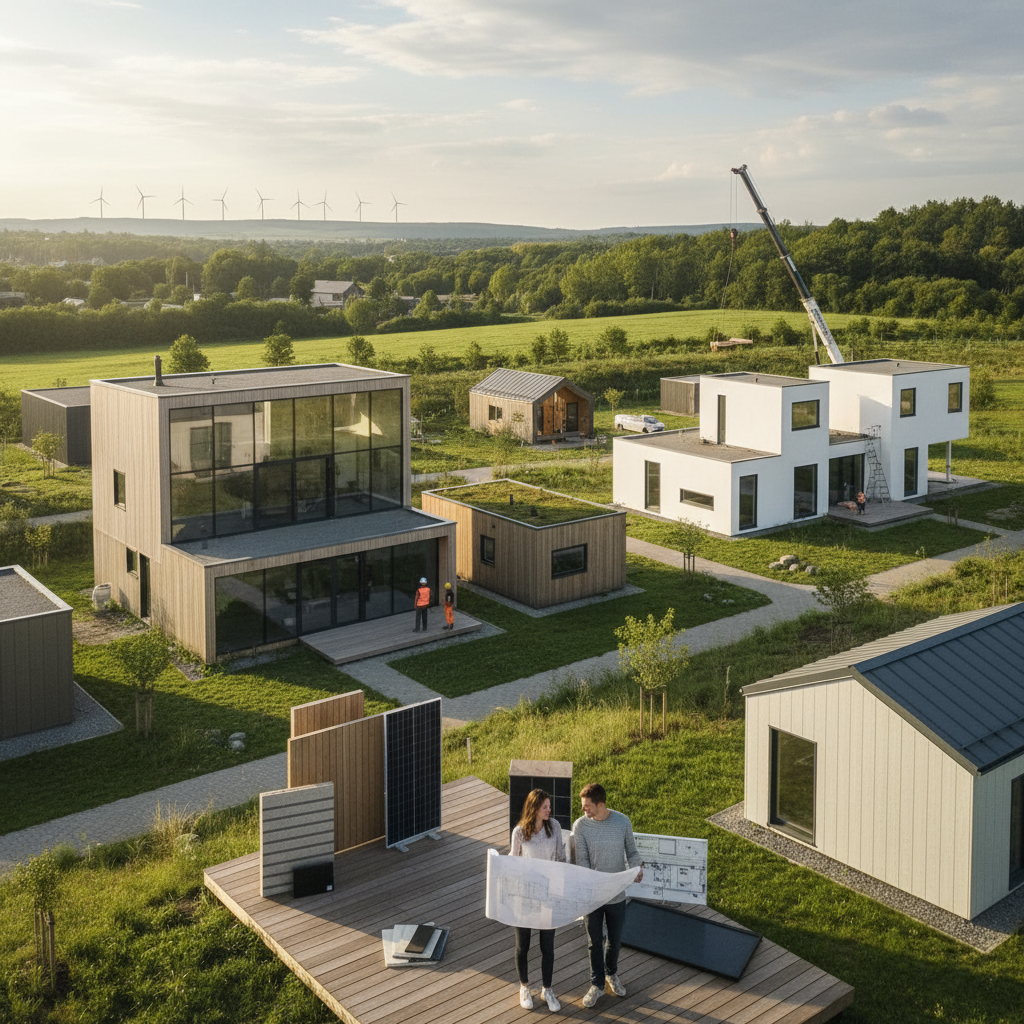
Understanding Your Space Requirements and Lifestyle Preferences
When considering prefab houses, understanding your space requirements is crucial. Start by assessing the number of occupants and their specific needs. A growing family might require
additional bedrooms and communal spaces, while a single individual or couple may prioritize functionality and minimalism. Think about future changes, such as potential family expansion or accommodating guests,
to ensure your home stays suitable for years to come. Prioritizing open floor plans can often maximize the available space, making smaller homes feel more expansive.
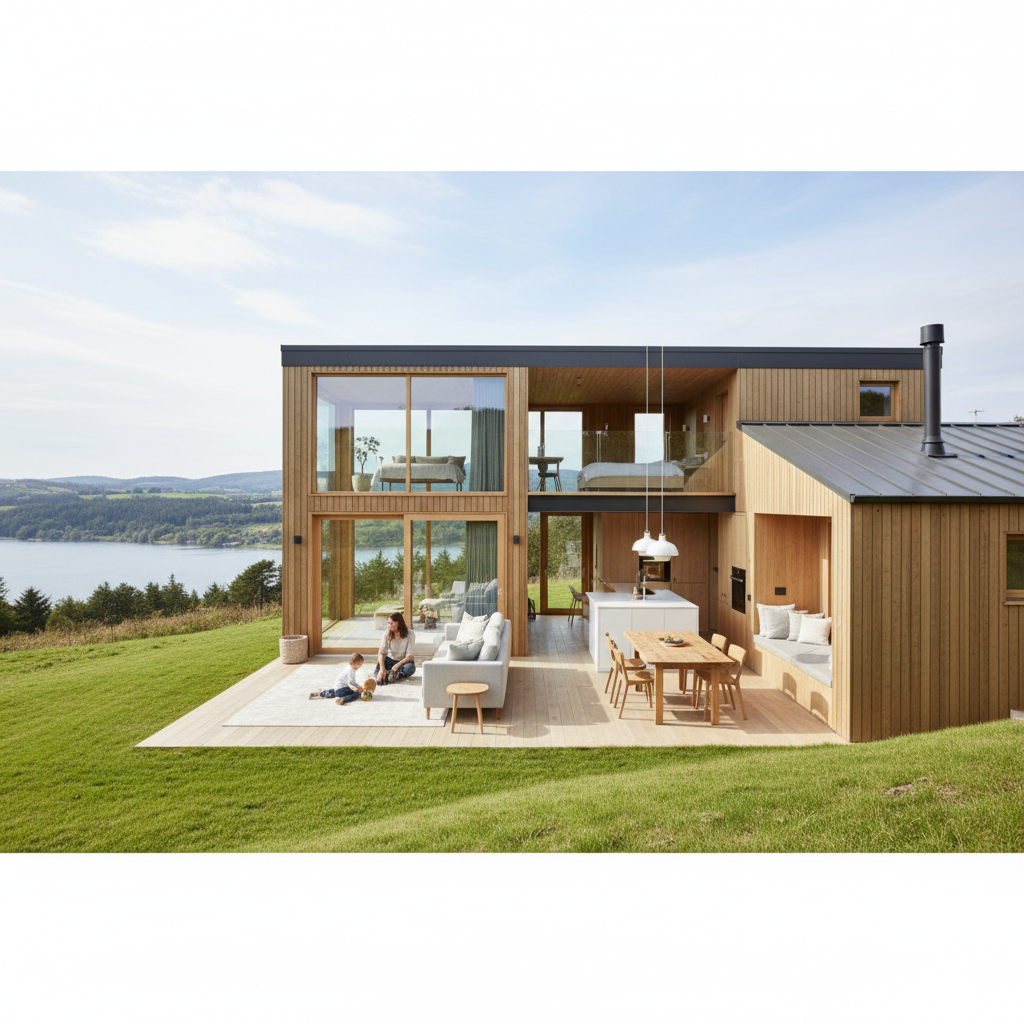
Lifestyle preferences also play a significant role in the choice of a prefab house. Consider how you live—do you entertain often, need a home office, or prefer outdoor living spaces? Selecting designs that incorporate elements like
porches, decks, or adaptable spaces can enhance your day-to-day enjoyment. Additionally, eco-friendly options may align with your values, influencing decisions about energy efficiency and sustainable materials.
By blending your spatial needs with your lifestyle choices, you can find a prefab house that truly resonates with how you envision your life.
Evaluating Different Prefab House Designs and Styles
When considering prefab houses, evaluating different designs and styles is crucial to find a perfect match for your lifestyle. First, determine your aesthetic preference—modern, rustic, or traditional. Each style comes with its own unique appeal and functionality. Modern designs often emphasize open spaces and minimalistic decor, while rustic styles incorporate natural materials, giving it a cozy feel.
Next, assess the layout options available in prefab homes. Many designs feature open floor plans that encourage a free-flowing atmosphere, making the most of limited space. Consider factors such as the number of bedrooms, bathrooms, and additional spaces like home offices or guest areas.
Tip 1: Always prioritize your needs over trends. A trendy design might be appealing now, but it should ultimately serve your long-term requirements.
Tip 2: Research energy-efficient options. Many prefab homes have designs specifically engineered for sustainability, which can save you money while being environmentally friendly.
By carefully examining these different aspects, you can select a prefab house that not only fits your style but also meets your practical needs.
Assessing Budget Constraints and Financing Options
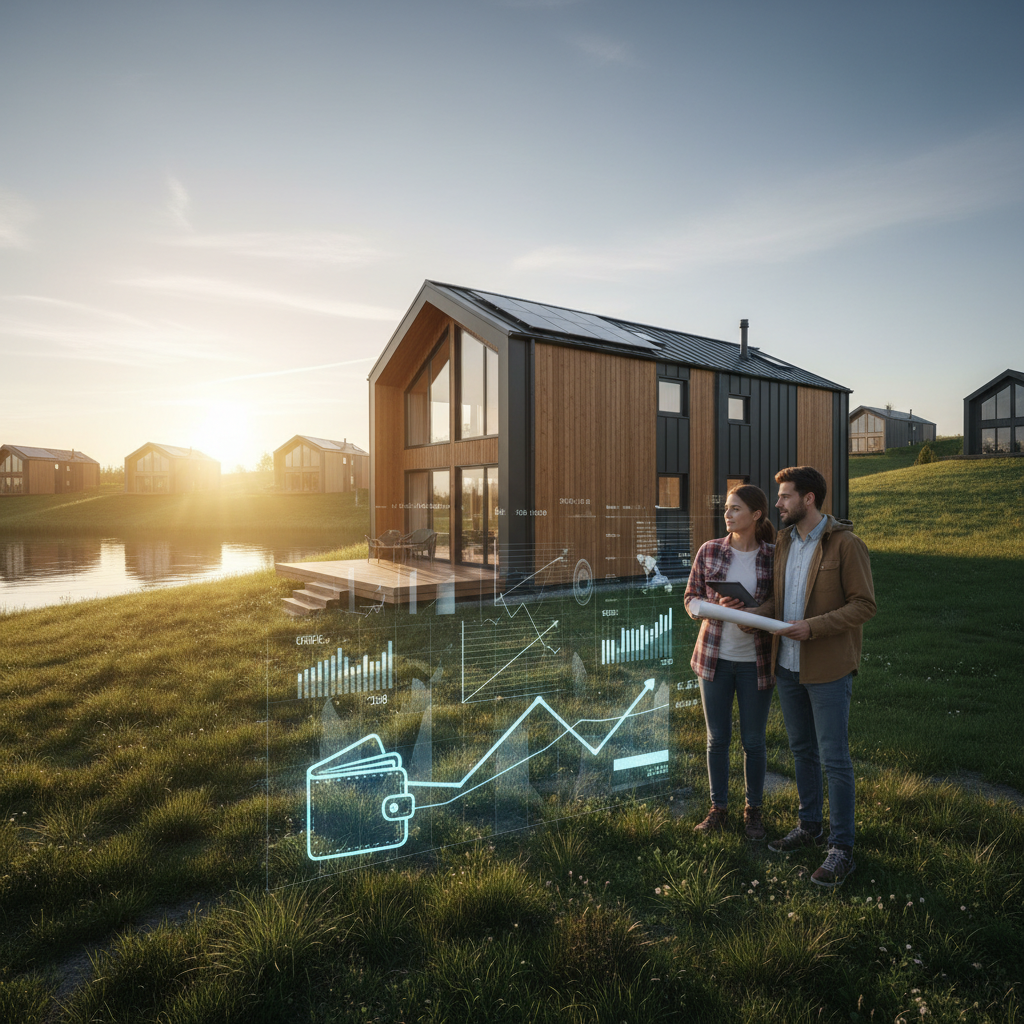
When considering prefab houses, one of the first steps is assessing your
budget constraints and exploring
financing options. According to a report by the Modular Building Institute,
the average cost of a modular home can range from $100 to $250 per square foot,
depending on design, materials, and location. Understanding these costs can help you identify a price range
that aligns with your financial capabilities and long-term goals.
Financing for prefab houses varies significantly from traditional homes. Many buyers rely on
construction loans or personal loans, with some lenders offering
specialized packages for prefab constructions. A survey conducted by the National Association of Home Builders
indicated that nearly 60% of first-time homebuyers prefer financing options
that allow for lower down payments or reduced interest rates. It’s crucial to consult with financial advisors
or mortgage brokers who have experience with prefab homes to understand your options better and find a plan
that suits your financial situation. Exploring programs designed to support sustainable
and efficient housing can also reveal additional grants or incentives that can ease the financial burden.
Researching Eco-Friendly Materials and Energy Efficiency Features
When selecting prefab houses, a key consideration should be the materials used in construction. Researching eco-friendly materials is crucial for minimizing your environmental impact. Look for options like
reclaimed wood, bamboo, and recycled steel, which not only reduce waste but also offer durability. Additionally, explore insulation materials that are sustainable, such as
cellulose or sheep's wool, which can significantly improve the thermal performance of your home.
Incorporating energy efficiency features into your prefab house design is equally important. Look for models that include
energy-efficient windows, which can reduce heat loss and improve comfort. Solar panels and energy-efficient HVAC systems are also valuable additions, as they can lower your utility bills and enhance the home’s sustainability. By prioritizing eco-friendly materials and energy-efficient features, you create a living space that aligns with both your financial goals and environmental values.
Finding Reliable Manufacturers and Evaluating Customer Reviews
When selecting a prefab house, finding reliable manufacturers is crucial. Start by researching companies with a solid reputation in the industry. Look for manufacturers that have been in business for several years and are known for delivering quality products. Checking their certifications and partnerships with industry organizations can also be an indicator of credibility. A reliable manufacturer should be transparent about their building processes and materials, ensuring they meet safety and environmental standards.
In addition to manufacturer credibility, evaluating customer reviews is essential to gauge satisfaction and performance. Browse online platforms and forums to read firsthand experiences from previous buyers. Pay attention to both the positive and negative reviews, as they can provide insights into any recurring issues. Consider the overall rating and frequency of complaints regarding construction quality, customer service, and post-purchase support. By synthesizing this information, you will be better equipped to make an informed decision that aligns with your specific needs and preferences.
Comparison of Key Features in Prefab Houses