How to Find Low Cost Prefab Homes for Global Buyers?
In an ever-evolving housing market, low cost prefab homes have emerged as a viable solution for global buyers seeking affordable living options. Industry expert John Smith, a leading architect in sustainable housing, once said, “Prefab homes can revolutionize the way we build by cutting costs and construction time.” This statement reflects a growing trend in the construction industry, where affordability meets modern design.
For many, the dream of homeownership seems distant. Rising prices and economic uncertainties deter potential buyers. However, low cost prefab homes offer a solution, providing quality housing at a fraction of traditional costs. These homes are not only budget-friendly but also customizable, catering to diverse lifestyles and needs.
Finding the perfect low cost prefab home may not be straightforward. Buyers must navigate various options and suppliers. Some may face challenges with quality assurance or delivery times. Understanding these aspects is crucial. Despite the shortcuts in the purchasing process, thorough research is necessary to ensure a reliable investment in a low cost prefab home.

Understanding Prefab Homes: An Overview for Global Buyers
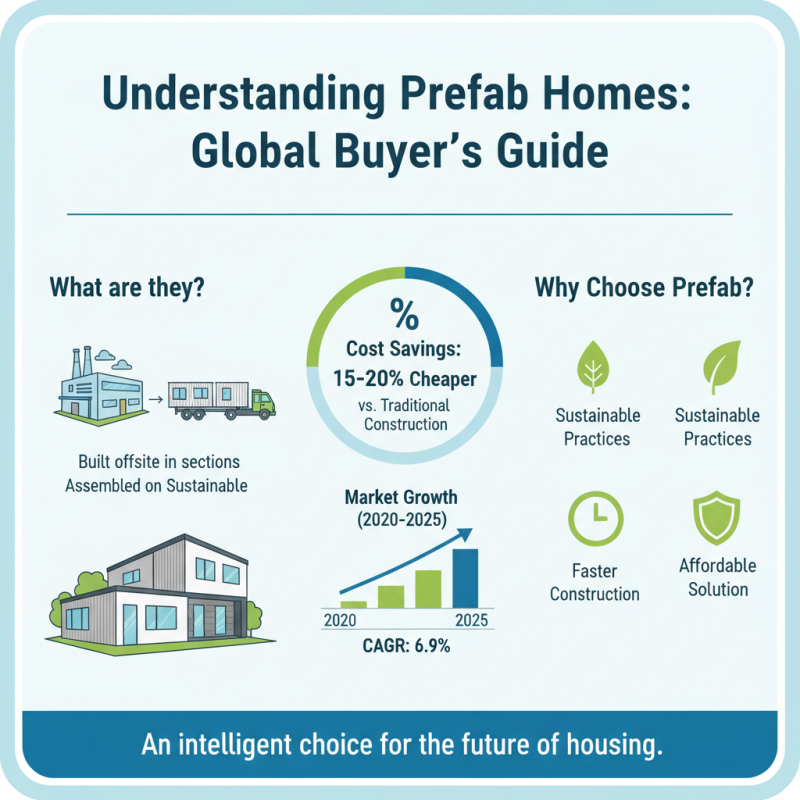
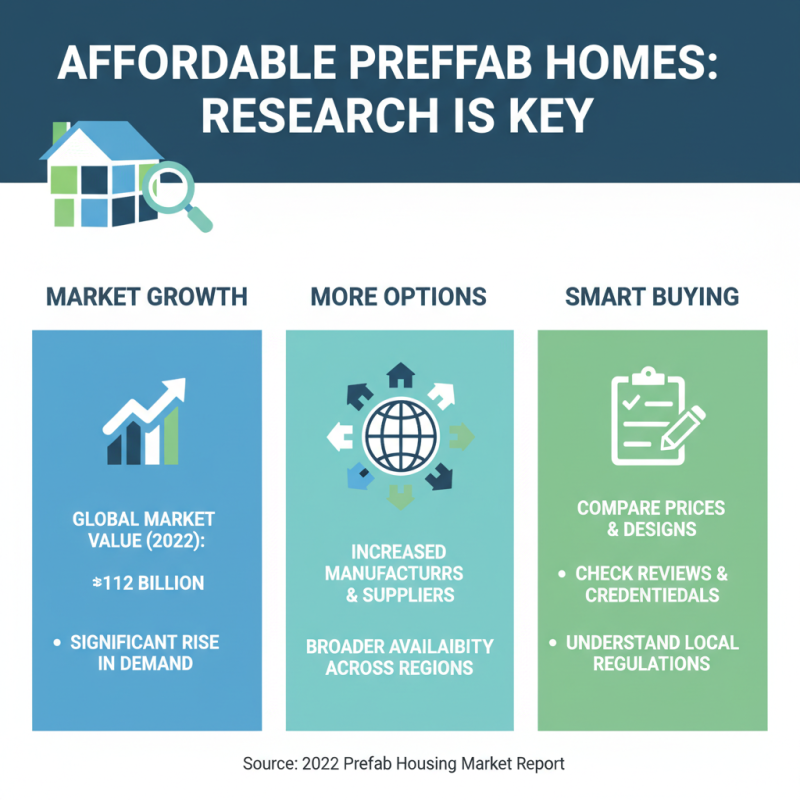
Prefab homes, or prefabricated homes, are an emerging solution for many global buyers seeking affordable housing options. These homes are built in sections offsite, often leading to about 15-20% cost savings compared to traditional construction. According to a report from the Modular Building Institute, the prefab market is projected to grow at a compound annual growth rate (CAGR) of 6.9% from 2020 to 2025. This growth highlights a shift in consumer preferences toward sustainable and efficient building practices.
Understanding the unique characteristics of prefab homes is crucial for global buyers. They typically offer flexibility in design and customization. Many models incorporate energy-efficient materials and technologies, reducing long-term costs. However, potential buyers must navigate zoning laws and land use regulations, which can vary significantly across regions. Additionally, while prefab homes can provide rapid assembly and reduced waste, some buyers face challenges such as financing and resale value concerns. It is essential to research local markets and connect with industry experts to mitigate risks in investing.
Factors Influencing the Cost of Prefab Homes Worldwide
When considering the cost of prefab homes globally, several factors come into play. Materials are one of the primary influences. The choice between timber, steel, or concrete can significantly affect overall pricing. In regions where timber is abundant, homes can be more affordable. However, steel is often preferred for durability, increasing initial costs.
Labor costs also vary widely. In some countries, skilled labor is readily available, making construction cheaper. In contrast, areas with limited skilled workers might see inflated prices, affecting the home’s final cost. Additionally, transportation costs can’t be ignored. If components must travel long distances, the expenses mount quickly, impacting affordability.
Timeframe for construction is another critical factor. Some prefab homes can be assembled quickly, benefiting buyers eager to move in. Others, due to weather delays or supply chain issues, may take much longer. It’s essential to consider these aspects carefully. Different combinations of these influences create a unique pricing structure in each location. Understanding your local market's nuances is vital for finding a cost-effective solution.
Cost Influencing Factors of Prefab Homes Worldwide
Evaluating the Quality and Sustainability of Low-Cost Prefab Options
When searching for low-cost prefab homes, quality and sustainability are key factors. Many buyers overlook these aspects in favor of price. However, understanding a structure's materials and design is crucial.
High-quality homes often use durable materials that can last longer. This may reduce the need for repairs and ultimately save money. Look for designs that incorporate energy-efficient features. These can significantly lower utility bills over time.
Sustainability also plays a vital role in your decision. Some prefabricated homes may appear affordable but are harmful to the environment. Assess the materials used in construction. Local and recyclable materials indicate a commitment to sustainability. It is important to ask providers about their construction processes and waste management.
Additionally, the long-term impact of low-cost homes requires reflection. Cheaper options may lead to costly maintenance later.
Weigh the benefits of temporary savings against potential future expenses. By prioritizing quality and sustainability, you can make smarter investments in prefabricated housing.
Navigating International Shipping and Regulations for Prefab Homes
Navigating international shipping and regulations for prefab homes can be daunting. Different countries have varying rules. For example, customs regulations can delay shipments significantly. Detailed documentation is essential to avoid these delays. A report by the International Federation of Building and Wood Workers notes that nearly 30% of prefab homes face shipping issues due to documentation errors.
Shipping costs also vary greatly. Some routes can be more expensive due to tariffs or logistical challenges. Data from Statista indicates that shipping costs can range from $2,000 to $10,000 depending on distance and cargo size. It's vital to research and plan for these expenses. Some buyers overlook these details, leading to unpleasant surprises later.
Understanding local regulations is another key factor. Each country has different building codes. Non-compliance could result in fines or even demolition. According to a study by the World Bank, approximately 40% of construction projects worldwide face regulatory challenges. Staying informed about these rules is crucial. Consulting local experts can help navigate this complex landscape effectively. It’s an area where many buyers feel lost and overwhelmed.
How to Find Low Cost Prefab Homes for Global Buyers?
| Country |
Average Cost (USD) |
Shipping Cost (USD) |
Average Delivery Time |
Local Regulations |
| USA |
$50,000 |
$1,500 |
4-6 weeks |
Zoning permits required |
| Canada |
$55,000 |
$2,000 |
6-8 weeks |
Building codes applicable |
| Australia |
$60,000 |
$2,500 |
5-7 weeks |
Permits required in most regions |
| Germany |
€45,000 |
€1,200 |
4-5 weeks |
Energy performance certificates needed |
| Japan |
¥7,000,000 |
¥150,000 |
3-4 weeks |
Approval needed for structure |