Hdpe Cutting Board Material Benefits and Tips for Buyers
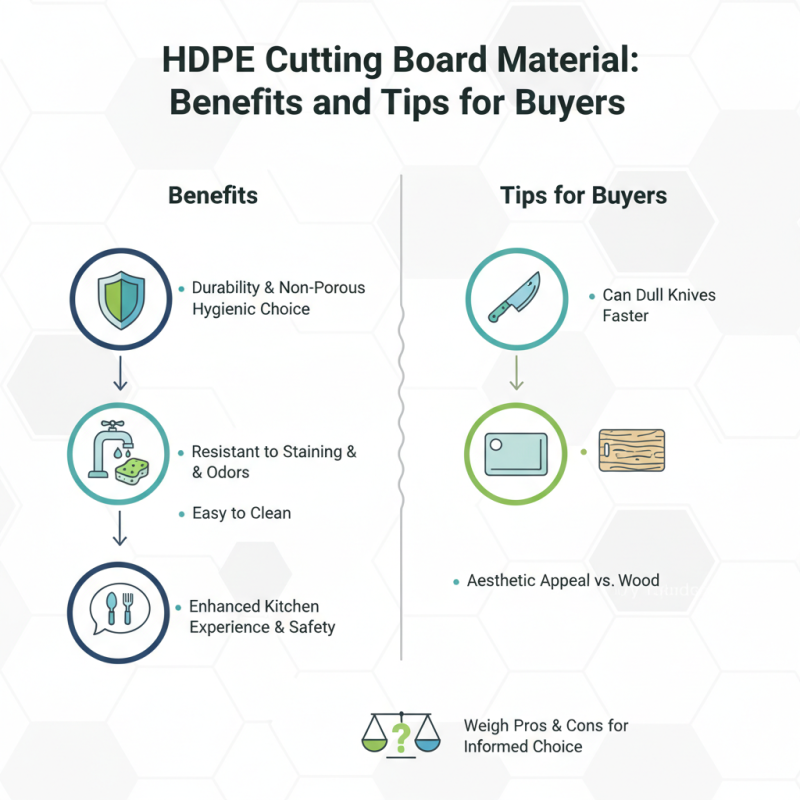
When selecting the right cutting board, many options are available. However, the Hdpe Cutting Board Material stands out for various reasons. High-density polyethylene (HDPE) offers unique benefits that cater to both home cooks and professional chefs. Its durability and non-porous nature make it a hygienic choice for any kitchen.
With its resistance to staining and odors, the Hdpe Cutting Board Material is particularly appealing. Unlike wood boards, it does not absorb liquids, which helps prevent bacterial growth. Cleaning and maintaining HDPE boards is straightforward, requiring only soap and water. These features enhance the overall kitchen experience while ensuring safety and cleanliness.
Buyers should also consider potential downsides. Some users find that HDPE boards can dull knives faster than wood. Additionally, the aesthetic appeal may not match that of traditional wooden boards. As you weigh these factors, understanding the strengths and weaknesses of the Hdpe Cutting Board Material will help you make an informed choice.
Benefits of HDPE Material for Cutting Boards
HDPE, or high-density polyethylene, is a popular material for cutting boards. One notable advantage of HDPE is its durability. According to the American Society for Testing and Materials (ASTM), HDPE can withstand quite a bit of wear and tear without cracking or splitting. In a commercial kitchen study by the National Sanitation Foundation (NSF), HDPE boards were found to have a lower bacteria harboring rate compared to wooden boards. This makes HDPE not just a choice for home cooks but also essential for professional food preparation.
Another benefit of HDPE is its ease of maintenance. It is dishwasher safe, allowing for hygienic cleaning. A report by the Food and Drug Administration (FDA) underscores the importance of cleanliness, stating that improper cleaning can lead to foodborne illnesses. HDPE boards can also be recycled, reducing environmental impact. However, wear can occur over time, and deep knife grooves may develop. This may necessitate replacement or resurfacing sooner than expected.
Users should consider these factors when choosing a cutting board. While HDPE boards are versatile, they can also be prone to discoloration. Over time, they might not look as pristine. Opting for high-quality HDPE ensures better performance and longevity. However, even the best materials require attention to maintain their effectiveness in the kitchen.
Key Features of HDPE Cutting Boards
HDPE cutting boards have become popular in kitchens for a variety of reasons. High-density polyethylene, or HDPE, is a durable and non-porous material. This prevents bacteria from lingering on the surface, making it a safer option for food preparation. Research from the USDA shows that HDPE boards have a lower bacterial retention rate than wood or other materials. This makes them preferred in environments like restaurants.
Another key feature is the resistance to moisture and staining. HDPE boards don’t absorb liquids, which aids in maintaining a hygienic surface. They are also lightweight and easy to handle, which appeals to home cooks and professionals alike. A report by the Food Science Journal noted that HDPE cutting boards could last several years with proper care. However, users should consider regular maintenance, as scratches may harbor bacteria.
In addition to hygiene and durability, HDPE boards are generally affordable. They can range widely in price, depending on size and thickness. Some buyers might overlook the potential for fading or warping if exposed to extreme temperatures. This can impact the usability of the board over time. While they are an excellent choice, it’s essential to assess individual needs and usage patterns before purchasing.
Comparative Analysis: HDPE vs Other Cutting Board Materials
When comparing HDPE cutting boards to materials like wood and bamboo, several factors come into play. HDPE (High-Density Polyethylene) is known for its durability and resistance to warping. Unlike wood, it doesn't harbor bacteria if properly cleaned. This is a significant advantage for food safety.
However, some might find the surface of HDPE less aesthetically pleasing. Wood cutting boards often have an attractive, warm appearance. They can also be gentler on knife edges than HDPE, which may dull knives more quickly. This is something buyers need to consider when making a choice.
In terms of maintenance, HDPE cutting boards are easier to sanitize. They can withstand high temperatures and are often dishwasher-safe. Nevertheless, scratches can develop over time, which may harbor bacteria if not addressed. Regularly inspecting cutting boards for wear and tear is essential for keeping a safe kitchen environment. Each material has pros and cons, requiring thoughtful analysis for the best purchase decisions.
Care and Maintenance Tips for HDPE Cutting Boards
HDPE cutting boards are popular due to their durability and non-porous surfaces. However, proper care is essential for longevity. Regular cleaning is crucial. Use hot soapy water or a mild detergent after each use. Avoid soaking or placing them in a dishwasher, as extreme heat can warp the material. For tough stains, a mixture of baking soda and water works wonders.
Storing HDPE cutting boards correctly also matters. Keep them in a dry area with good airflow to prevent warping. If there are scratches or knife marks, consider sanding down the surface lightly. This can help maintain a smooth cutting area. While HDPE is resistant to bacteria, regular inspection for deep cuts is wise. Replace boards with extensive damage to ensure food safety. Remember, even reliable materials need attention and care to remain effective.
HDPE Cutting Board Material Benefits
This chart illustrates the benefits of using HDPE cutting boards, rated on a scale from 1 to 10. Durability ranks the highest due to its resistance to wear and tear, followed closely by safety and versatility. Maintenance and cost are also considered, reflecting the overall value of HDPE in culinary settings.
Buying Guide: What to Look for in HDPE Cutting Boards
When choosing an HDPE cutting board, consider material quality and thickness. High-density polyethylene offers durability and resistance to knife marks. Industry reports indicate that thicker boards protect surfaces better and resist warping over time. Many are dishwasher-safe, making them hygienic choices for busy kitchens.
Tips: Look for boards with non-slip designs. Boards that stay in place prevent accidents during cutting tasks. Consider textured surfaces to reduce slipping.
When assessing an HDPE board, check its certifications. NSF International and FDA approvals show that the product meets safety standards. Be aware that some lower-quality boards can break down over time, impacting performance. A good board should not absorb odors or stains, ensuring a longer lifespan. Evaluate your cutting needs and select a size that fits your space.
Hdpe Cutting Board Material Benefits and Tips for Buyers
| Feature | Description | Benefits | Tips for Buyers |
| Durability | HDPE is resistant to scratches and impact. | Long-lasting and withstands heavy use. | Look for cutting boards with a dense structure for added durability. |
| Non-Absorbent | Does not absorb liquids and odors. | Keeps food fresh and prevents contamination. | Choose non-porous boards for better hygiene. |
| Easy to Clean | Can be washed in the dishwasher. | Saves time in cleaning after use. | Verify the board's compatibility with dishwasher use. |
| Chemical Resistance | Resistant to various chemicals and cleaning agents. | Prevents degradation from cleaners. | Check for food-safe cleaning recommendations. |
| Variety of Colors | Available in multiple colors for different uses. | Helps to prevent cross-contamination. | Consider a color-coded system for food safety. |
