2026 How to Choose the Best Prefab Home Designs for Your Needs?
Choosing the right prefab home designs is crucial for achieving your dream living space. With a variety of styles and layouts, it can be an overwhelming process. The diversity in prefab home designs means there is something to satisfy every preference and need.
When selecting a prefab home, consider your lifestyle and location. Think about how many rooms you need and if you require open spaces or cozy corners. Each design offers unique benefits. Some favor sustainability, while others focus on contemporary aesthetics. Reflect on what resonates with you and your family.
It’s vital to balance personal taste with practicality. Research various suppliers and their reputations. Not all prefab home designs are created equal. Some companies may lack reliability. Look for proven expertise in the industry. Your choice should be informed by quality and feasibility, as these homes remain investments for the long term.
Factors to Consider When Choosing Prefab Home Designs
When choosing prefab home designs, several key factors come into play. The first aspect is layout and space utilization. A study by the National Association of Home Builders indicates that 40% of potential homeowners prioritize efficient space usage. This trend highlights the importance of floor plans that maximize livability while minimizing waste. Consider your family size and lifestyle needs comprehensively.
Energy efficiency is another critical factor. Homes designed with sustainable materials and energy-efficient technologies can significantly reduce utility costs. According to the U.S. Department of Energy, energy-efficient homes can save homeowners an average of 30% on energy bills annually. This figure demonstrates savings that could influence your budget positively. However, not all prefab options offer the same energy standards, so thorough research is necessary.
Lastly, durability and materials used in construction require attention. Some prefab homes may use lower-quality materials to minimize costs, which could lead to future repairs. The International Code Council provides guidelines that ensure safety standards, but not all manufacturers adhere to these. This inconsistency can lead to doubts about the long-term viability of the structures. Evaluating the manufacturers and their adherence to these standards is crucial.
2026 How to Choose the Best Prefab Home Designs for Your Needs?
| Factor |
Description |
Importance Level |
Considerations |
| Budget |
The total cost you are willing to spend on a prefab home. |
High |
Consider all potential costs including land, installation, and permits. |
| Size |
The square footage and layout of the home. |
Medium |
Evaluate your family needs and future plans. |
| Design Style |
The architectural style that appeals to you. |
Medium |
Find designs that suit your taste and the environment. |
| Energy Efficiency |
How well the home conserves energy and reduces costs. |
High |
Research materials and appliance ratings. |
| Location |
The geographical area where you plan to place the home. |
High |
Local building codes, climate, and access to utilities. |
| Customization Options |
The ability to modify design elements and features. |
Medium |
Understand the limits of customizable features. |
| Construction Timeline |
The expected time frame for home delivery and setup. |
Medium |
Ensure project deadlines align with your schedule. |
Types of Prefab Homes: Understanding Your Options
Prefab homes have gained popularity for their versatility and affordability. There are several types to explore.
Modular homes are one option. They are built in sections, allowing for customization. This method speeds up construction and often reduces waste.
Another choice is prefab panel homes. These consist of pre-made panels that assemble quickly. It’s a straightforward approach, but it might limit design freedom.
Another interesting type is the shipping container home. This option repurposes old containers, offering a unique aesthetic.
It’s eco-friendly and often cost-efficient. However, insulation and ventilation require careful consideration. Moreover, tiny homes are growing in the market. They focus on minimal living while maximizing space.
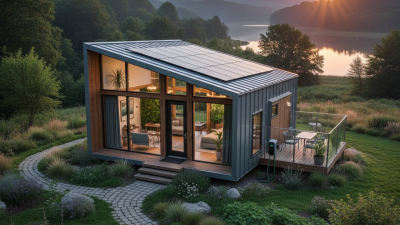
This option suits those looking for simplicity and lower expenses.
Each type has its benefits and drawbacks. Research is vital to find the right fit for individual needs.
Location, budget, and personal style influence the decision. Seek advice from experts and consider each option carefully.
Emphasizing these aspects can lead to a thoughtful choice in prefab home design.
Evaluating Your Budget for Prefab Home Designs
Evaluating your budget for prefab home designs is crucial. The average cost of prefab homes varies widely. According to the 2023 Modular Home Industry Report, prices can range from $100 to $300 per square foot. This variance often depends on size, design, and materials used.
Consider all aspects of your finances. Initial costs may seem lower than traditional builds. However, remember additional expenses such as land preparation, utility connections, and permits. A report from the Housing Research Center states that homeowners underestimate these add-ons by up to 20%. Setting a clear budget helps prevent surprises later.
It’s essential to reflect on your priorities. High-end finishes can elevate costs but may not add value. Think about resale potential. Sometimes, simpler designs can attract buyers more than intricate ones. Assess what features truly meet your needs and align with your financial plan.
Assessing the Environmental Impact of Prefab Homes
Prefab homes are gaining attention for their potential environmental benefits. They are often made with sustainable materials, reducing their carbon footprint. Prefabrication can minimize waste during construction. This is a significant advantage over traditional building methods. Reduced site disruption is another key factor, as less machinery and labor are required.
However, the production of prefab homes is not without challenges. Some manufacturing processes can consume a lot of resources. Transportation of prefabricated units can also add to their overall environmental impact. Energy efficiency is crucial in assessing these homes. One must evaluate their long-term energy performance.
Choosing a prefab home design requires careful consideration. It is essential to think about local climate and site conditions. Not all designs will suit every environment. Moreover, some designs may pose hidden environmental costs. Researching and questioning is vital. This ensures that the chosen prefab home aligns with eco-conscious values.
Customizing Your Prefab Home to Fit Your Lifestyle Needs
When customizing your prefab home, it's essential to reflect your lifestyle needs accurately. Begin by assessing your daily routines and personal preferences. For instance, an open floor plan can enhance family interactions, while a designated office space promotes focus for remote work. According to a recent report by the National Association of Home Builders, 74% of homebuyers prefer layouts that prioritize functionality.
Tips: Think about your hobbies. A dedicated craft room or a reading nook can create a personal sanctuary.
Consider energy efficiency too. Statistics show that energy-efficient homes can save homeowners up to 30% on utility bills. Selecting the right windows, insulation, and HVAC systems can make a significant difference in long-term comfort. Don’t overlook the importance of outdoor spaces. A small garden or a patio can enhance your living experience.
Tips: Visualize outdoor moments. Think of a space for kids to play or for family gatherings.
Customization can feel daunting, yet it’s also a chance for creativity. Reflect on your needs regularly as they may evolve. A good design should be versatile enough to adapt to life changes, like growing families or changing jobs. Keep revisiting your vision to ensure it aligns with how you live today.