What is Indoor WPC Wall Panel Benefits for Global Buyers?
In today’s architectural landscape, the choice of materials plays a crucial role in both aesthetics and functionality. The Indoor WPC Wall Panel stands out as a popular option for many global buyers. Made from wood-plastic composites, these panels offer a unique blend of natural beauty and durability. They are resistant to moisture, making them ideal for indoor environments.
Moreover, Indoor WPC Wall Panels are lightweight and easy to install. This feature not only saves time but also reduces installation costs. Many buyers appreciate the variety of styles and finishes available, allowing for customization in any space. However, it's important to choose reputable manufacturers to ensure quality. Not all products on the market meet the same standards.
While the benefits are significant, buyers should be mindful of potential drawbacks. Some panels may not be as strong as traditional materials. It’s essential to weigh the pros and cons carefully. This way, you can make an informed decision and achieve the desired results in your projects. Ultimately, understanding the benefits of Indoor WPC Wall Panels can lead to smarter purchasing choices.
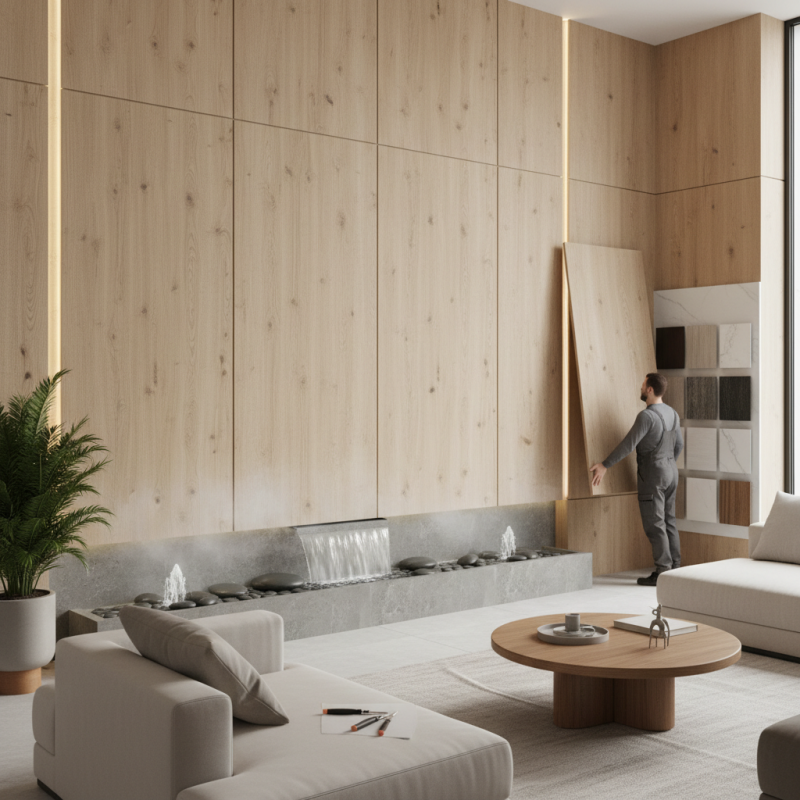
Benefits of Indoor WPC Wall Panels for Global Buyers
Indoor WPC (Wood Plastic Composite) wall panels offer various benefits for global buyers. These panels combine the durability of wood and plastic, resulting in a material that is both robust and easy to maintain. Their resistance to moisture and insects makes them a preferred choice in areas with high humidity. Many buyers appreciate how these panels can enhance indoor aesthetics while providing long-lasting functionality.
Installation is typically straightforward, which can save both time and labor costs. WPC wall panels are lightweight, making them easy to handle during installation. However, buyers should be mindful of the specific installation guidelines, as improper methods can lead to issues down the road. Environmental considerations are also important; some panels may contain harmful additives. Thus, buyers should investigate the materials used to ensure sustainability.
The versatility of WPC panels allows for multiple design styles. They can fit seamlessly into various environments, from modern offices to cozy homes. Yet, pricing can vary widely among different suppliers, and it’s essential to compare options carefully. It is advisable to prioritize quality over cost; this approach often leads to better long-term investments.
Environmental Sustainability of WPC Wall Panels
As buyers increasingly prioritize environmental sustainability, wood plastic composite (WPC) wall panels emerge as a significant choice. These panels blend recycled wood and plastic, reducing waste and minimizing the need for raw materials. This innovation directly contributes to conservation efforts. Unlike traditional materials, WPC panels significantly lower carbon footprints.
WPC wall panels are durable and resistant to harsh weather conditions. They are less likely to splinter or rot compared to conventional wood, ensuring longer lifespans. However, not every WPC panel meets high environmental standards. Some variations may contain harmful additives, raising concerns about long-term sustainability. Buyers must research manufacturers rigorously to ensure they select panels that truly embody eco-friendliness.
Moreover, the production process for WPC panels can also be energy-intensive. This aspect requires further exploration and improvement. Understanding the lifecycle from production to disposal remains essential for buyers aiming to support sustainable practices. By choosing carefully, global buyers can play a significant role in promoting greener building materials in their projects.
Cost-Effectiveness of Indoor WPC Wall Panels
Indoor WPC wall panels have gained popularity for their cost-effectiveness. These panels combine wood and plastic, offering durability at a lower price. They are lightweight, making them easy to install and handle. This feature significantly reduces labor costs during installation. Additionally, their resistance to moisture means lower maintenance costs over time.
Investing in WPC wall panels can be financially wise. They mimic the look of natural wood but do not warp or rot. Such advantages allow buyers to enjoy aesthetics without the ongoing expenses of traditional materials. The initial investment can seem high, but savings on repairs and replacements can add up over the years.
However, it’s important to consider the environmental impact. While WPC panels utilize recycled materials, the manufacturing process may still affect local ecosystems. Buyers should reflect on sourcing options to ensure sustainable practices. Balancing cost with environmental responsibility is essential for thoughtful purchasing decisions.
Aesthetic Versatility of WPC Wall Panel Designs
The aesthetic versatility of WPC wall panel designs makes them a popular choice for various interior projects. These panels are available in a wide range of colors, textures, and finishes. This variety allows homeowners and designers to create unique visuals that match different styles. For instance, natural wood finishes can enhance cozy interiors, while sleek, modern surfaces complement contemporary spaces.
One exciting aspect of WPC panels is their ability to mimic authentic materials. Some designs replicate the look of reclaimed wood or stone, providing a rustic charm. This mimicking saves on both time and costs compared to traditional materials. Yet, the challenge lies in selecting a design that truly resonates with one's personal taste. Sometimes, buyers may feel overwhelmed by the choices available. They might invest in a design that later feels out of place.
Moreover, WPC panels are not solely about aesthetics. Their moisture-resistant properties make them practical for various settings. They can be used in bathrooms or kitchens, areas often tricky with conventional materials. Drawing from practical experiences when choosing designs can lead to more satisfying outcomes. It’s essential to visualize how a selected panel will integrate into the total decor.
What is Indoor WPC Wall Panel Benefits for Global Buyers? - Aesthetic Versatility of WPC Wall Panel Designs
| Benefit | Description | Application | Market Trends |
| Aesthetic Appeal | WPC wall panels offer a wide range of designs and textures, enhancing the aesthetic quality of indoor spaces. | Residential and commercial interiors, including offices, hotels, and homes. | Increased demand for aesthetically versatile materials in home design and renovation. |
| Durability | Resistant to moisture, rot, and pests, ensuring longevity and reduced maintenance. | Ideal for areas prone to humidity, such as kitchens and bathrooms. | Growing awareness of sustainable and long-lasting building materials. |
| Eco-Friendliness | Made from recycled materials, reducing environmental impact compared to traditional wood. | Sustainable building projects and green architecture. | Rising consumer preference for environmentally friendly products. |
| Easy Installation | Lightweight nature facilitates quick and uncomplicated installation processes. | DIY projects and professional installations. | Increased popularity of home improvement and DIY culture. |
| Thermal Insulation | Provides effective insulation, helping to maintain indoor temperatures. | Energy-efficient buildings and climate-controlled environments. | Emphasis on energy conservation and lower utility costs. |
Durability and Maintenance of WPC Wall Panels in Indoor Spaces
WPC (Wood Plastic Composite) wall panels are gaining attention for their durability in indoor spaces. According to industry reports, WPC materials are known to resist moisture and warping, making them ideal for areas with variable humidity. Unlike traditional wood, WPC panels do not swell, shrink, or crack easily. This stability is vital in interior applications where temperature changes can occur frequently.
Maintenance of WPC wall panels is relatively straightforward. They require minimal upkeep compared to traditional wood finishes. A simple wipe-down with a damp cloth is often sufficient to maintain their appearance. Studies indicate that WPC panels can last significantly longer without needing repainting or refinishing. However, while WPC is resistant to stains, some buyers report minor scratches over time. Addressing these scratches can involve light sanding, which highlights the need for initial protective measures.
Environmental considerations also play a role in the adoption of WPC wall panels. They are often composed of recycled wood and plastic, contributing to waste reduction. Yet, some experts urge caution regarding the sourcing of materials, emphasizing the need for responsible procurement. This awareness can ensure that the benefits of WPC wall panels align with sustainability goals.
