What is a Modern Modular Home and How Does It Work?
The concept of modern modular homes is rapidly gaining traction in today’s housing market. According to a report by the Modular Building Institute, the modular construction sector is projected to grow by 8% annually. This shift reflects the increasing demand for sustainable and efficient housing solutions. Notably, industry expert Mark Smith states, “Modern modular homes offer an innovative approach to building that prioritizes speed and cost-effectiveness.”
These homes are prefabricated in sections, allowing for quicker assembly on-site. This method reduces waste and minimizes the environmental impact of traditional construction. Many homeowners are intrigued by the customizable features and modern designs that modern modular homes can provide. However, some still question the durability and resale value compared to conventional houses.
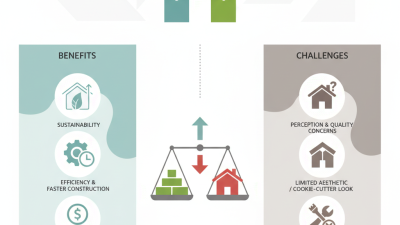
Challenges remain in perception and financing. Some buyers associate modular homes with lower quality. This belief comes from misconceptions about modular construction. The industry's goal is to educate potential homeowners about the benefits. Modern modular homes can indeed redefine what it means to live sustainably and efficiently.
What Defines a Modern Modular Home?
Modern modular homes are redefining the housing landscape. They are built off-site in controlled environments and then transported to the final location. This technique leads to reduced construction times, often cutting the build schedule by 30-50%. While this efficiency is notable, it raises questions about quality and customization.
What really defines a modern modular home? Key features include energy efficiency and sustainable materials. According to a 2022 industry report, 70% of modular homes meet or exceed energy efficiency standards compared to traditional homes. They often integrate eco-friendly technologies, like solar panels and high-efficiency HVAC systems. However, some buyers may find it challenging to balance aesthetics with practical designs.
Another defining factor is the design flexibility. Modular homes offer a range of layouts, but the choices can be overwhelming. Many buyers report feeling limited by pre-set designs, yet the potential for personalization remains appealing. As the market evolves, the challenge lies in marrying custom design with the efficiency modular construction offers.
Key Components of Modular Home Construction
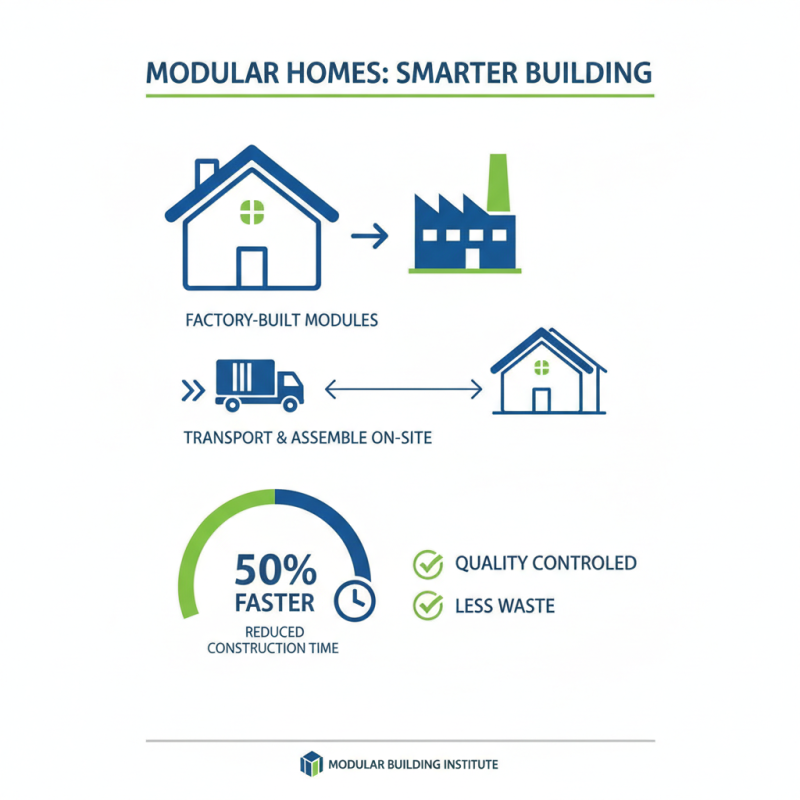
Modular homes offer a unique approach to construction. They consist of pre-manufactured sections called modules. These modules are built in a factory and later transported to the building site. This method can reduce construction time by up to 50%, as reported by the Modular Building Institute.
Key components include the structural frame, insulation, and utilities. The structural frame is crucial for stability. It typically uses steel or wood, but some designs favor lightweight materials. Insulation plays a significant role in energy efficiency. Properly insulated homes can save homeowners over $400 annually on energy bills. Utilities, including plumbing and electrical systems, are often installed before modules leave the factory.
Challenges exist in modular construction. Some consumers worry about design limitations. Others question the perceived quality compared to traditional homes. Addressing these concerns is essential for the industry's growth. A report by IBISWorld indicates a 7% yearly growth rate for the modular home market, suggesting increasing acceptance. However, misconceptions still linger. Higher education about design creativity can help dispel skepticism.
The Manufacturing Process of Modular Homes
The manufacturing process of modular homes has revolutionized the way we think about housing. Modular homes are built in sections, or modules, in a factory setting. This controlled environment ensures quality and precision. Studies suggest that modular constructions can be up to 30% faster than traditional builds. Efficiency is paramount, yet challenges persist.
Each module is transported to the building site and assembled. This can lead to potential delays, especially if weather conditions are unfavorable. According to industry reports, about 20% of modular homes experience setbacks during transport. It's crucial to address these logistical hurdles. A seamless integration of technology improves precision, but human error can still affect final outcomes.
Sustainability practices have gained traction in the modular home industry. Reports indicate that 75% less waste is generated in factory-built homes compared to traditional methods. This could significantly impact environmental footprints. However, understanding local zoning laws can complicate placement, raising questions about adaptability. The approach blends innovation with ongoing challenges, reflecting a journey that is still in progress.
Analysis of Modular Home Manufacturing Phases
This bar chart illustrates the average time taken (in weeks) for different phases of the manufacturing process of modular homes, showcasing efficiency in construction.
Advantages of Choosing a Modular Home
Choosing a modern modular home offers various advantages. These homes are built in sections, or modules, in a factory setting. This controlled environment ensures quality and reduces construction time. Homeowners can customize their designs without extensive delays. The energy efficiency of modular homes often surpasses traditional homes. Many are built with sustainable materials and smart technology, making them eco-friendly.
Cost-effectiveness is another crucial benefit. Modular homes can be more affordable than conventional builds. The streamlined construction process cuts labor and material costs. However, some might argue they lack the charm of traditional homes. The perception that modular homes are less durable can also deter potential buyers. Yet, with proper maintenance, these homes can last just as long. Ultimately, understanding both sides is key to making an informed choice.
Installation and Site Preparation for Modular Homes
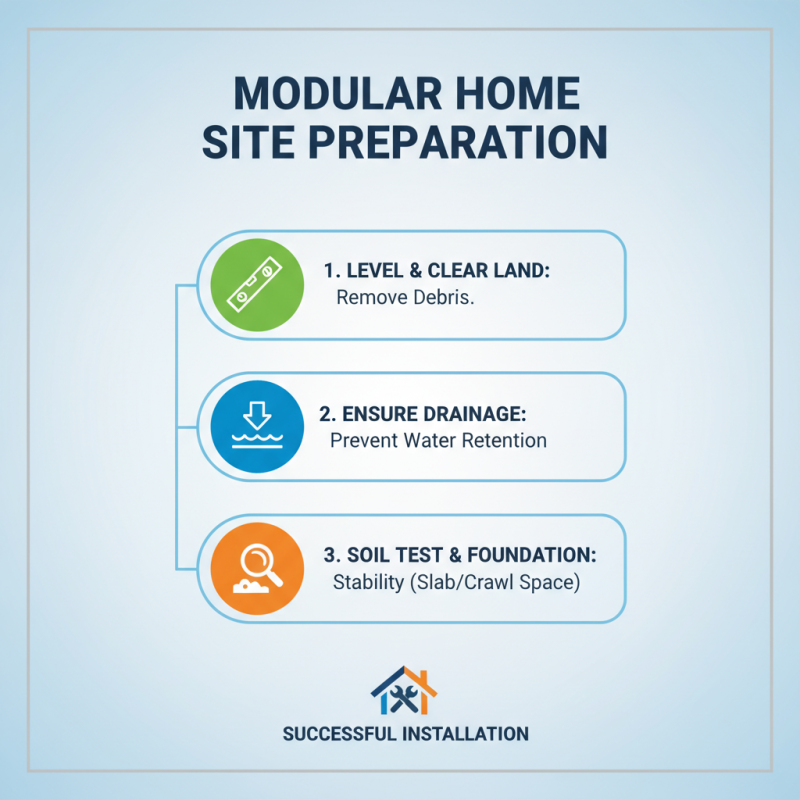
Site preparation is crucial for successful modular home installation. The land must be level and clear of debris. Proper drainage is essential. A site that retains water can lead to mold or structural issues later on. Builders often conduct soil tests to ensure stability. Each plot may require different foundations, such as crawl spaces or slabs.
In addition to leveling the ground, utilities need to be set up. Water, electricity, and sewage connections should be accessible. Planning these installations early on is vital. Delays in utility setup can push back the overall timeline. A poorly prepared site may result in costly changes once construction begins.
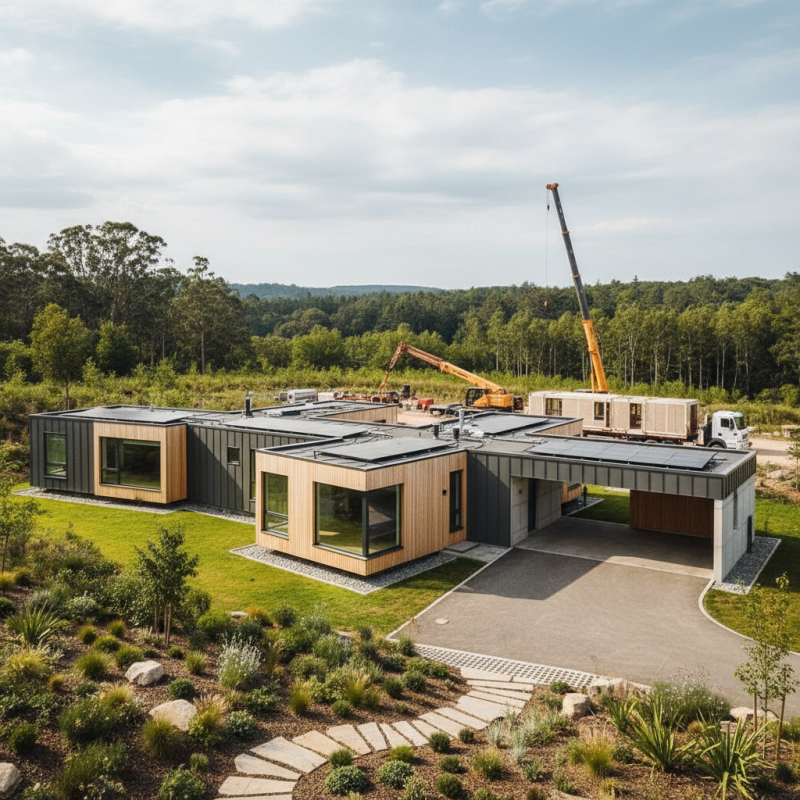
Once the site is prepared, delivery of the modules occurs. Each section arrives on a truck, ready for assembly. Experienced teams erect the modules quickly. However, unexpected challenges can arise. Weather conditions may hinder progress. Site access issues can complicate delivery. Real-time adjustments may be necessary to keep everything on track. Proper communication between the team members is important throughout this phase.