Why Choose Modern Modular Homes for Sustainable Living in 2023
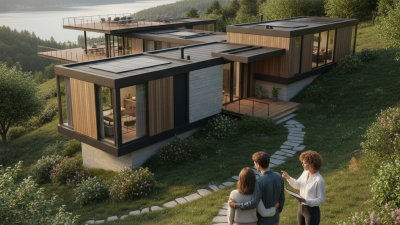
In recent years, the importance of sustainable living has gained significant traction, leading individuals and families to seek innovative housing solutions that minimize environmental impact. Among these solutions, modern modular homes have emerged as a leading option for eco-conscious buyers in 2023. These homes are not only designed with sustainability in mind but also offer flexibility, efficiency, and an appealing aesthetic. By utilizing off-site construction methods, modern modular homes can reduce waste and energy consumption during both the building process and in their lifetime, making them an attractive choice for those looking to live in harmony with nature.
The rise of modern modular homes coincides with a growing awareness of the urgent need for sustainable practices in our daily lives. With rapidly depleting resources and the escalating effects of climate change, individuals are shifting away from traditional construction methods that often contribute to environmental degradation. Instead, they are embracing modern modular homes, which are constructed with eco-friendly materials and designed to promote energy efficiency. This shift not only represents a commitment to a greener future but also highlights the practicality and affordability that these homes can offer.
As we explore the reasons why modern modular homes are an ideal choice for sustainable living in 2023, it becomes evident that they are more than just a housing trend; they are a crucial step toward a more sustainable and resilient future. By choosing modern modular homes, homeowners can achieve their sustainability goals while enjoying the benefits of modern design and comfortable living spaces.
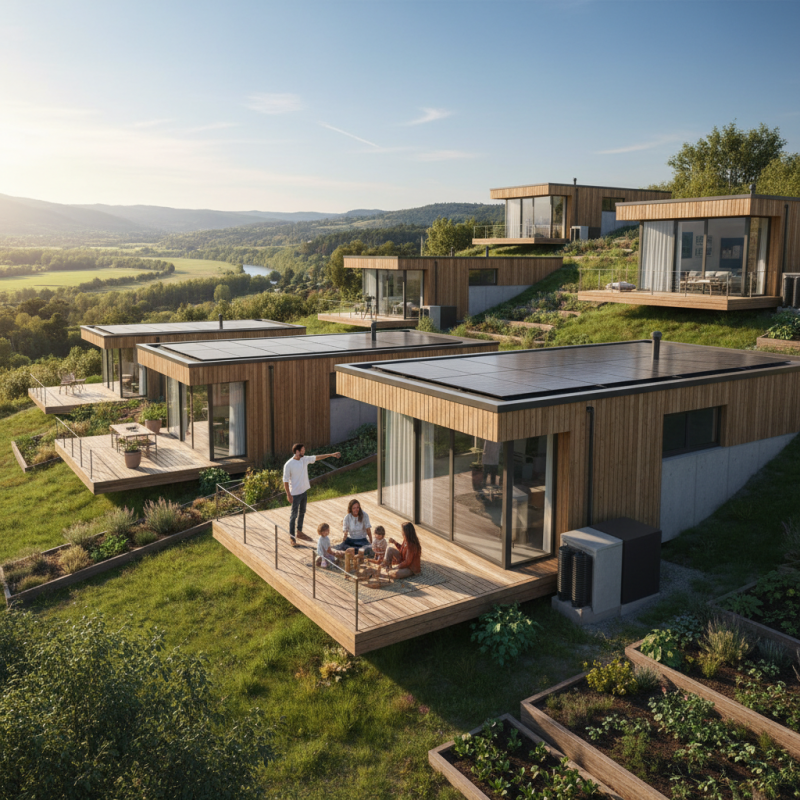
Benefits of Modern Modular Homes for Sustainable Living
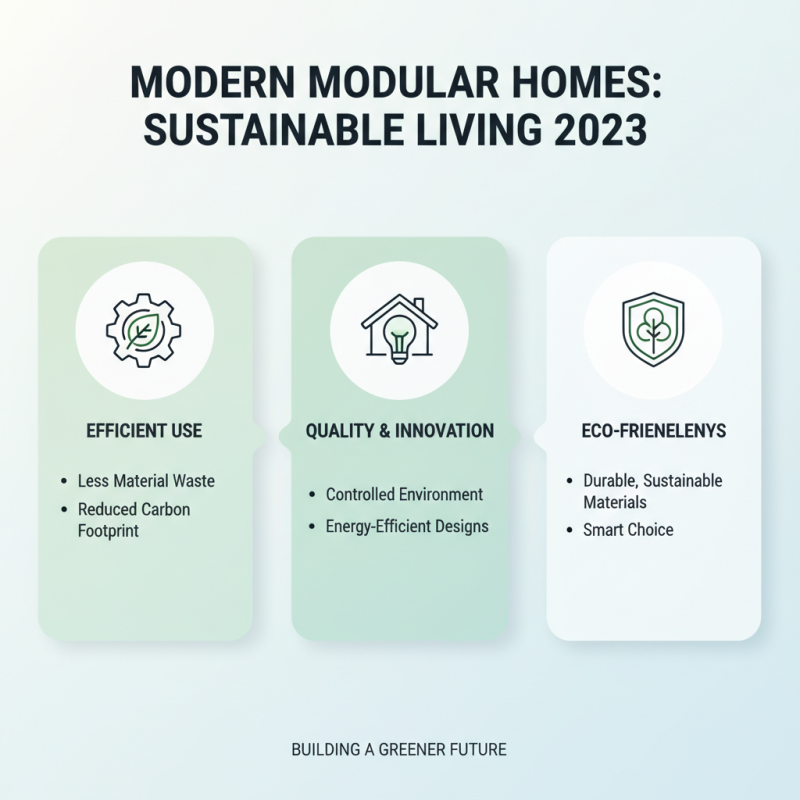
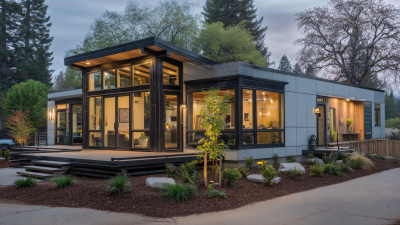
Modern modular homes are increasingly recognized for their contributions to sustainable living, particularly in 2023. One of the primary benefits of these homes is their efficient use of materials and energy. Constructed in a controlled environment, modular homes minimize waste generated during the building process. This not only reduces the carbon footprint associated with traditional construction methods but also allows for better quality control and innovation in energy-efficient designs. Using durable, sustainable materials further enhances their eco-friendliness, making them a smart choice for environmentally conscious homeowners.
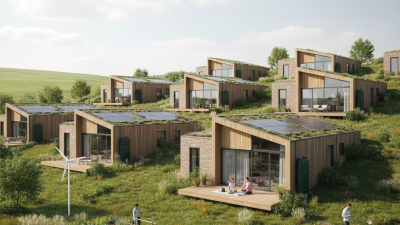
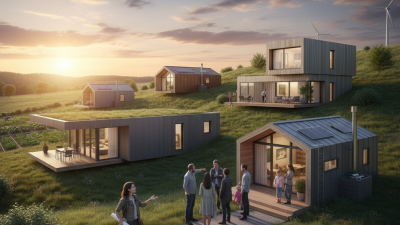
Another significant advantage of modern modular homes is their adaptability to various settings and preferences. These structures can be customized to suit different lifestyles, incorporating features such as solar panels, green roofs, or highly efficient insulation systems. This flexibility not only makes them suitable for diverse environments but also enables residents to reduce their ongoing energy consumption. By promoting a lifestyle that harmonizes with nature, modern modular homes offer a compelling solution for those looking to contribute to sustainability in their communities while enjoying the comforts of contemporary living.
Innovative Design Features Promoting Energy Efficiency
Modern modular homes are at the forefront of innovative design, particularly when it comes to energy efficiency. With the increasing demand for sustainable living, these homes incorporate cutting-edge technologies and materials that reduce energy consumption and environmental impact. Features such as improved insulation, high-performance windows, and smart home systems work in tandem to create living spaces that remain comfortable year-round while minimizing energy use. The modular construction process itself also contributes to sustainability, as it often results in reduced waste compared to traditional building methods.
Another significant aspect of modern modular homes is their ability to adapt to the surrounding environment and climate. Many designs utilize passive solar principles, strategically placing windows and overhangs to maximize natural light and heat gain during the winter while minimizing heat during the summer. Additionally, many modular homes are equipped with solar panels and energy storage systems, allowing homeowners to generate and store their own renewable energy. These forward-thinking design features not only promote a more sustainable lifestyle but also empower individuals to take control of their energy consumption, leading to long-term savings and a reduced carbon footprint.
Why Choose Modern Modular Homes for Sustainable Living in 2023
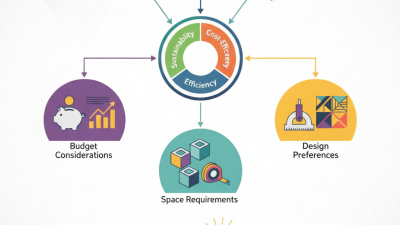
This chart illustrates the energy efficiency benefits of modern modular homes, highlighting insulation quality, solar panel installation, and efficient heating/cooling systems.
Environmental Impact of Modular Construction Practices
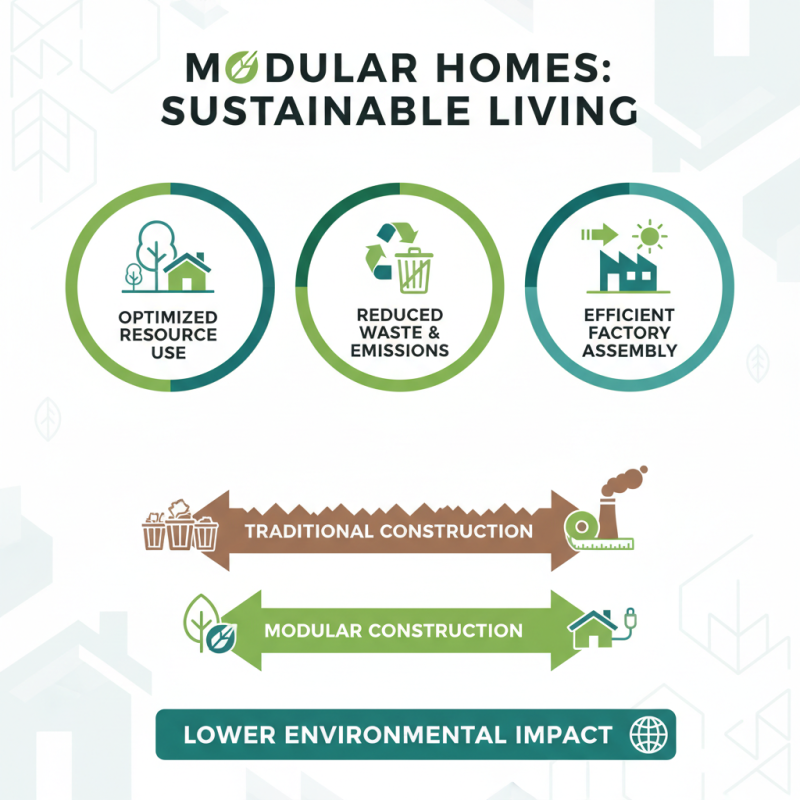
The environmental impact of modular construction practices has garnered significant attention in recent years, particularly as the world shifts towards sustainable living solutions. Modern modular homes are designed to optimize resource use, reduce waste, and minimize carbon footprints throughout their lifecycle. The construction process is often more efficient compared to traditional building methods, where excessive material waste and energy consumption are common. By utilizing prefabricated components that are built in controlled factory settings, modular homes can significantly lower environmental degradation while ensuring high-quality assembly.
Tips: When considering modular homes, look for companies that prioritize sustainable materials and renewable energy options in their designs. Incorporating energy-efficient systems, like solar panels or energy-efficient appliances, can further enhance the sustainability of your home.
Moreover, modular construction often allows for better insulation and energy performance due to precise manufacturing techniques. Homes built under these practices can significantly reduce energy consumption, which not only lowers living costs but also contributes positively to the environment. This innovation in home building enables homeowners to embrace a more eco-friendly lifestyle without sacrificing quality or comfort.
Tips: Research local building codes and sustainability certifications to ensure your modular home meets both your environmental goals and local regulations. Engaging with architects and builders experienced in sustainable practices can also provide valuable insights into maximizing your home’s green features.
Cost-Effectiveness and Affordability of Modular Homes
Modular homes have emerged as a leading choice for sustainable living, particularly due to their cost-effectiveness and affordability. According to a report from the National Association of Home Builders, the average cost of modular homes can be 10-30% lower than traditional site-built homes. This significant cost reduction is primarily due to the streamlined construction process, which minimizes labor expenses and construction time. Additionally, modular homes utilize industrial-grade materials that are often less expensive and more sustainable, reducing both upfront costs and long-term environmental impact.
When considering the financial benefits, it is crucial to take into account energy efficiency. Data from the U.S. Department of Energy indicates that modular homes can achieve energy savings of up to 20%, thanks to their superior insulation and optimized design. This results not only in lower utility bills but also in a reduced carbon footprint over the lifespan of the home. Homeowners can thus enjoy a dual benefit—financial savings along with environmental responsibility.
Tip: When evaluating modular home options, research local builders who emphasize sustainable practices and energy efficiency. Look for homes that offer Energy Star ratings, which can indicate superior energy performance.
Another financial advantage of modular homes is their durability and low maintenance needs, which can lead to cost savings over time. According to industry surveys, modular homes tend to require less maintenance compared to traditional homes, potentially saving homeowners thousands in repair and upkeep costs. This long-term affordability is a key factor for buyers seeking both immediate and future savings.
Tip: Consider financing options specifically tailored for modular homes, as they may offer favorable terms compared to traditional mortgages, providing an additional layer of cost-effectiveness.
Future Trends in Sustainable Modular Housing Solutions
The rise of modular homes signifies a transformative shift towards sustainable living, particularly as we venture deeper into 2023. Future trends in sustainable modular housing solutions reflect a growing emphasis on energy efficiency, the integration of renewable energy sources, and the utilization of eco-friendly materials. These homes are designed to be highly adaptable, allowing for the incorporation of advanced technologies that improve their overall sustainability, such as smart energy management systems and water-saving fixtures, making them not only practical but environmentally conscious.
Tips for choosing modern modular homes include focusing on energy-efficient designs that capitalize on natural light and ventilation. Potential buyers should also look for homes that utilize sustainable materials, such as recycled steel or reclaimed wood, which significantly reduce environmental impact. Additionally, always consider the potential for future upgrades; opting for modular homes that can easily integrate solar panels or smart home technology will enhance sustainability and comfort for years to come.
As we observe the evolving landscape of sustainable housing, it's clear that modular homes are at the forefront of innovation. The trend towards customizable and eco-conscious living spaces represents not just an architectural choice but a lifestyle commitment to reducing our carbon footprint. Exploring these modern solutions allows individuals and families to harmonize their living environments with the needs of our planet, paving the way for a more sustainable future.