Why Choose Modern Modular Homes for Sustainable Living and Affordability
As the quest for sustainable living intensifies, more homeowners are turning to modern modular homes as a viable solution that marries affordability with environmental responsibility. The modular construction sector has witnessed a significant surge, with reports indicating a growth rate of approximately 6% annually, driven by innovations in building technology and design. This movement aligns seamlessly with the global push towards sustainability, as modern modular homes utilize eco-friendly materials and energy-efficient construction practices that reduce waste and lower carbon footprints.
"Modern modular homes represent the future of residential living," asserts Dr. Emily Carter, a leading expert in sustainable architecture. She emphasizes that these homes not only promote a more sustainable lifestyle but also make homeownership more accessible for many families. The keys to their affordability lie in streamlined construction processes and reduced labor costs, which allow for high-quality homes to be produced at a fraction of the time and cost of traditional building methods.
Incorporating cutting-edge designs that cater to various family needs, modern modular homes exemplify the perfect blend of style and functionality. As economic pressures mount and environmental concerns escalate, the appeal of these innovative housing options will likely continue to grow, making them an essential consideration for future homebuyers seeking both sustainability and financial pragmatism.
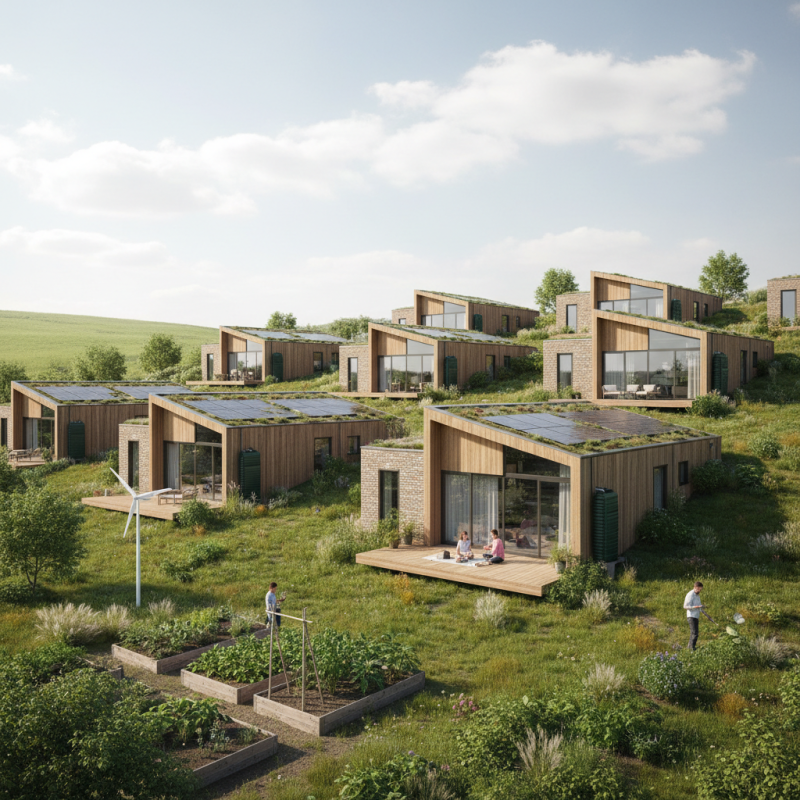
Benefits of Modern Modular Homes for Sustainable Living
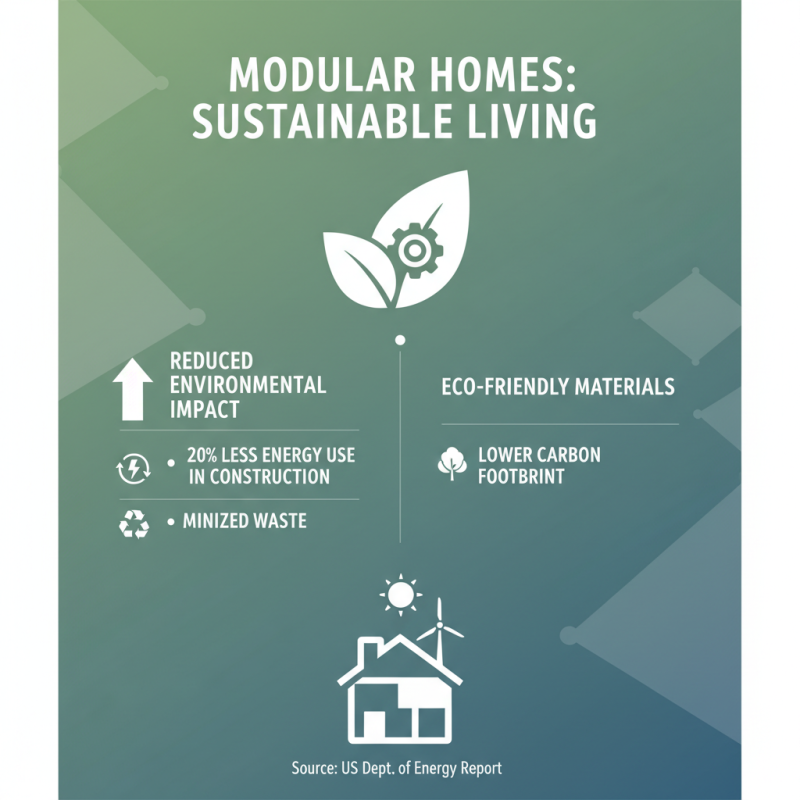
Modern modular homes have emerged as a compelling choice for individuals seeking sustainable living solutions while maintaining affordability. One of the primary benefits of these homes is their energy efficiency. According to the U.S. Department of Energy, modular homes are constructed in controlled environments, which reduces waste and improves energy efficiency. The precise building methods often lead to tighter seals, better insulation, and the integration of energy-efficient appliances, resulting in lower utility bills and reduced environmental impact. Some studies suggest that modular homes can be up to 20% more energy-efficient than traditional homes, making them an attractive option for eco-conscious buyers.
Additionally, modern modular homes are typically more sustainable in their construction practices. A report by the National Association of Home Builders indicates that modular construction can produce 60% less waste compared to conventional building techniques. This significant reduction in waste not only minimizes the carbon footprint associated with construction but also promotes a more sustainable approach to homebuilding. Furthermore, many modular homes are designed with sustainable materials, enhancing their environmental credentials. As the demand for sustainable housing solutions continues to grow, modular homes represent an innovative and responsible choice that balances ecological considerations with financial practicality.
Benefits of Modern Modular Homes for Sustainable Living
Cost-Effectiveness of Modular Homes Compared to Traditional Housing
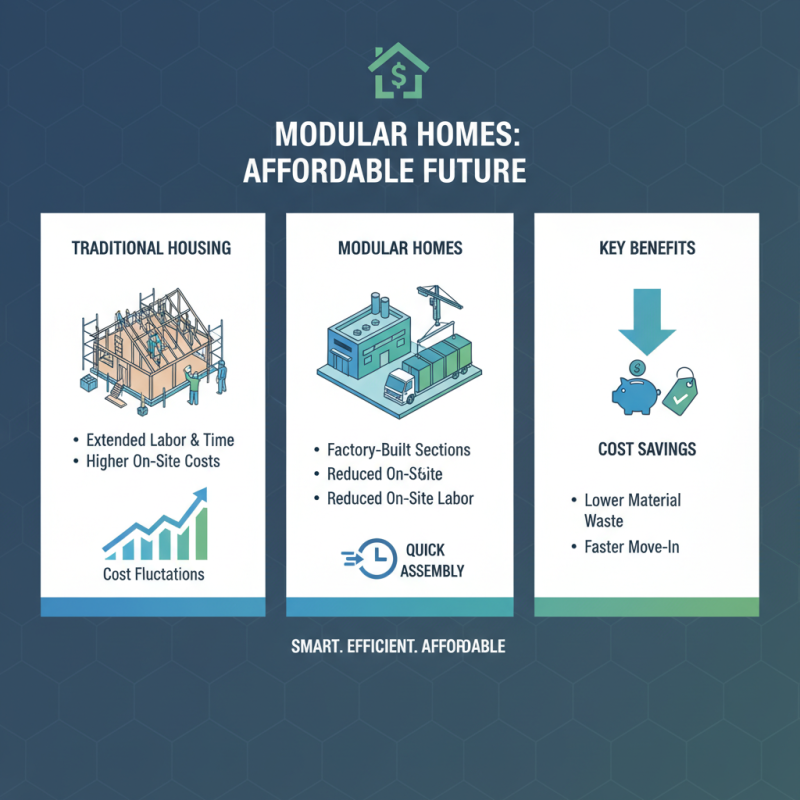
Modular homes have gained increasing popularity as a cost-effective alternative to traditional housing, and this shift is primarily driven by their affordability. Unlike conventional homes that require extensive labor and time, modular homes are constructed in sections within a factory environment, minimizing on-site labor costs and contributing to significant savings. These homes can be assembled quickly, reducing the overall timeline for construction, which not only saves money but also limits exposure to cost fluctuations in materials over lengthy projects.
Additionally, modular homes are designed with energy efficiency in mind, which leads to lower utility bills for homeowners over time. Many modular designs incorporate sustainable materials and modern technologies that reduce energy consumption, resulting in a smaller carbon footprint and lower operational costs. Furthermore, the reduced waste generated during the construction process enhances their affordability, making them an appealing choice for budget-conscious buyers. This combination of initial savings and long-term financial benefits positions modular homes as a practical solution for those seeking sustainable living options without compromising their financial goals.
Energy Efficiency Features of Modern Modular Homes
Modern modular homes have emerged as a leading choice for those seeking sustainable living solutions due to their inherent energy efficiency features. According to the U.S. Department of Energy, homes built with modular construction methods can achieve up to 60% more energy efficiency than traditional site-built homes. This is largely attributed to their superior insulation, airtight construction, and advanced energy systems. The modular building process allows for tighter seals and less energy loss, which can significantly reduce heating and cooling costs over time.
In addition to structural benefits, many modern modular homes are equipped with energy-efficient appliances, solar energy systems, and smart home technology. A report by the National Renewable Energy Laboratory highlights that integrating renewable energy sources can result in energy savings of approximately 30-40% for households. This combination of features not only protects the environment but also makes these homes incredibly cost-effective. By optimizing energy consumption, modern modular homes address two critical concerns: affordability for owners and a reduced carbon footprint, making sustainable living more accessible for a broader audience.
Customization Options for Modular Homes to Fit Individual Needs
Modern modular homes offer a remarkable solution for sustainable living while providing options for affordability. One of the key advantages of modular homes is their high degree of customization. According to a report by the Modular Building Institute, approximately 90% of modular homeowners express satisfaction with their ability to tailor their homes to individual preferences. This customization allows residents to create a living space that reflects their unique lifestyle and needs, whether that means open-concept layouts, energy-efficient upgrades, or specific finishing touches.
In terms of sustainability, many modular homes are designed with eco-friendly materials and features, which can also be selected during the customization process. A study from the National Association of Home Builders revealed that homes built with modular methods can use up to 50% less energy than traditional construction, thanks to better insulation and advanced building techniques. This not only reduces environmental impact but also leads to significant savings on utility bills, further enhancing the affordability aspect. Homeowners can choose from various green technologies, including solar panels, energy-efficient appliances, and sustainable building materials to make their home truly their own.
The Role of Modular Homes in Reducing Environmental Impact
Modular homes are increasingly recognized for their potential to significantly reduce environmental impact while promoting sustainable living. According to a report by the U.S. Department of Energy, modular construction can reduce energy use during construction by up to 20% compared to traditional building methods. This efficiency is achieved through optimized manufacturing processes that minimize waste, as components are built in controlled factory environments where material usage can be precisely monitored. Moreover, studies indicate that modular homes can be constructed with eco-friendly materials, further decreasing their carbon footprint.
The environmental advantages of modular homes extend beyond their construction phase. The National Association of Home Builders (NAHB) highlights that modular homes can be designed to integrate renewable energy sources, such as solar panels, which can lead to an annual reduction of carbon dioxide emissions by nearly 3,000 pounds per home. Additionally, the energy-efficient designs often employed in modular homes can result in a 30% to 50% reduction in energy consumption throughout their lifecycle. This holistic approach not only showcases modular homes as an affordable option for many but also positions them as a vital player in the journey toward sustainable living solutions.