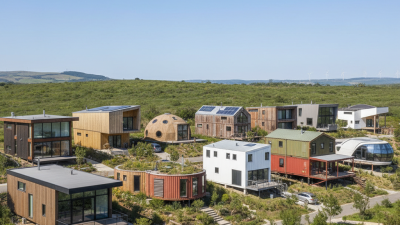
What is Modern Modular Homes and Why Are They Popular?
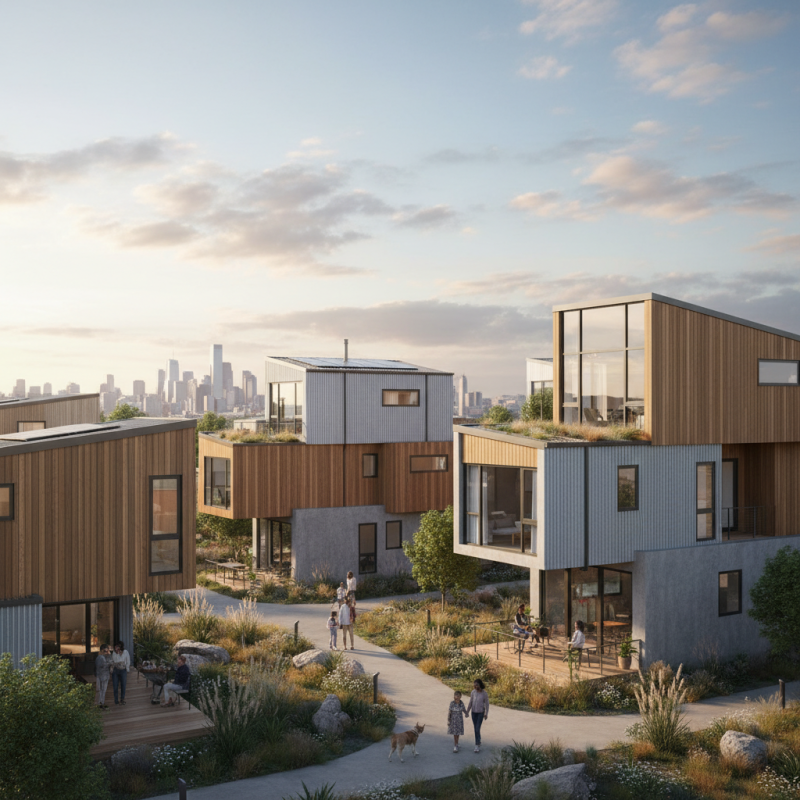
Modern modular homes are reshaping the housing landscape. These homes are built using pre-fabricated sections. This method allows for quicker construction times and often lower costs. As urbanization increases, the demand for efficient living spaces rises.
People appreciate modern modular homes for their sleek designs. Many options allow for customization and personal expression. These homes also promise sustainability. Energy-efficient materials and techniques often feature prominently in their construction.
Yet, despite their many advantages, some challenges remain. Potential buyers may worry about long-term value or resale potential. Understanding the nuances of modern modular homes can help solve these issues. Engaging with experts and real-life experiences can provide clarity in this evolving market.
What are Modern Modular Homes?
Modern modular homes represent a shift in construction that emphasizes efficiency and adaptability. These homes are built in sections, or modules, in a factory setting. This method reduces construction time and minimizes waste. Homebuyers can choose custom designs, colors, and materials. This flexibility allows them to express their unique styles while benefiting from streamlined processes.
One significant appeal of modern modular homes is their sustainability. Many modular designs incorporate energy-efficient features, such as high-quality insulation and smart technology. These homes often utilize eco-friendly materials, reducing their environmental footprint. However, there can be challenges. Not every module meets local regulations, leading to potential delays in approvals. Homebuyers must navigate this complexity to ensure compliance.
Affordability is another reason for the rising popularity of modular homes. They typically cost less than traditional homes, offering a viable alternative for many. However, price variations can occur based on location and customization choices. Buyers must carefully evaluate their options to avoid unexpected expenses. The journey to owning a modular home is exciting but requires thorough research and consideration.
Popularity Factors of Modern Modular Homes
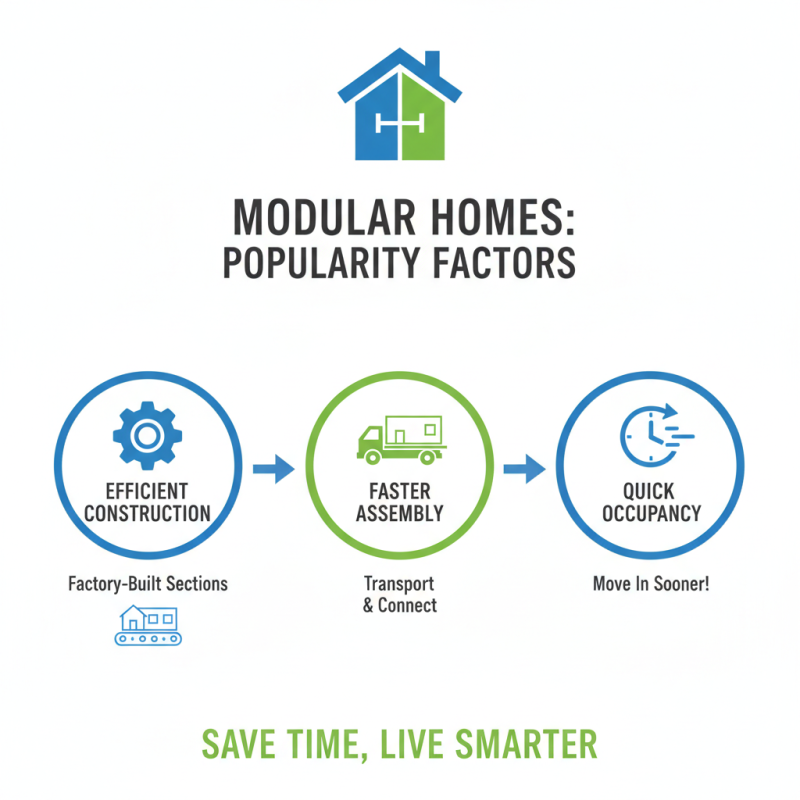
This chart illustrates the key factors contributing to the increasing popularity of modern modular homes, rated on a scale from 1 to 10. High ratings indicate significant importance in making these homes a preferred choice among buyers.
Key Features of Modern Modular Homes
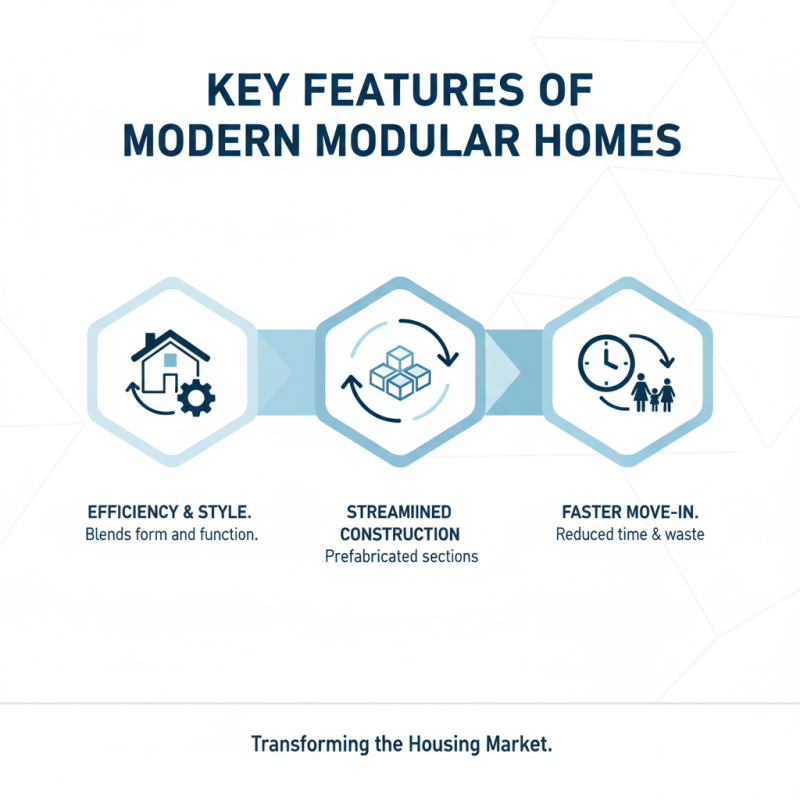
Modern modular homes are transforming the housing market. They offer a blend of efficiency and style, attracting homeowners across the globe. The construction process is streamlined, using prefabricated sections. This method reduces waste and minimizes construction time. Families can move in quickly without waiting months.
One key feature is customization. Homebuyers can choose layouts and finishes to suit their lifestyle. This flexibility allows for personalization, something traditional homes often limit. However, achieving the perfect design can be challenging. It requires careful planning and consideration of future needs.
Sustainability is another significant aspect. Many modern modular homes use eco-friendly materials. They often incorporate energy-efficient systems that reduce utility bills. Yet, some may overlook the long-term impacts of these choices. Regular maintenance and updates are necessary to ensure lasting efficiency. Each decision shapes not just a home, but a lifestyle.
Benefits of Choosing Modular Homes
Modern modular homes have gained traction for several compelling reasons. One significant advantage is the efficiency in construction. According to a report by the National Association of Home Builders, modular homes can be built in 30% less time compared to traditional methods. This speed not only reduces labor costs but also minimizes exposure to weather-related delays.
Energy efficiency is another major benefit. A study from the U.S. Department of Energy emphasizes that modular homes often achieve superior insulation. This can lead to energy savings of up to 20%, resulting in lower utility bills over time. Moreover, many modular designs incorporate sustainable materials, appealing to environmentally conscious buyers.
However, some buyers express concerns about customization. While modular homes offer flexibility, certain structural changes may be limited. Prospective homeowners should thoroughly review design options and build limitations. Additionally, market perceptions can vary, affecting resale values. Buyers might encounter disparities in how modular homes are valued compared to traditional homes.
Future Trends in Modular Home Construction
Modular homes are gaining traction in the housing market due to their efficiency and sustainability. Recent reports indicate that the modular home industry is expected to grow by 6% annually. This growth is driven by increasing consumer demand for quality and cost-effective housing solutions. Many buyers appreciate the ability to customize their homes without the lengthy construction times associated with traditional building methods.
Future trends suggest an increased focus on eco-friendly materials. A 2022 study found that 75% of homebuyers prioritize sustainability in their purchasing decisions. Builders are now incorporating recycled materials and energy-efficient technologies. These practices not only reduce carbon footprints but also lower utility costs for homeowners. However, challenges remain. The perception of modular homes as inferior persists in some regions. This stigma can hinder growth, making it essential for builders to highlight the quality and benefits of these homes effectively.
Smart technology integration is another emerging trend. As consumers seek convenience, smart home features are becoming standard in modular designs. Reports indicate that homes equipped with smart systems can increase resale value by up to 20%. However, with rapid advancements, staying updated can be overwhelming for builders. Balancing innovation with affordability will be crucial in ensuring modular homes remain a desirable option for future homeowners.