What are Modular Homes and How Do They Work?
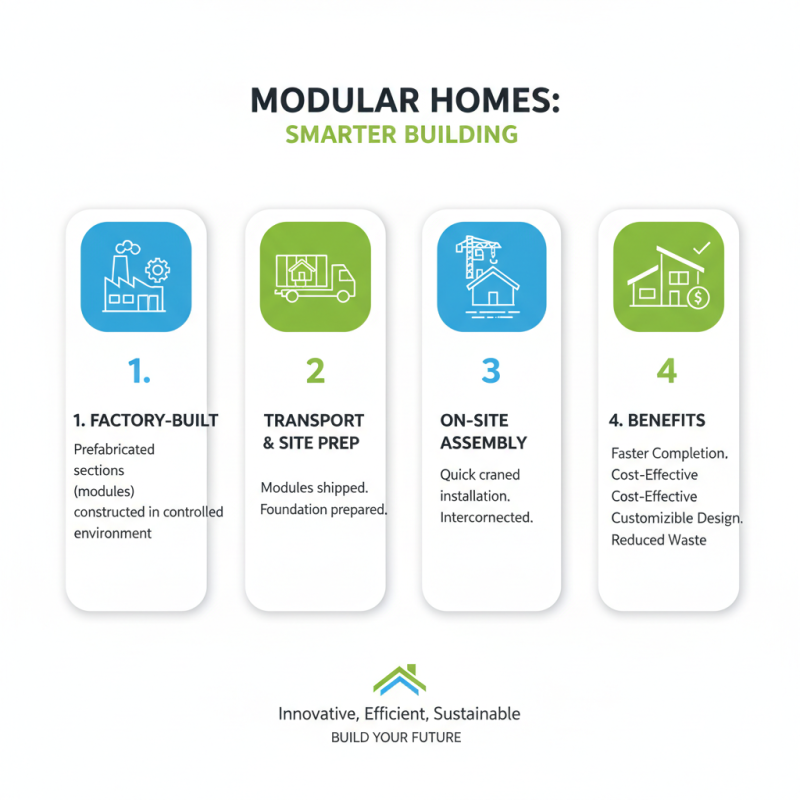
Modular homes are changing the way we think about housing. These unique structures are built in sections, or modules, in a factory setting. Once completed, the modules are transported to the building site and assembled on a foundation. This method offers efficiency and flexibility, appealing to many homebuyers.
The construction of modular homes is usually faster than traditional houses. Skilled laborers work on several modules simultaneously. This can reduce time spent waiting for contractors. However, some might question the quality compared to site-built homes. There are also concerns about design limitations, as modular homes often come with preset layouts.
However, the benefits are compelling. Modular homes can be customized to suit personal tastes. They are often more affordable due to lower construction costs. Moreover, they can be more sustainable, as factories can minimize waste. Yet, buyers should carefully consider options. Making the right choice requires thorough research and reflection.
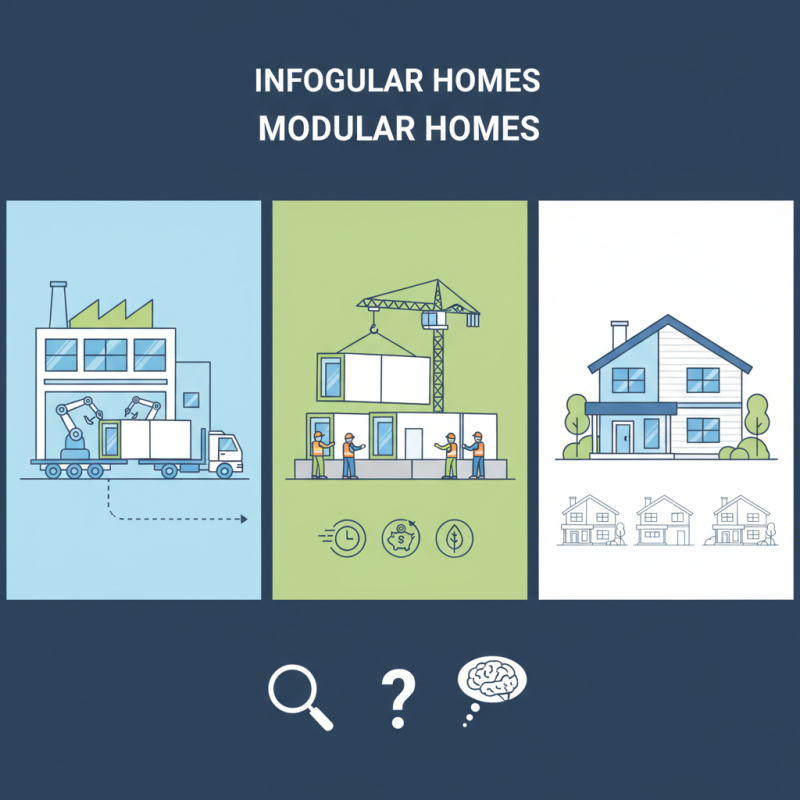
Definition of Modular Homes and Their Unique Features
Modular homes are unique structures built in sections or modules. These sections are pre-fabricated in factories and then transported to the site. Once on-site, they are assembled quickly, which can save time and reduce costs compared to traditional building methods. Modular homes are not just simple boxes. They can be stylish and customized according to individual preferences.
One defining feature of modular homes is their energy efficiency. Many designs incorporate sustainable materials and modern insulation. This makes them appealing to environmentally conscious buyers. However, potential homeowners should carefully consider layout choices and local building codes. Not all designs fit every plot of land effectively.
Another aspect is their flexibility. Modular homes can expand easily if needed, adding rooms or stories down the line. Yet, this can lead to challenges in consistency between old and new sections. Each piece must blend well for a cohesive look. Ultimately, modular homes offer innovative solutions but require thoughtful planning to ensure they meet long-term expectations.
The Construction Process of Modular Homes Explained
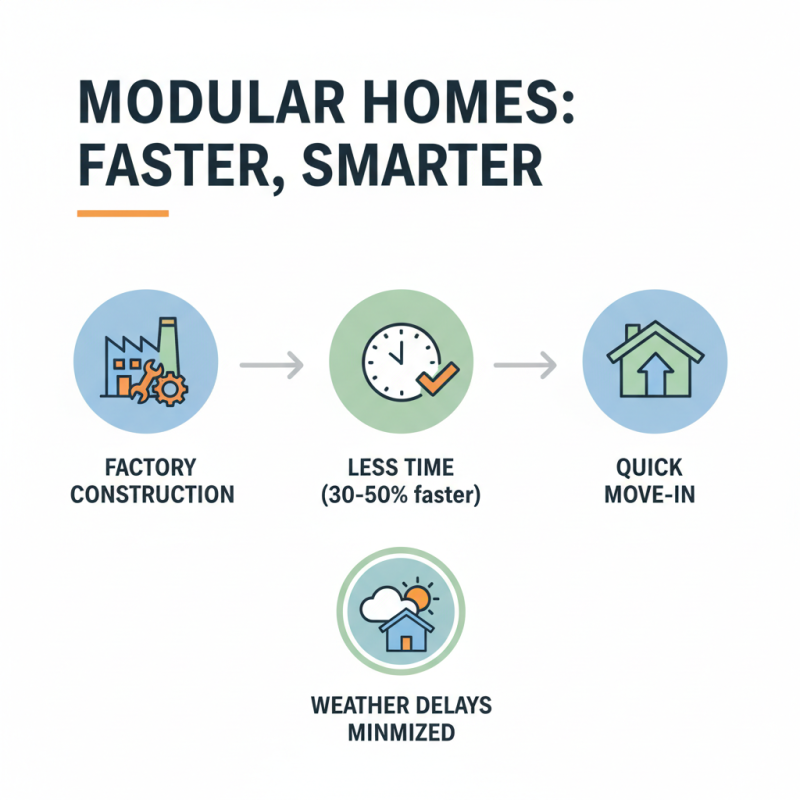
The construction process of modular homes is both efficient and innovative. Modular homes are built in sections, or “modules,” at a factory. Each module is then transported to the building site for assembly. This method drastically reduces build time. According to the Modular Building Institute, modular construction can cut construction time by up to 50%.
The process begins with design and planning, where architects and engineers work closely with clients. After finalizing designs, modules are constructed simultaneously in a factory. This controlled environment helps maintain quality, but it requires precise measurements to prevent issues onsite. Challenges may arise, like miscommunication during the design phase.
Once the modules are completed, they are transported. A crane typically lifts the modules into place. Proper site preparation is crucial here; otherwise, it can lead to delays. Statistics show that modular homes use 60% less waste compared to traditional builds. However, not all builders are familiar with this approach. Ongoing education and training are essential for maximizing the benefits of modular construction.
Advantages of Choosing Modular Homes Over Traditional Homes
Modular homes are gaining popularity for several reasons. One significant advantage is the speed of construction. Unlike traditional homes, modular homes can be built in the factory. This process often takes less time than on-site construction. As a result, homeowners can move in quicker. Additionally, modular homes are typically less susceptible to weather delays.
Cost efficiency is another compelling factor. Building modular homes often reduces labor costs. The streamlined process minimizes waste, leading to financial savings. However, it’s essential to consider the initial investment and ongoing maintenance. Some may find financing options for modular homes less flexible. This point is something to reflect upon when deciding.
Customization is achievable with modular homes, but it varies by manufacturer. Options may be limited compared to traditional homes. Buyers should ensure their vision aligns with available designs. Not all modular homes will meet unique tastes. Therefore, thorough research is crucial. The journey to owning one can bring excitement, but also challenges that require careful thought.
Understanding the Different Types of Modular Home Designs
Modular homes come in several designs, each offering unique features and benefits. These homes are prefabricated in sections and assembled on-site. According to the Modular Building Institute, modular construction can shorten building time by up to 30%. This efficiency is appealing to many homebuyers, yet some still hesitate.
One popular design is the multi-section modular home. This option typically consists of two or more modules. They create spacious living areas and allow for more complex floor plans. The average size of these homes can range from 1,500 to 2,500 square feet. Some homeowners might find them less customizable compared to traditional builds.
Another type is the single-section modular home. These simpler structures are often more affordable and suitable for small lots. They usually offer efficient layouts, maximizing space in a compact design. However, buyers should be cautious as some single-section models may lack design variety. In a growing market, modular homes provide innovative solutions. Yet, it’s essential to weigh the pros and cons before making a decision.
Types of Modular Homes and Their Popularity
This chart illustrates the popularity of different types of modular homes based on recent surveys. Ranch and Two-Story designs are the most preferred types among consumers, accounting for over half of the market preference.
Key Considerations When Purchasing a Modular Home
When considering a modular home, several key factors come into play.
Location is crucial. Check local zoning laws to ensure modular homes are permitted in your area. This can vary significantly from one location to another. Proximity to schools, shopping, and hospitals can impact your daily life.
Next, think about design choices. Modular homes offer various styles and layouts. However, you might have limited options compared to traditional homes. Some layouts may not fit your vision perfectly. It's essential to prioritize your needs and make informed choices.
Budget considerations are also vital. While modular homes are often more affordable, hidden costs can arise. Installation, land purchase, and utilities can add up. Always review contracts carefully. Reflect on your financing options, as they can influence your overall cost. An informed decision will help avoid potential regrets down the line.