What Are Pre Manufactured Homes and Their Benefits?
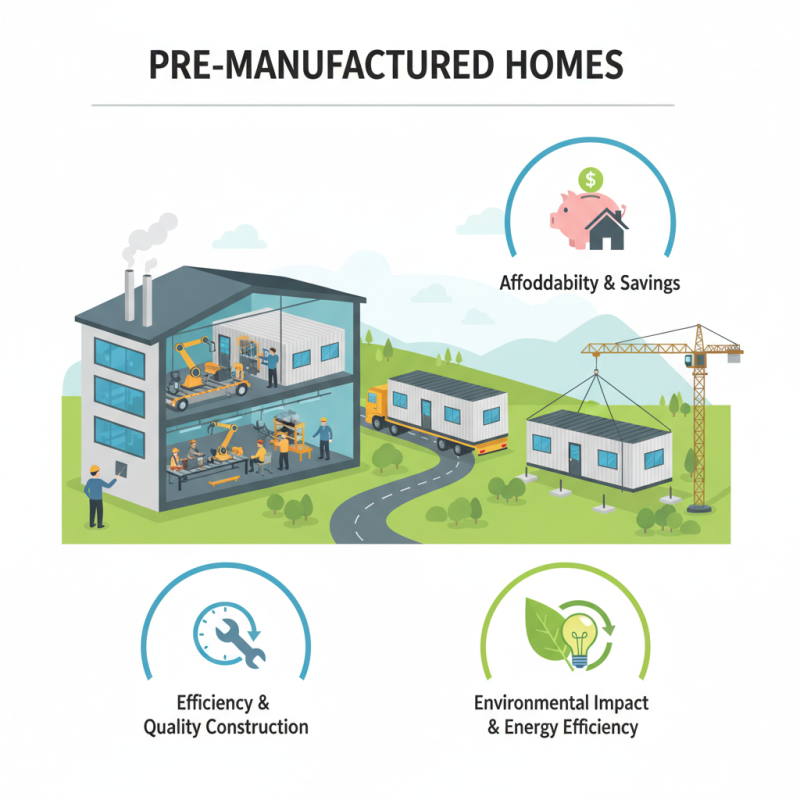
Pre manufactured homes represent a modern solution to housing challenges. These homes are built in factories before being transported to a permanent site. They offer flexibility and affordability, appealing to many buyers. The construction process of pre manufactured homes is efficient, often resulting in quicker occupancy.
Many people may wonder if pre manufactured homes can offer the same quality as traditional homes. Some doubt durability and customization options. However, these homes often exceed local building codes and can be designed to meet individual needs. They are becoming an attractive option for families, retirees, and first-time buyers alike.
Choosing pre manufactured homes can also mean lower environmental impact. Their construction typically generates less waste compared to traditional building methods. Energy-efficient features are often available, reducing monthly bills. Investing in these homes can lead to significant savings over time.
Overview of Pre-Manufactured Homes and Their Types
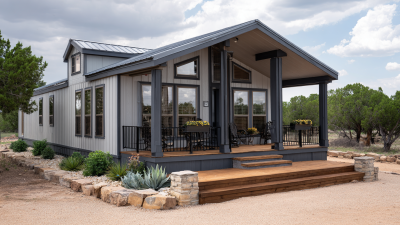
Pre-manufactured homes are built in factories. They are then transported to the site for assembly. These homes come in various types, including modular, manufactured, and panelized homes. Each type has unique features and benefits.
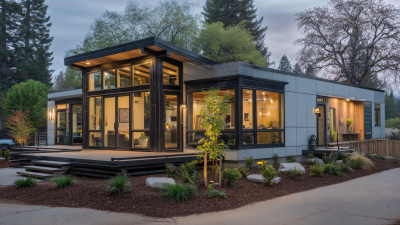
Modular homes are constructed in sections. After delivery, these sections are combined to form a complete house. They allow for custom designs and can range from small to large. Manufactured homes are built on a permanent chassis. They are often more affordable but may have limitations on size and customization options. Panelized homes use pre-cut materials that are assembled on-site, offering flexibility in design.
The main benefit of pre-manufactured homes is efficiency. Construction time is usually shorter than traditional homes. Nevertheless, quality control can sometimes be a concern. Homeowners may face zoning restrictions, which can delay the process. It’s essential to research local regulations before making a decision.
Historical Development of Pre-Manufactured Homes in the Housing Market
The historical development of pre-manufactured homes is fascinating. In the early 20th century, these homes emerged as a solution to housing shortages. Factories began producing sections of homes. These sections could be transported easily and assembled on-site. This approach reduced construction time and costs significantly.
As demand grew, designs evolved. By the 1950s, pre-manufactured homes were widely popular. They offered an attractive alternative to traditional housing. Many families appreciated the affordability and efficiency. Yet, some viewed these homes as temporary solutions. This perception limited their acceptance in the mainstream market.
Today, pre-manufactured homes continue to adapt. New technologies improve safety and efficiency. However, the stigma persists for some. Understanding the history can help shift views about these homes. There’s a growing movement toward sustainable living. Pre-manufactured homes can play a vital role in that journey. Many people still need to learn about their potential benefits.
Economic Advantages: Cost-Effectiveness of Pre-Manufactured Homes
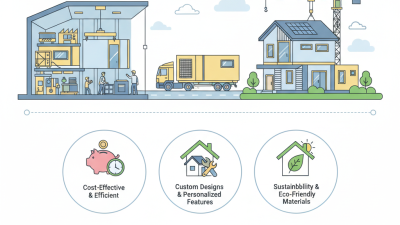
Pre-manufactured homes, often called modular or factory-built homes, offer significant economic advantages. According to the U.S. Department of Housing and Urban Development, these homes can be up to 20% cheaper than traditional builds. Lower construction costs are primarily due to streamlined production processes. Factories can leverage economies of scale, which reduces labor and material expenses, translating to lower prices for buyers.
Moreover, pre-manufactured homes can also reduce time on the market. Construction typically takes less than half the time compared to traditional homes. A report by Harvard’s Joint Center for Housing Studies highlights that faster completion means quicker occupancy, which ultimately can increase rental income or reduce monthly mortgage expenses. However, some buyers may encounter financing challenges. Not all lenders are familiar with pre-manufactured home financing. This can create hurdles that need addressing.
Location plays a crucial role as well. While these homes are cost-effective, land prices can vary greatly. In certain areas, land costs may offset the savings of the home itself. It's a critical factor for prospective buyers to consider. Balancing these aspects can lead to savings, but it requires thorough research.
Sustainability Benefits: Eco-Friendly Aspects of Pre-Manufactured Housing
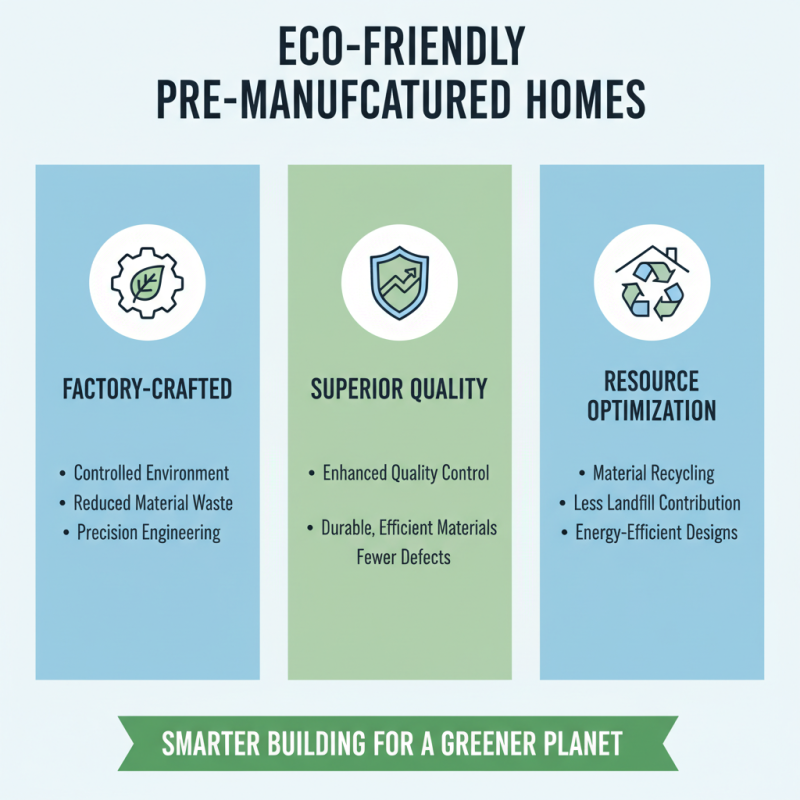
Pre-manufactured homes stand out for their eco-friendly aspects. These homes are crafted in a controlled factory environment. This leads to reduced waste compared to traditional building methods. Quality control improves, too, ensuring better materials are used. Builders can recycle excess materials, cutting down on landfill contributions.
Sustainability also shines through energy efficiency. Many pre-manufactured homes come equipped with energy-saving features. These can include better insulation and energy-efficient appliances. By utilizing natural materials, these homes maintain lower energy consumption over their lifetime.
Tips: Choose a design that maximizes natural light. This reduces the need for artificial lighting. Consider solar panels in your plans. They can lower electricity bills and benefit the environment. When shopping for pre-manufactured options, seek out local resources. Supporting local suppliers minimizes transportation emissions. Every little choice contributes to a more sustainable future.
Quality and Safety Standards in Pre-Manufactured Home Construction
Pre-manufactured homes are built under strict regulations. Quality and safety standards play a crucial role in their construction. According to a report by the U.S. Department of Housing and Urban Development (HUD), these homes must meet specific building codes. These codes ensure structural integrity and safety for occupants.
Manufacturers are required to adhere to safety protocols during construction. This minimizes risks associated with traditional building methods. However, challenges still exist. Some manufacturers might cut corners, resulting in compromised quality. A recent study found that about 30% of pre-manufactured homes faced quality issues upon inspection. This raises concerns about industry oversight.
Quality assurance is essential throughout the building process. Regular inspections can help identify defects early. A combination of experienced labor and modern technology can improve outcomes. However, not all companies prioritize these measures. Buyers should research manufacturers before purchase. Understanding industry standards can lead to better decisions.
What Are Pre Manufactured Homes and Their Benefits?
| Feature |
Description |
Benefits |
| Cost Efficiency |
Generally lower construction costs compared to traditional homes. |
Allows for affordability and reduced financial burden. |
| Speed of Construction |
Manufactured homes can be constructed in less time due to factory assembly. |
Quickly move in and start enjoying your new home. |
| Quality Control |
Built in controlled environments adhering to strict industry standards. |
Consistency in quality and fewer construction defects. |
| Energy Efficiency |
Designed with energy-efficient materials and systems. |
Lower utility bills and a reduced environmental footprint. |
| Flexibility and Customization |
Various layouts and styles to choose from and customize. |
Personalization makes it feel like home. |