Why Choose Prebuilt Homes for Your Next Construction Project?
In recent years, the construction industry has seen significant shifts towards prebuilt homes. According to a report by the National Association of Home Builders, prebuilt homes can reduce construction time by up to 40%. This efficiency appeals to many homeowners and contractors alike, looking to streamline their projects.
Prebuilt homes offer several advantages, including cost savings and predictable timelines. A study from the MIT Center for Real Estate notes that these homes can be constructed with less waste, making them environmentally friendly. However, there are challenges, such as customization limits and potentially higher initial costs.
The demand for prebuilt homes continues to grow, driven by both efficiency and sustainability. As this trend evolves, understanding both the benefits and drawbacks is vital. It is essential to weigh these factors carefully when planning your next construction project.
Benefits of Prebuilt Homes for Efficiency and Cost-Effectiveness
When considering your next construction project,
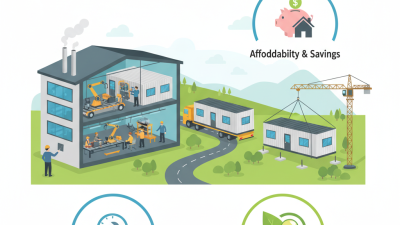
prebuilt homes offer significant advantages. These structures are designed and manufactured off-site,
which can lead to remarkable time savings. Traditional building often slows down
due to weather delays and other factors. Prebuilt homes, however, can be assembled quickly
on-site, reducing the overall timeline of the project.
One of the standout benefits is cost-effectiveness.
Prebuilt homes often come with fixed pricing, simplifying budgeting.
Unexpected expenses frequently arise in traditional construction, but prebuilt homes minimize this risk.
You can plan your finances better, ensuring the project stays on track.
Tips: Always evaluate the quality of materials used in prebuilt homes.
Quality impacts longevity and maintenance costs. Research your local regulations too;
understanding zoning laws can prevent future headaches. Lastly, visit existing prebuilt homes
to gain insights. Observing how they stand up to time and elements can inform your decision.
It's crucial to weigh both the visual appeal
and the practicality of your choice.
Understanding the Construction Process of Prebuilt Homes
Prebuilt homes are an innovative solution in the construction industry. The construction process of these homes is often faster and more efficient compared to traditional building methods. According to a report from the National Association of Home Builders, prebuilt homes can save up to 30% on construction time. This speed results from streamlined manufacturing processes and reduced on-site labor.
While the process sounds straightforward, it's essential to understand a few key aspects. Prebuilt homes are typically built in sections, called modules, within a factory setting. Once completed, these modules are transported to the site for assembly. This method minimizes exposure to weather-related delays, ensuring a more reliable timeline.
**Tip:** When considering prebuilt homes, always verify the manufacturer's reputation. Research their previous projects and customer feedback.
Despite the many advantages, challenges can arise. Site preparation is crucial, and any delays here can affect the overall timeline. Additionally, local regulations may vary, requiring careful navigation. Ensure that you consult with professionals familiar with local building codes.
**Tip:** Budget extra time for site inspections and permits. These can significantly impact your project's schedule and cost.
Comparing Prebuilt Homes to Traditional Construction Methods
Prebuilt homes have gained popularity recently. They offer a quicker and often more cost-effective solution compared to traditional construction methods. With traditional builds, the process can stretch over many months or even years. Prebuilt homes can be delivered in a matter of weeks. This speed can be crucial for families needing a home quickly.
However, it’s essential to consider your specific needs. Not every prebuilt option suits every lifestyle. Customization may be limited compared to traditional construction. Homebuyers should also evaluate long-term value. Prebuilt homes are generally built to modern standards, but quality can vary. Checking the builder’s reputation is important.
Tips: Think about your family’s future needs. Will the space be adequate as kids grow? Also, research local zoning laws. Some areas have restrictions on prebuilt homes. Lastly, visit a prebuilt home if possible. Walk through and feel the layout. This way, you can truly imagine living there. Making a well-informed decision can lead to a happier home life.
Why Choose Prebuilt Homes for Your Next Construction Project? - Comparing Prebuilt Homes to Traditional Construction Methods
| Aspect |
Prebuilt Homes |
Traditional Construction |
| Construction Time |
3-6 months |
6-12 months |
| Cost Efficiency |
Lower upfront costs |
Higher upfront costs |
| Customization Options |
Moderate |
High |
| Quality Control |
High (factory conditions) |
Variable (site conditions) |
| Environmental Impact |
Generally lower |
Higher due to waste |
| Resale Value |
Stable |
Often higher |
| Site Preparation |
Minimal |
Extensive |
Customization Options Available in Prebuilt Home Designs
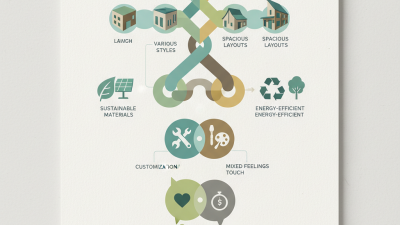
When considering prebuilt homes, customization options are one of the most appealing aspects. Homebuyers can choose designs that fit their lifestyle. This flexibility is significant for those seeking unique characteristics in their living space. Options range from floor plans to interior finishes, allowing homeowners to create a tailored environment.
Think about kitchen layouts. You might prefer an open concept or a traditional design. Maybe you love bright colors for the kitchen cabinets. Prebuilt homes allow these choices, ensuring the space reflects personal taste. Choosing the right materials adds another layer of customization. You can select environmentally friendly options or go for luxury touches.
However, customization can come with challenges. Some buyers may feel overwhelmed by options. It's essential to strike a balance between personal preferences and practicality. Not all designs will fit within the budget or construction timeline. Reflecting on these details can lead to a more satisfying outcome. Through prebuilt homes, you can enjoy both individuality and practicality.
Environmental Impact and Sustainability of Prebuilt Homes
Prebuilt homes are gaining traction as sustainable construction options. They often generate less waste during production, contributing to a reduced environmental footprint. According to the National Association of Home Builders, prefabrication techniques cut waste by up to 30%. This efficiency not only conserves resources but also reduces landfill usage. The materials used, such as sustainably sourced timber or recycled steel, further enhance their eco-friendliness.
The energy efficiency of prebuilt homes is another significant advantage. A study from the U.S. Department of Energy shows that these homes can reduce energy use by 20% to 40% compared to traditional builds. This is largely due to superior insulation and energy-efficient design. Buyers are drawn to these features, recognizing the long-term savings on utility bills. However, not all prebuilt homes meet sustainability standards, necessitating careful selection and research.
Water usage during construction is also a concern. Prebuilt homes can use 50% less water when constructed in controlled environments. Yet, the industry still faces challenges with quality control and regulation compliance. Observations indicate that not all manufacturers adhere strictly to sustainable practices. Homebuyers must scrutinize the environmental credentials of builders to ensure their investments align with sustainable living goals.