Are Prefab Units the Future of Global Procurement?
The construction industry is undergoing a significant transformation. Prefab units are emerging as a viable solution for global procurement challenges. According to a report by Grand View Research, the global prefab construction market is expected to reach $156 billion by 2028. This growth indicates a rising acceptance of prefab units across various sectors.
Industry expert Dr. Emily Chang states, “Prefab units improve efficiency and reduce waste significantly.” Her insights highlight the potential benefits of adopting this technology. Many companies are now exploring prefab units to meet tight deadlines and budget restrictions. However, challenges remain, including quality control and integration with traditional construction methods.
As the industry evolves, questions arise. Are prefab units truly the future of procurement? The focus must shift to addressing the limitations of prefab technology. Companies need to ensure quality and standards as they scale operations. With careful planning and innovation, prefab units may reshape the landscape of global construction in unforeseen ways.
The Rise of Prefab Units in Global Procurement Practices
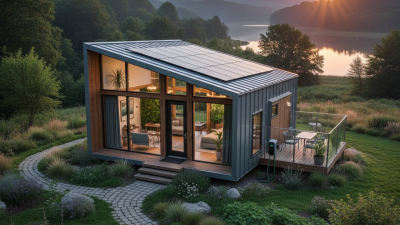
Prefab units are gaining traction in global procurement. This trend responds to rising demand for efficient construction and fast delivery. With urbanization, businesses seek quick solutions. Prefab units offer standardized designs that can be tailored to specific needs. These units are often manufactured off-site, reducing on-site construction time.
However, this approach is not without challenges. Quality control can become an issue when units are mass-produced. There may be inconsistencies between batches, leading to potential problems on-site. Additionally, integrating prefab units into existing supply chains requires careful planning. Companies must ensure compatibility with conventional construction methods.
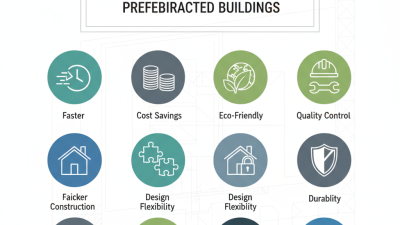
Despite these obstacles, the benefits of prefab units are evident. They enable cost savings and lower labor requirements. Projects can be completed in a fraction of the time. As procurement practices evolve, exploring prefab options may redefine efficiency in construction. It's crucial for professionals to evaluate both benefits and drawbacks before making a shift.
Evaluating the Cost Efficiency of Prefab Units in Supply Chains
Prefab units are transforming global supply chains. Their cost efficiency plays a critical role in streamlining procurement processes. By leveraging factory-based production, companies reduce labor costs and minimize material waste. This shift allows for better resource allocation and often results in faster delivery times.
However, relying on prefab units may come with drawbacks. Not all products translate well into a prefab format, leading to potential limitations in customization. Additionally, companies must ensure quality control remains stringent across different manufacturing sites. The initial investment might deter some businesses, despite long-term savings.
The perceived reliability of prefab units can also vary. Different markets show a mixed appetite for this approach. While some embrace the efficiency, others remain hesitant. Understanding local demands and adapting to different procurement environments is essential. Balancing these factors is crucial for long-term success in adopting prefab units in global procurement strategies.
Sustainability Considerations: Prefab Units and Environmental Impact
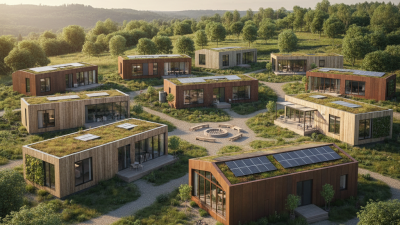
Prefab units have gained traction in various sectors due to their efficient construction process. However, their environmental impact raises significant questions. Sustainability is not just a trend; it’s a necessity. The materials used in prefab units can significantly affect their eco-friendliness. For example, sourcing sustainable materials minimizes carbon footprints. Using recycled or reclaimed resources can further enhance sustainability efforts.
Tip: Consider the lifecycle of materials. Choosing options that last longer reduces waste.
One challenge is the energy consumption during prefab production. While factories can streamline processes, high energy usage is still a concern. Integrating renewable energy sources in production can mitigate some of these impacts. This approach not only boosts energy efficiency but also appeals to environmentally-conscious consumers.
Tip: Always assess the energy source of production. A switch to renewables can make a big difference.
Ultimately, the balance between efficiency and sustainability in prefab units is complex. There’s much room for improvement in reducing environmental impact. The future of procurement might hinge on navigated choices that prioritize eco-friendly practices as we move forward. Reflecting on these aspects is crucial for businesses aiming for sustainable growth.
Environmental Impact of Prefab Units vs Traditional Construction
Technological Innovations Driving Prefab Unit Adoption
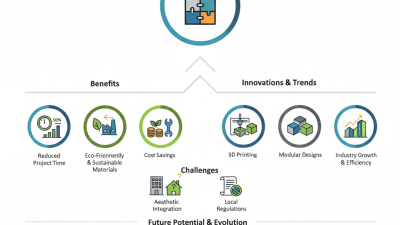
The rise of prefab units has been fueled by a wave of technological innovations. 3D printing has made it possible to produce complex designs quickly and at a lower cost. This process reduces waste and minimizes labor hours. Modular construction techniques are also evolving, allowing for quicker assembly on-site. Combining these technologies enhances efficiency in building projects.
Digital tools have enabled seamless project management. BIM (Building Information Modeling) allows for precise planning and real-time collaboration among teams. Yet, not all projects benefit equally from technology. Some traditional builders may resist these changes, fearing disruptions to established workflows. Additionally, training workers on new technologies involves time and investment, which not all companies are willing to make.
Despite these challenges, the future looks promising for prefab units. The push for sustainability drives many in the industry to consider eco-friendly materials. As more companies adopt these innovations, the construction landscape will continue to evolve. However, it is essential to address the concerns of traditional processes while embracing new techniques. The balance between innovation and tradition is not easily achieved.
Challenges and Risks in Integrating Prefab Units into Procurement Strategies
As companies increasingly explore prefab units, integrating them into procurement strategies isn't without its challenges. The concept of prefabrication can streamline operations and reduce construction time. However, organizations must navigate several risks that accompany this transition. Coordination among various stakeholders is essential yet can be complicated. Differences in communication styles may lead to misunderstandings. Fact-checking and clear guidelines are vital to prevent costly errors.
Another challenge lies in quality control. Prefab units rely heavily on standardized processes. However, inflexibility can lead to inadequate solutions for unique project requirements. Supply chain disruptions can also pose significant risks. Companies must prepare for delays that arise from unexpected circumstances. Proper forecasting and relationship management with suppliers can mitigate some concerns, yet uncertainty remains.
Companies must also consider the environmental impact of prefab construction. While it offers efficiency, the sourcing of materials must align with sustainability goals. This aspect often gets overlooked in procurement strategies. Investing in sustainable practices and transparency can boost long-term benefits. A careful analysis of these factors will help organizations fully embrace the potential of prefab units. Balancing innovation with reflection on potential pitfalls is crucial for successful integration.