Top 10 Best Pre Fab Building Innovations You Should Know?
The construction industry is undergoing a transformation with pre fab building innovations. According to a recent McKinsey report, prefabrication can reduce project time by up to 50%. This accelerated timeline is attractive for many developers seeking efficiency. The rise of eco-friendliness is another driving force behind these innovations. Prefab buildings often use sustainable materials, which can lead to a reduced carbon footprint.
Emerging technologies, such as 3D printing and modular designs, have unlocked new possibilities. These methods not only reduce waste but can also be tailored for specific site conditions. However, challenges remain. Not all prefabricated structures blend seamlessly with traditional designs. Sometimes, local regulations can hinder adoption.
Despite these obstacles, the benefits of pre fab building are significant. Industry experts predict a continued rise in this sector, highlighting the potential for cost savings and faster construction times. As the market evolves, stakeholders must address challenges while embracing innovation in pre fab building.
Overview of Prefabricated Building Innovations
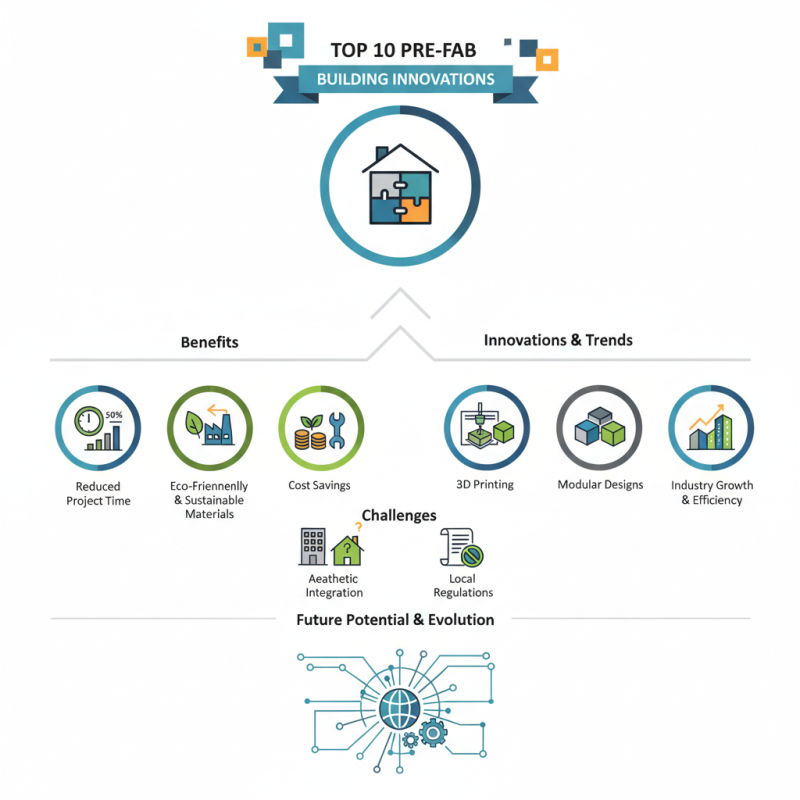
The prefabricated building industry has shown remarkable growth in recent years. According to a MarketsandMarkets report, the global prefabricated building market is expected to reach $360 billion by 2025. This shift offers a more efficient and sustainable alternative to traditional building methods. Innovations in modular design and materials are changing how structures are constructed.
One exciting advancement is the use of 3D printing in prefabricated buildings. This technology can create complex shapes and structures much faster than conventional methods. The construction time can be reduced by up to 50%. However, challenges remain, including code compliance and material durability. Furthermore, some builders struggle to integrate 3D-printed components with traditional systems.
Another significant trend is the emphasis on energy-efficient materials. The demand for sustainable structures is increasing among consumers. A report by Grand View Research highlights that the green building materials market is expected to grow at a CAGR of over 11% until 2027. Despite these advancements, many prefabricated building projects face obstacles, such as cost-effectiveness and public perception. The industry must address these concerns to truly thrive in the future.
Key Materials Transforming Prefab Construction
Prefab construction is changing the way we think about building materials. Advanced components are making homes more efficient. Materials like cross-laminated timber (CLT) are gaining traction. CLT is strong yet lightweight. It's also more sustainable than traditional lumber.
Steel framing offers another innovative material. It's durable and fire-resistant. This makes it ideal for many modern designs. Many builders now use repurposed steel. It reduces waste and cutting-edge designs are possible with steel’s flexibility.
Tips: Consider insulation materials closely. Some options offer great energy efficiency. Using eco-friendly insulation can lower utility bills. Don't forget about modular concrete. It's gaining attention for rapid assembly and strong performance.
This new approach often faces challenges. Not all prefab buildings are the same. Some may not align with local building codes. Quality can vary, leading to unforeseen issues. A deeper research phase can save future headaches.
Sustainable Practices in Prefab Building Designs
Prefab building designs are taking a green turn. Many innovations focus on sustainability. For instance, reports show that prefab homes consume up to 60% less energy during construction compared to traditional buildings. This process reduces waste and limits the use of materials. Most prefabricated components are produced in a factory setting, which enhances efficiency and minimizes environmental impact.
Implementing sustainable practices in prefab designs doesn’t stop at energy efficiency. Many architects now incorporate renewable materials, such as bamboo and recycled steel. These choices can lower the carbon footprint significantly. According to the World Green Building Council, constructing with sustainable materials can reduce construction waste by 30%. It’s impressive how these choices lead to healthier living environments.
Tips: Consider modular designs that use fewer resources. Look into buildings that incorporate natural light. Use local materials to cut down transportation emissions. While these practices are promising, challenges remain. Not all prefabricated designs are created equal. Ensuring truly sustainable practices requires careful planning and innovation.
Cutting-Edge Technologies Enhancing Prefab Efficiency
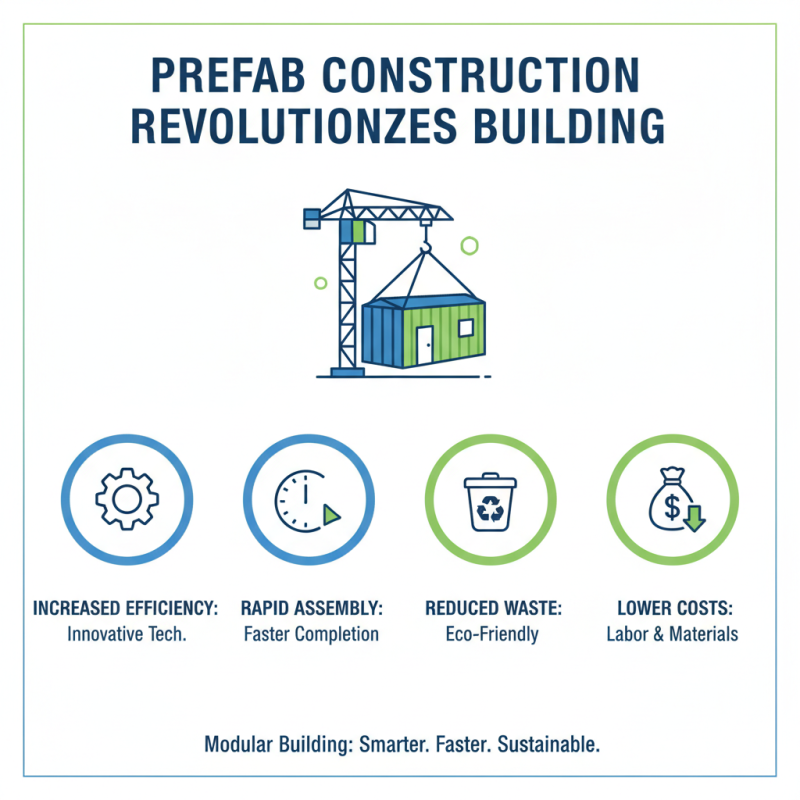
Prefab construction is revolutionizing the building industry. With innovative technologies, efficiency is greatly enhanced. Modular construction allows for rapid assembly. This method reduces waste and minimizes labor costs. Faster completion times mean projects can get up and running sooner.
3D printing is another game-changer. It offers customization while lowering material costs. Buildings can be designed with intricate details that were once unimaginable. However, the technology is still evolving. Supply chain issues can complicate large-scale implementations.
Smart technology integration is reshaping prefab homes. Sensors and automation improve energy efficiency and sustainability. Yet, reliance on technology can lead to challenges. Data security is a concern that must be addressed. As the industry grows, these innovations will need continuous assessment and improvement. The balance between efficiency and quality remains a vital discussion.
Future Trends in Prefabricated Building Industry
The prefabricated building industry is evolving rapidly. In fact, it is projected to grow at a compound annual growth rate (CAGR) of over 6% from 2021 to 2028. This growth is driven by the demand for sustainable construction methods. Prefab buildings are often more energy-efficient than traditional options. They can reduce waste by up to 30%.
Innovations in materials and design are also shaping the future. Modular construction techniques allow for quicker assembly, cutting project time significantly. Reports indicate that modular building can reduce construction time by up to 50%. However, challenges remain. Not all companies adopt these innovations quickly. Resistance to change can slow adoption rates.
Another area for reflection is quality control. Prefabricated components are made in controlled environments. Yet variability in existing structures poses risks. If not carefully managed, the integration of prefab elements might lead to issues. Balancing innovation with quality assurance will be crucial moving forward.
Related Posts
-
Top 10 Benefits of Prefab Buildings You Need to Know About
-
10 Essential Tips for Choosing the Best Modular Built Homes
-
2025 Top 5 Trends in Prefabricated Small Homes for Sustainable Living
-
10 Best Prefab Modular Buildings for Sustainable Living in 2023
-
How to Choose the Best Prefabricated Homes for Your Needs in 2023
-
Why Pre Manufactured Homes Are the Best Choice for Affordable Housing Solutions