Explore Top 10 Prefab Home Designs for Your Next Project?
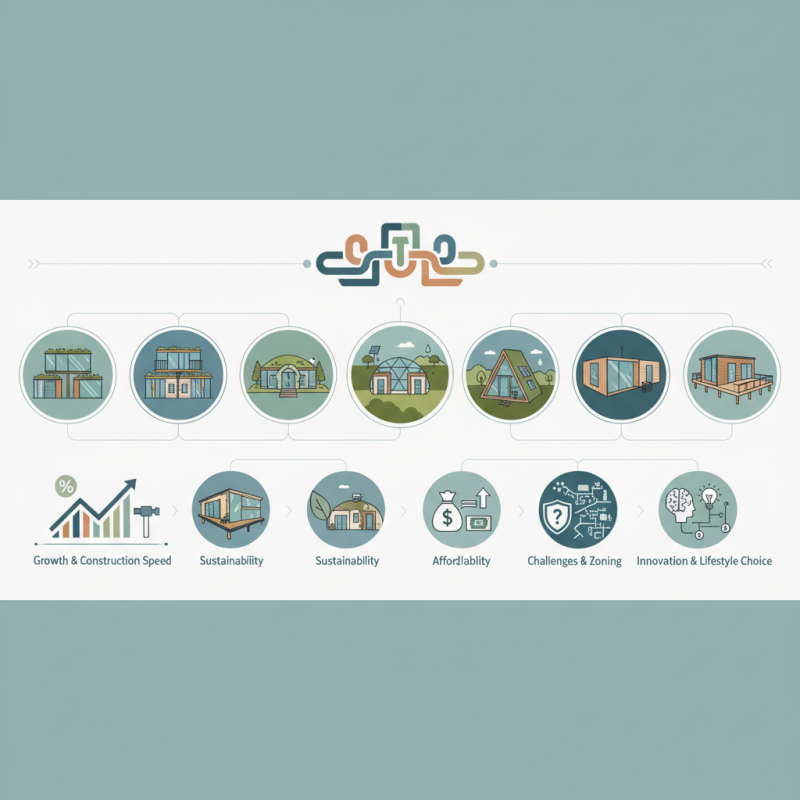
The rising popularity of prefab home designs reflects a significant shift in housing preferences. According to a report by the U.S. Department of Housing and Urban Development, the prefab sector is projected to grow by 10% annually. This growth is driven by affordability, sustainability, and faster construction times. These designs offer innovative living solutions, attracting modern homeowners seeking efficiency.
Prefab home designs often incorporate environmentally friendly materials and processes. The National Association of Home Builders notes that 61% of builders are now emphasizing green construction methods. Such homes can reduce waste and energy consumption, appealing to eco-conscious buyers. However, the prefab industry still faces challenges, including zoning issues and misconceptions about quality.
Exploring various designs can lead to both excitement and reflection. While these structures promise benefits, some users report feelings of isolation in certain layouts. It's vital to evaluate how each design aligns with your needs and lifestyle. As the market evolves, staying informed about trends can empower future homeowners to make better choices.
Overview of Prefab Homes and Their Popularity
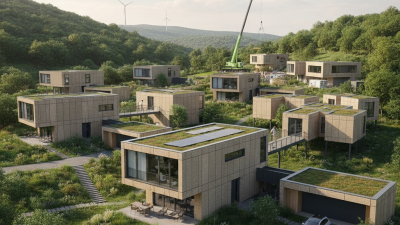
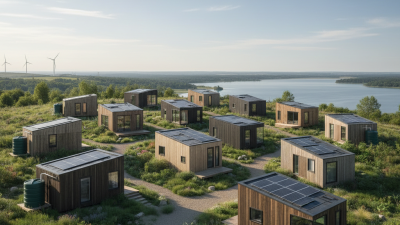
Prefab homes have gained significant attention in recent years. Their rise in popularity stems from a combination of affordability, efficiency, and modern design. These homes are factory-built, allowing for quicker construction and reduced waste. People often appreciate the minimalist aesthetics and eco-friendly characteristics of prefab designs. They often complement a contemporary lifestyle, offering flexible space options.
Despite their advantages, some challenges accompany prefab homes. Limited customization can be a drawback for many buyers. While the designs are often appealing, the pre-set layouts might not suit everyone's needs. Additionally, transportation can complicate the delivery process, especially in remote areas. Prospective homeowners need to consider zoning laws and land requirements carefully.
Investing in a prefab home can be rewarding. It’s crucial to research thoroughly before making a decision. With the right approach, prefab homes can provide a unique solution to modern housing challenges. Balancing practicality with personal style is essential in this journey. Each home tells a story, blending innovation with individual needs.
Explore Top 10 Prefab Home Designs for Your Next Project
| Design Name |
Size (sq ft) |
Bedrooms |
Bathrooms |
Estimated Cost ($) |
Sustainability Features |
| Modern EcoHome |
1,200 |
2 |
1 |
150,000 |
Solar panels, Green roofing |
| Compact Living Pod |
400 |
1 |
1 |
80,000 |
Recycled materials, Energy-efficient |
| Modular Farmhouse |
1,800 |
3 |
2 |
250,000 |
Rainwater harvesting, Natural insulation |
| Tiny Living Home |
300 |
1 |
1 |
50,000 |
Low-impact design, Minimal waste |
| Contemporary Retreat |
1,500 |
2 |
2 |
225,000 |
Bamboo flooring, Passive solar design |
| Urban Duplex |
2,000 |
4 |
3 |
300,000 |
Smart home technology, Insulated walls |
| Green Hills Cabin |
1,100 |
3 |
1 |
175,000 |
Compost toilets, Solar water heating |
| Luxury Prefab Villa |
3,000 |
5 |
4 |
500,000 |
Smart climate control, Eco-friendly materials |
| Seaside Retreat |
1,600 |
3 |
2 |
275,000 |
Corrosion-resistant materials, Wind turbines |
| Mountain View Lodge |
2,500 |
4 |
3 |
450,000 |
Green insulation, Natural landscaping |
Key Features of Modern Prefab Home Designs
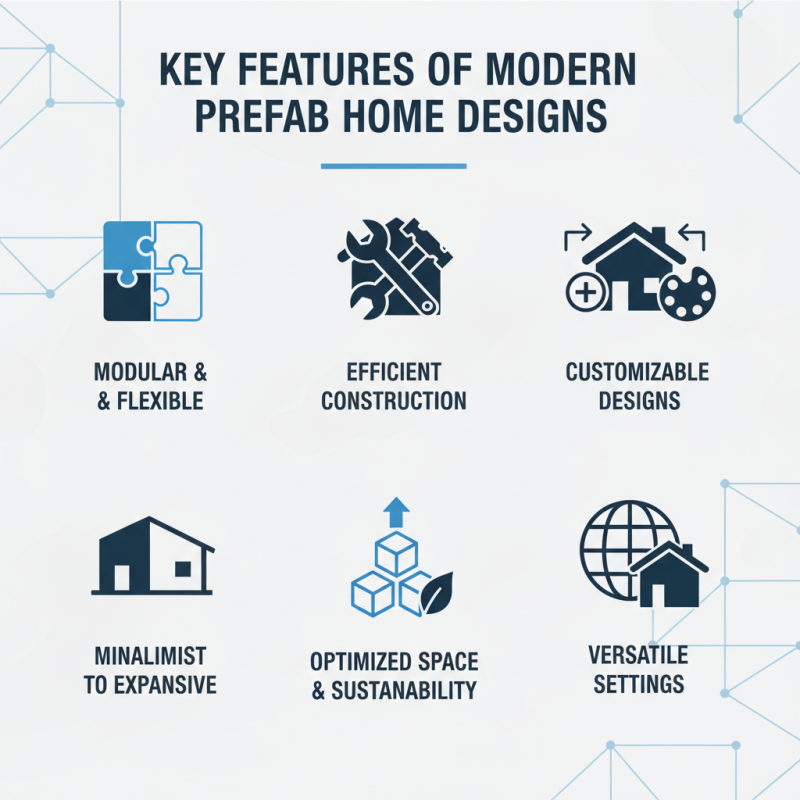
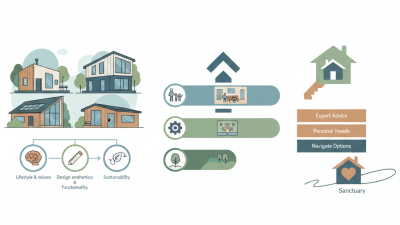
Modern prefab home designs have gained popularity for their unique features. They offer flexibility and innovation in construction. These homes can be customized, allowing for individual styles and needs. From minimalist aesthetics to expansive layouts, there’s a design for everyone. The efficient use of space is a key characteristic, making them ideal for various settings.
Sustainability also plays a significant role in modern prefab homes. They often incorporate eco-friendly materials and energy-efficient systems. Large windows invite natural light, fostering a sense of openness. However, potential buyers should consider local climate conditions and site specifics. Not all designs may suit every environment, which is essential to evaluate before committing. Collaboration with experienced architects can help navigate these challenges.
While prefab homes offer many benefits, they are not without drawbacks. Some designs can be limiting, depending on the manufacturer. Moreover, obtaining permits can be complex. These homes require thoughtful planning and consideration of zoning laws. Therefore, research and expert advice are crucial when selecting the perfect prefab design.
Top 10 Innovative Prefab Home Designs for Various Needs
Prefab homes are gaining traction as innovative solutions for various needs. They offer speed, sustainability, and cost-efficiency. A report from the U.S. Department of Energy highlights that prefab homes can reduce construction time by up to 50%. This efficiency is essential in today’s fast-paced world, especially for families needing quick and affordable housing.
There are many designs to consider. Tiny homes appeal to minimalist lifestyles. Modular homes address larger family needs. Sustainable options are increasingly popular, with some designs featuring solar panels and rainwater harvesting systems. Research from the National Association of Home Builders indicates that 62% of buyers prefer energy-efficient homes. However, prefab designs can sometimes face zoning issues. These legal hurdles can slow down an otherwise simple process.
Personalization is a key aspect of prefab designs. Some homeowners regret not adding certain features. Open floor plans are trendy but may not suit everyone’s preferences. Balancing innovation with practicality is vital. Ensuring that each design meets specific needs can be challenging yet rewarding. The flexibility of prefab homes allows for customization, but it requires careful planning.
Sustainability and Efficiency in Prefab Home Construction
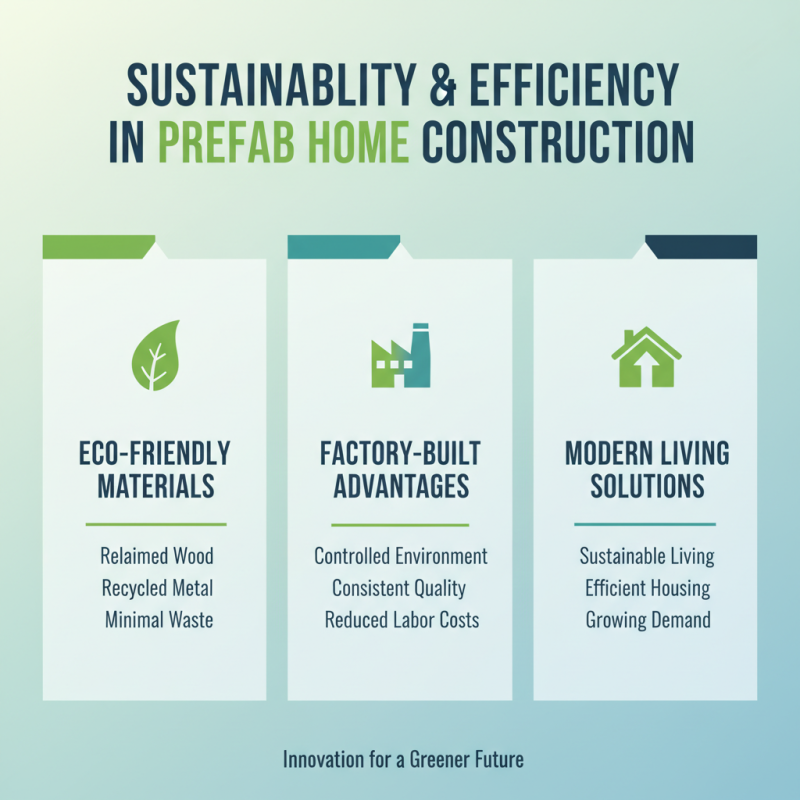
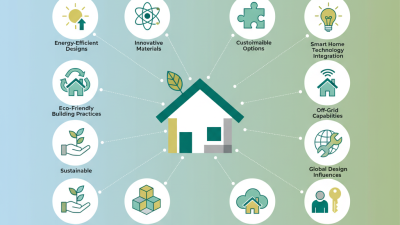
As the demand for sustainable living grows, prefab homes offer an efficient solution to modern housing challenges. These homes use innovative materials, allowing for minimal waste during construction. Prefab homes are typically built in a factory setting. This controlled environment enhances quality and reduces labor costs. Sustainable materials like reclaimed wood and recycled metal are often used, promoting eco-friendly living.
Tips for choosing materials: Prioritize local suppliers. This reduces transportation emissions. Look for certifications like Energy Star. Efficient appliances are a must. They lower energy consumption and reduce utility bills, which is crucial for long-term savings. Proper insulation is essential. It helps maintain a stable indoor climate and reduces heating or cooling needs.
It’s important to consider the land selection. Well-chosen land can enhance a home’s efficiency by maximizing natural light and wind flow. A poorly situated home may lead to higher energy demands. While prefabs can be cost-effective, the initial investment can be substantial. Prospective owners should weigh both short-term costs and long-term benefits carefully. Balancing these aspects is key to realizing the true value of prefab living.
Comparative Analysis: Prefab Homes vs. Traditional Builds
In recent years, the construction industry has witnessed a rising interest in prefab homes. A report by Allied Market Research states that the global prefab homes market is projected to reach $183.6 billion by 2027, growing at a CAGR of 6.8%. This shift reflects a growing recognition of the efficiency and sustainability of prefab designs compared to traditional builds.
Prefab homes can be assembled in a fraction of the time. On average, they take 30-50% less time to complete. Traditional building methods often involve lengthy permitting processes and weather-related delays. However, prefab homes require careful planning and can face zoning and regulatory challenges. Not all regions embrace this modern approach, leading to potential complications.
Energy efficiency is another area of comparison. The U.S. Department of Energy reports that modern prefab homes average about 10-20% better energy efficiency than their traditional counterparts. Yet, the perception persists that prefab homes lack unique character and customization options. Additionally, quality control can be inconsistent. Different manufacturers have different standards, which can affect the final product.
As you consider your next project, weigh these factors carefully to make an informed decision.