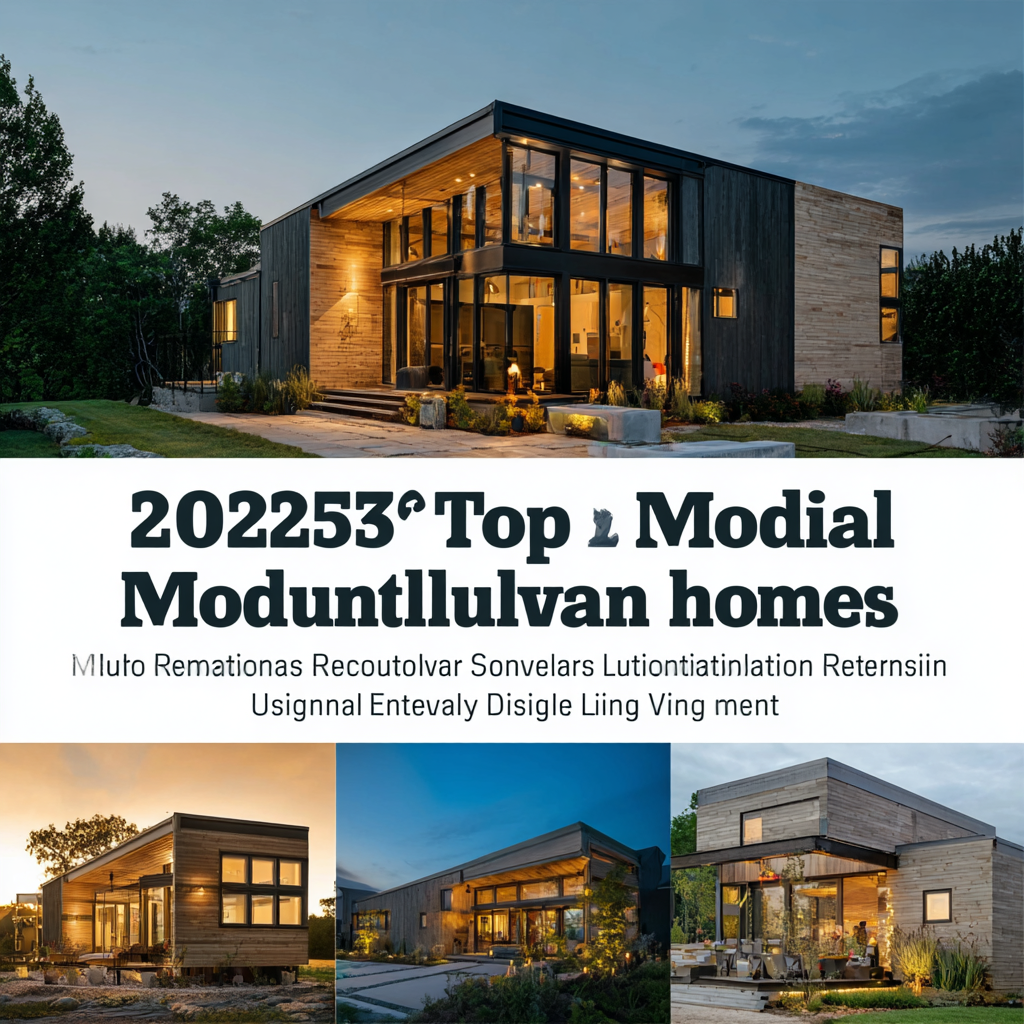
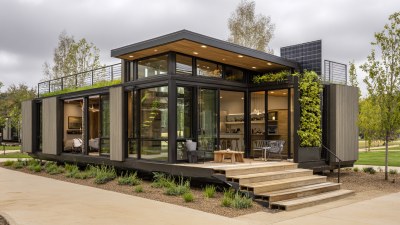
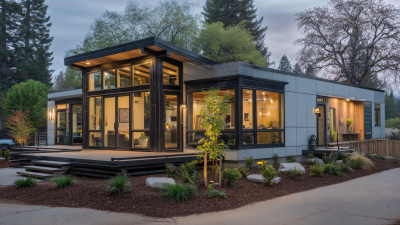
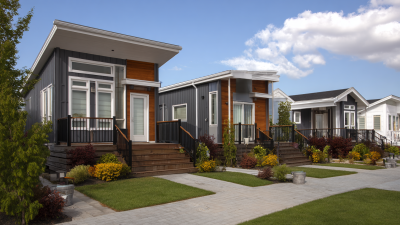
2025 Top 5 Modern Modular Homes Revolutionizing Sustainable Living and Design
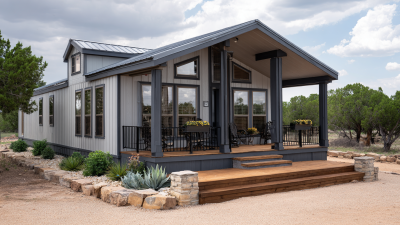
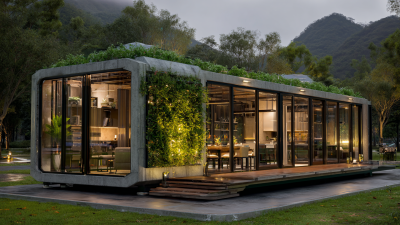
In recent years, the concept of modern modular homes has gained significant traction as more homeowners seek sustainable living solutions that blend design innovation with environmental consciousness. As we move towards 2025, it is clear that the evolution of modular homes is not just a trend, but a revolution reshaping the way we think about architecture and sustainability. These homes, designed with an emphasis on both aesthetics and eco-friendliness, offer a glimpse into a future where living spaces can be constructed with minimal environmental impact while maximizing efficiency and comfort.
The top five modern modular homes featured in this exploration exemplify a commitment to sustainable design principles, showcasing how these innovative structures can seamlessly integrate with their surroundings. By utilizing smart technology, sustainable materials, and efficient construction practices, these homes are not only reducing their carbon footprint but are also paving the way for a more responsible approach to homeownership. As we delve into the world of modern modular homes, it becomes evident that these designs are not merely functional but are also redefining contemporary living standards and encouraging a lifestyle that prioritizes harmony with nature.
The Rise of Modern Modular Homes: A Sustainable Trend for 2025
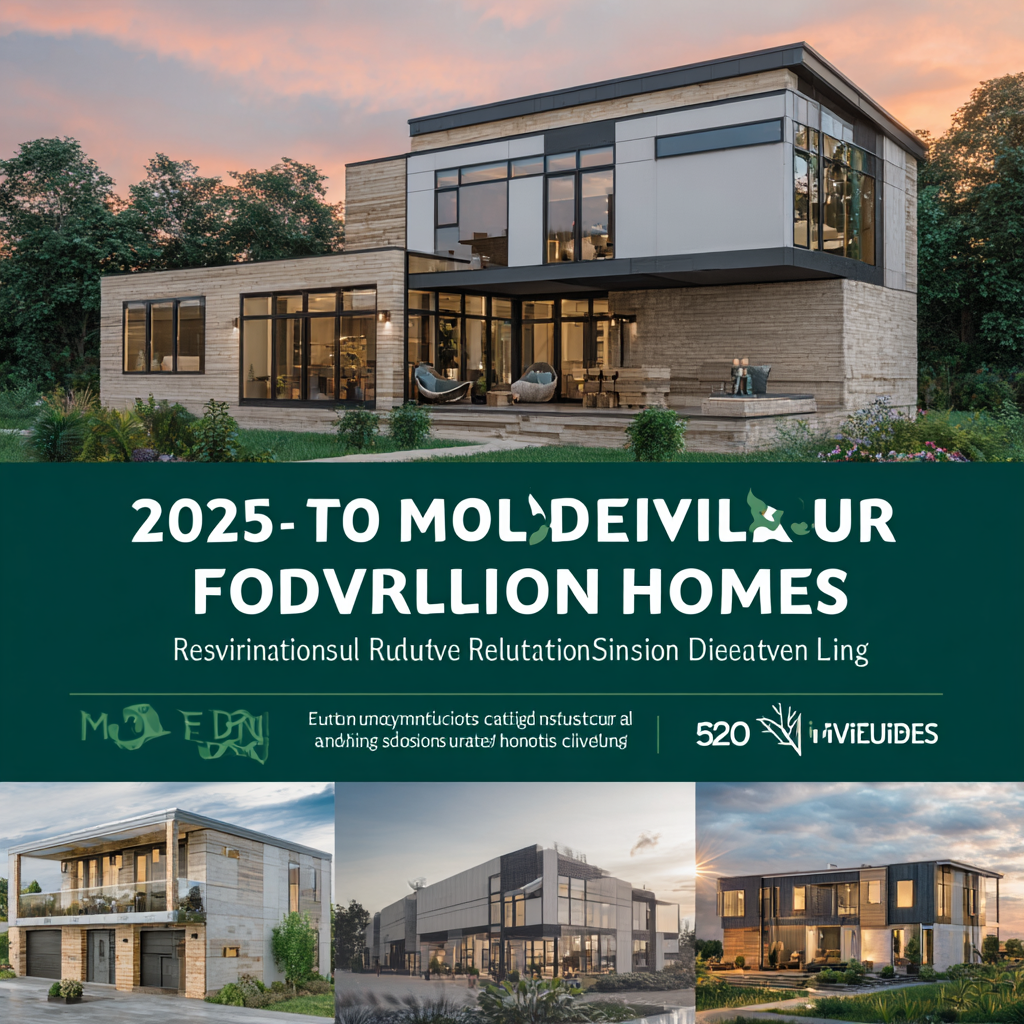
The rise of modern modular homes marks a significant shift in sustainable design trends for 2025. As more individuals prioritize eco-friendly living, these homes offer innovative solutions that blend functionality with sustainability. With their prefabricated components, modern modular homes can be constructed efficiently, minimizing waste and reducing the overall carbon footprint. By utilizing renewable materials and incorporating energy-efficient technologies, these homes not only support a greener lifestyle but also enhance the occupant's quality of life through improved air quality and thermal comfort.
This trend is expected to gain momentum as urbanization increases and homeowners seek alternatives to traditional building methods. The modular home sector aligns with current consumer preferences for practicality and sustainability, reflecting a broader movement towards conscious consumption. As these homes become more mainstream, they will reshape the housing market, paving the way for a sustainable future in living spaces and challenging conventional architectural norms.
2025 Top 5 Modern Modular Homes Revolutionizing Sustainable Living and Design
| Model |
Size (sq ft) |
Energy Efficiency Rating |
Materials Used |
Unique Features |
| EcoNest |
900 |
A+ |
Recycled Steel, Bamboo |
Green Roof, Rainwater Harvesting |
| Sustainable Haven |
1200 |
A++ |
Reclaimed Wood, Eco-Concrete |
Solar Panels, Smart Home Tech |
| GreenLight Home |
850 |
A+ |
Sustainable Siding, Earth-Friendly Insulation |
LED Lighting, Adaptive Design |
| Modular Oasis |
1400 |
A++ |
Locally Sourced Timber, Non-Toxic Paints |
Zero Energy, Open-Plan Spaces |
| EcoBox |
1000 |
A |
Bamboo Flooring, Recycled Plastic |
Modular Expansion, Rain Gardens |
Innovative Materials: Eco-Friendly Options for Modular Construction
In recent years, eco-friendly materials have emerged as crucial components in the construction of modern modular homes, driving a shift towards sustainable living and design. The adoption of low-carbon concrete, recycled steel, and sustainably sourced wood has revolutionized modular construction. These materials not only reduce the overall carbon footprint of building projects but also offer resilience, ensuring that structures withstand environmental challenges. As builders prioritize these innovative options, they contribute to a growing industry trend favoring sustainable practices.
Additionally, the rise of modular textile lightweight construction is paving the way for resilient architectural solutions. This approach not only enhances the durability of buildings but also supports sustainable design by utilizing materials that are more environmentally friendly. The integration of smart building technologies, coupled with prefabricated elements, is further accelerating the transition to green construction. As architects and builders embrace these advancements, they are not only redefining the landscape of housing but also promoting a sustainable future for all.
Energy Efficiency Features Transforming Sustainable Living Spaces
As we look towards 2025, the evolution of energy-efficient features in modern modular homes is poised to significantly transform sustainable living. Innovations in solar technology and smart home solutions are leading the charge in creating living spaces that not only conserve energy but also integrate seamlessly into the aesthetic design of the home. For instance, recent collaborations in the solar industry emphasize a holistic approach, ensuring that these environmentally friendly solutions enhance both functionality and visual appeal.
States like Maryland are emerging as frontrunners in green building practices, showcasing ambitious projects that prioritize sustainability without compromising design. The rise of eco-friendly prefab homes further illustrates this trend, offering practical solutions that address both environmental concerns and modern living needs. These homes are designed to minimize waste and maximize energy efficiency, making them ideal for the environmentally conscious homeowner. As innovative trends in homebuilding continue to reshape the landscape, we can expect to see more modular homes that embody these principles, reinforcing the idea that sustainable living is not only necessary but also stylish and accessible.
Smart Home Technology: Enhancing Modern Modular Designs
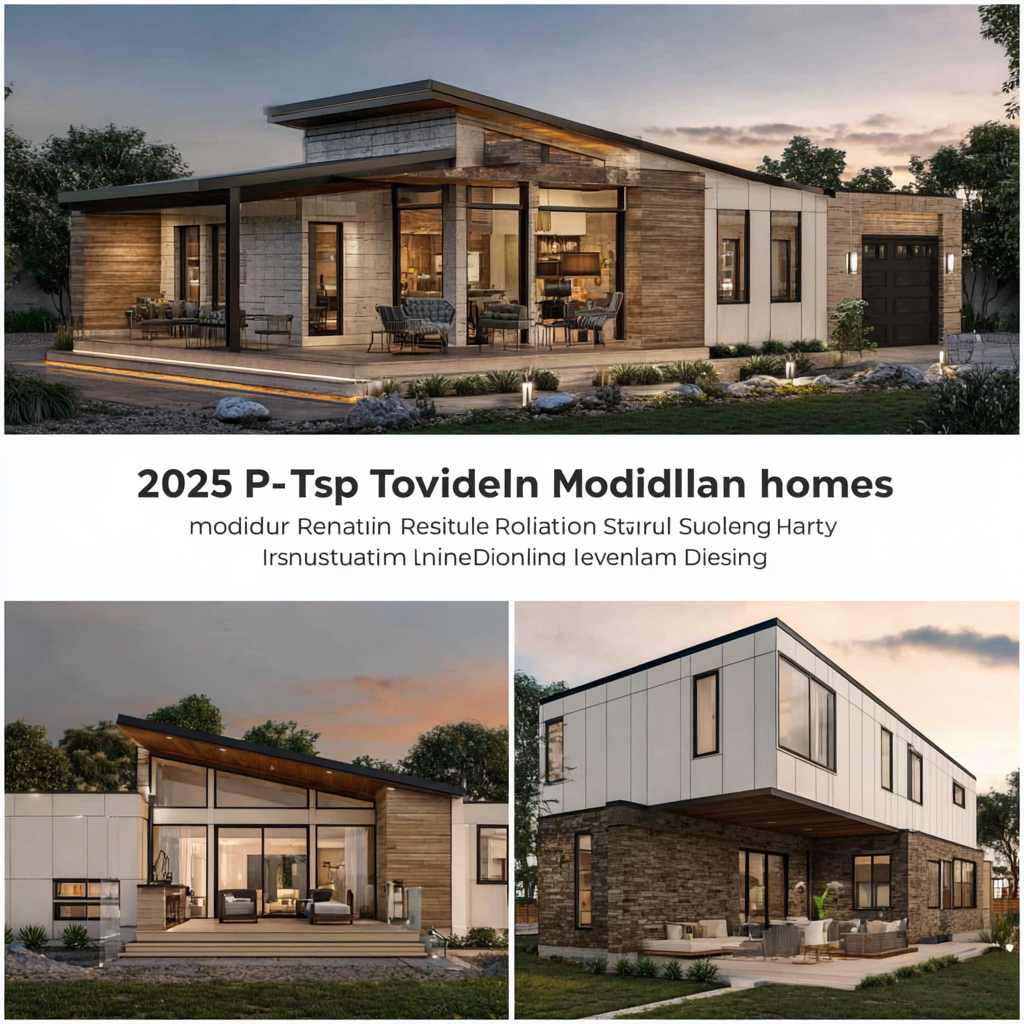 The integration of smart home technology is drastically transforming modern modular designs, making them not only sustainable but also highly functional. With features such as energy-efficient lighting, intelligent heating systems, and state-of-the-art security measures, these homes exemplify how technology can complement eco-friendly living. The ability to control various aspects of the home through a smartphone or voice commands offers convenience and reinforces the quest for sustainable living.
Tip: When selecting smart devices for your modular home, prioritize those that have energy-saving certifications. These devices not only lower your carbon footprint but can also significantly reduce your utility bills.
Another significant trend is the implementation of home automation systems that allow for real-time monitoring of energy consumption. For instance, users can track usage patterns and optimize energy intake accordingly, ensuring that every watt is used efficiently. This not only promotes sustainability but also empowers residents to make informed choices about their energy habits.
Tip: Consider investing in a smart home hub that connects all your devices. This central control can streamline operations and enhance energy management in your modern modular home, further contributing to sustainable practices.
Community Impact: How Modular Homes Foster Sustainable Living Practices
Modular homes are emerging as a transformative solution to the housing crisis, particularly in regions like California where the shortage of affordable housing has reached critical levels. These innovative structures not only address urgent housing needs but also promote sustainable living practices. By utilizing efficient materials and construction methods, modular homes significantly reduce waste and energy consumption. The use of eco-friendly features such as solar panels, better insulation, and rainwater harvesting systems makes them an ideal choice for environmentally conscious consumers seeking to minimize their impact on the planet.
Moreover, modular homes foster community development by providing accessible housing options that encourage social interaction and inclusivity. The ease of assembly and potential for rapid deployment allows communities to grow and adapt swiftly to changing demographics and needs. These homes can also incorporate social and environmental governance (ESG) principles, ultimately promoting a sense of responsibility and engagement among residents. As modular construction continues to evolve, it presents a unique opportunity to balance affordability with sustainability, encouraging healthy living environments that strengthen community ties and enhance quality of life.