Top 10 Benefits of Panelized Homes for Global Buyers?
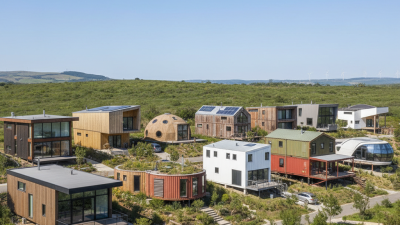
In recent years, panelized homes have gained popularity among global buyers. These innovative structures offer numerous benefits that appeal to modern consumers. The appeal of panelized homes lies not just in their aesthetic value but also in their efficiency and sustainability.
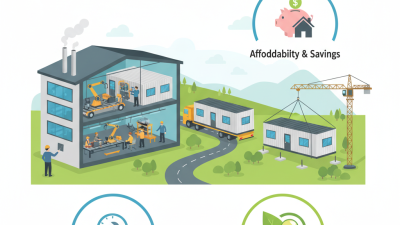
Panelized homes streamline the building process, reducing construction time significantly. This efficiency can lead to cost savings for buyers, making home ownership more accessible. Additionally, the precision of panelized construction minimizes waste, aligning with eco-friendly values. This resonates well with environmentally conscious buyers looking to make responsible investments.
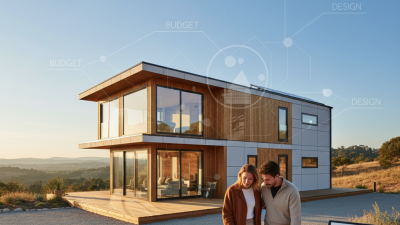
Furthermore, panelized homes allow for customization, catering to diverse tastes and lifestyles. However, potential buyers must consider local regulations and market conditions. Understanding these factors is essential for making informed decisions. Overall, panelized homes present a compelling choice, merging comfort, style, and practicality in today’s housing market.
Benefits of Efficient Construction Timeframes for Panelized Homes
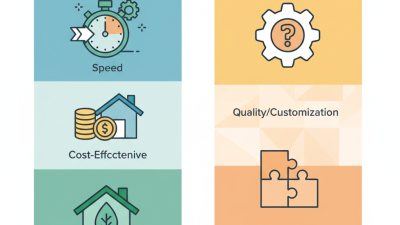
Panelized homes are gaining popularity due to their efficient construction timeframes. For global buyers, this means reduced waiting times. Construction can often be completed in a matter of weeks, not months. Components are pre-manufactured, allowing for swift assembly on site. This efficiency is especially appealing to those in urgent need of housing solutions.
However, this speed does not come without potential drawbacks. High-quality craftsmanship and materials must be carefully chosen. Rushed processes may lead to oversight in detailing. It's essential for buyers to communicate clearly with builders. Understanding the assembly process can mitigate risks. Ensuring that safety standards are upheld is paramount, despite the expedited timeline.
In addition to time savings, panelized homes offer flexibility in design. Buyers can customize layouts to fit their needs, making the home uniquely theirs. Still, it’s important to weigh customization against cost. A balance must be struck between speed and personalized touches. This approach fosters a home that meets personal expectations while also addressing quick housing needs in a fast-paced world.
Cost Savings on Materials and Labor in Panelized Housing Solutions
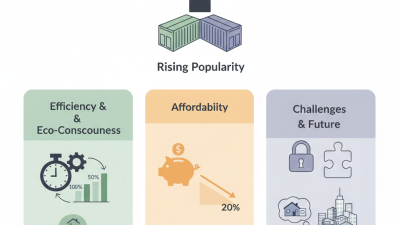
Panelized homes offer significant cost savings for global buyers. One of the main advantages lies in the reduced expenses on materials and labor. According to industry data, homeowners can save up to 20% on building costs compared to traditional construction methods. This savings arises from efficient manufacturing processes and reduced waste. Panelized systems are prefabricated in factories, leading to faster construction timelines and significantly lower labor costs.
Additionally, the streamlined assembly process allows less opportunity for errors during construction. With fewer onsite adjustments, projects stay on schedule, reducing labor hours. Reports show that projects using panelized systems can be completed in 30% less time than conventional builds. This efficiency can lead to quicker returns on investment for buyers.
Tip: Consider local contractors who have experience in panelized construction. Their knowledge can help optimize the building process and enhance savings.
While panelized homes provide many benefits, potential buyers should assess site-specific conditions. Each location may present unique challenges that could influence overall costs. Evaluating these factors early can mitigate unexpected expenses during the building phase.
Tip: Conduct a thorough site analysis to identify any potential issues. This step is crucial for planning and financial forecasting.
Enhanced Sustainability and Eco-Friendliness in Home Building Processes
The panelized homes approach is leading the way in sustainable building practices. This technique promotes eco-friendliness in various aspects of home construction. From materials to energy efficiency, each step is tailored to minimize environmental impact. For instance, the use of pre-cut panels reduces waste significantly. Construction time is also shortened, which conserves resources and limits construction site disruptions.
These homes are designed for energy efficiency. High-performance insulation is often used, keeping homes warm in winter and cool in summer. This results in lower energy bills for homeowners. Additionally, the manufacturing process often incorporates sustainable materials. This may include recycled or locally sourced components, which supports both the environment and the local economy.
However, this shift to panelized construction comes with challenges. Some may argue that the initial investment is high compared to traditional building methods. Others may question the durability and long-term benefits of these homes. It's crucial to balance these concerns with the undeniable impacts of climate change. As global buyers consider their options, the potential benefits of sustainability should weigh heavily on their decisions.
Improved Design Flexibility and Customization Options for Buyers
Panelized homes are gaining traction among global buyers for their unique design flexibility and customization options. A recent report indicates that 68% of homebuyers prefer tailored spaces that reflect their personal aesthetics. This demand for customization is a driving force behind the popularity of panelized construction. Unlike traditional homes, panelized houses allow for innovative layouts and designs that can adapt to varying climate conditions and local regulations.
The ability to select materials and styles ensures homeowners can achieve their vision without compromising. For example, energy-efficient panels can reduce utility costs by up to 30%, enhancing sustainability while meeting personal preferences. However, this flexibility can sometimes lead to decision fatigue. Buyers may feel overwhelmed by the myriad of choices available, highlighting the importance of a streamlined selection process.
Another consideration is the trade-off between customization and speed. While panelized homes can be erected quickly, extensive customization may extend construction time. Buyers must weigh the benefits of a personalized design against the potential delays. Reliable data shows that, on average, custom homes take about 20% longer to complete than standard models. Therefore, careful planning and clear communication with builders are essential for a smooth experience.
Top 10 Benefits of Panelized Homes for Global Buyers
Increased Resilience and Durability of Panelized Structures Against Events
Panelized homes offer notable resilience and durability. They withstand extreme weather events better than traditional homes. The engineered materials used in panelization enhance structural integrity. This design minimizes vulnerabilities during storms, earthquakes, or heavy snowfall.
When considering a panelized structure, assess your local climate. Knowing potential natural hazards is crucial. For instance, in hurricane-prone areas, prioritize wind-resistant panels. This small step can lead to significant safety benefits.
Regular maintenance can also improve durability. Even with strong materials, neglect may cause weak spots over time. Inspect your home periodically to address any wear. Don’t overlook small repairs; they can prevent larger problems later.