Top Large Modular Homes for Modern Living Insights and Benefits?
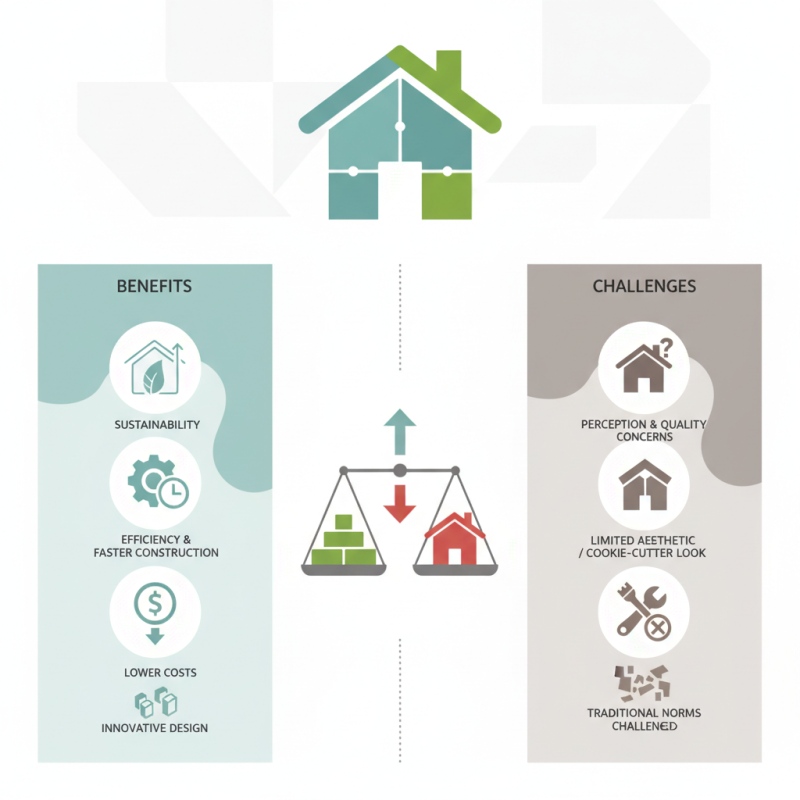
Large modular homes are becoming increasingly popular in modern living. They offer flexibility, efficiency, and innovative designs. With the rise in demand for sustainable housing solutions, these homes stand out for their ability to reduce waste. For many, the idea of modular living can be intimidating. The concept challenges traditional home-building norms.
Designed in sections, large modular homes are built in a factory setting. This process can lead to faster construction times and lower costs. However, they may not always meet the aesthetic desires of some homeowners. Individuals might find the cookie-cutter look unappealing. It raises questions about customization and personal style. Exploring large modular homes provides insight into their advantages and drawbacks.
The benefits are clear. They can be energy-efficient and environmentally friendly. Yet, the perception of modular homes remains mixed. Some view them as inferior to traditional houses. It’s essential to consider these aspects thoughtfully. Ultimately, large modular homes represent a shift towards modern living, with both pros and cons to reflect on.
Overview of Large Modular Homes for Contemporary Lifestyles
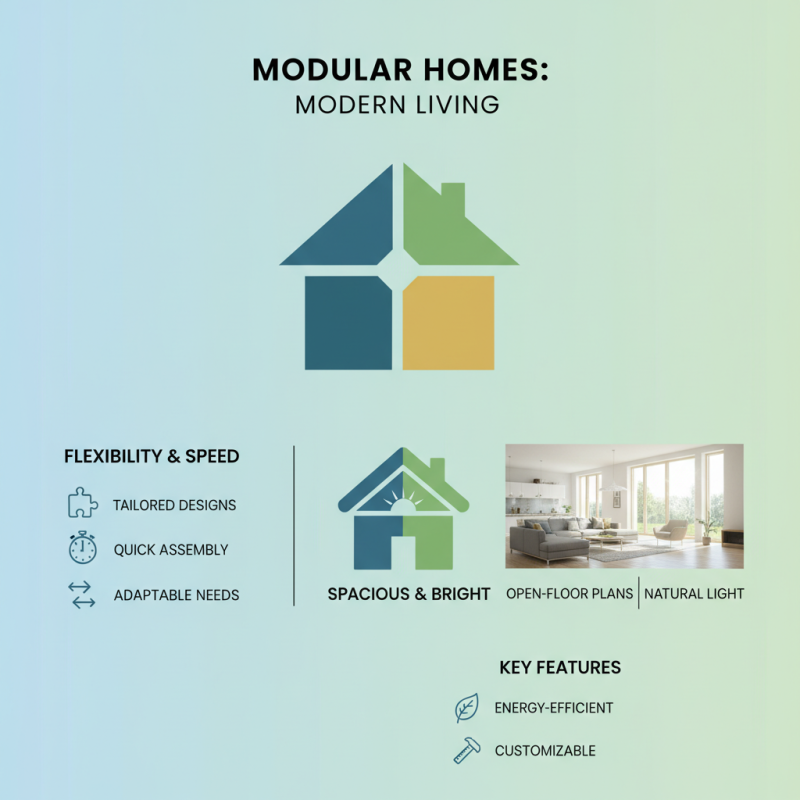
Large modular homes are gaining popularity for modern lifestyles. They offer flexibility and quick assembly. These homes can be tailored to fit diverse living needs. From open floor plans to energy-efficient designs, they cater to various preferences. Many people enjoy the spacious interiors. Natural light creates a warm, inviting atmosphere.
The construction process can be flawed. Unexpected delays sometimes happen. While controlled environments aid quality, issues may still arise. Homeowners need patience and clear communication throughout. Layout choices may lead to feelings of crampedness if not planned properly. Finding the right balance is essential.
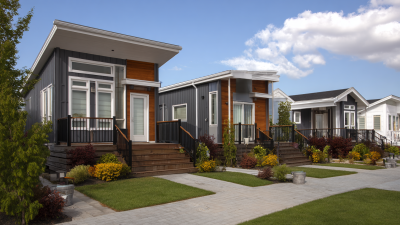
Community integration is crucial for modular homes. Developers often must be mindful of surroundings. Neighbors have varied opinions on aesthetics. Some feel these structures stand out too much. Engaging with the community can foster goodwill. Relationships matter in these settings. Modular homes hold promise, but challenges remain. Adapting to changing demands takes effort and reflection.
Key Features and Innovations in Modern Modular Home Designs
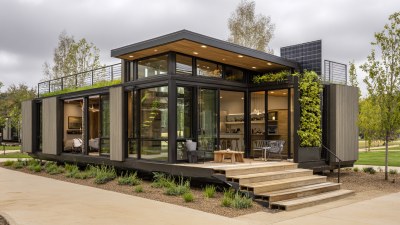
Modern modular homes are transforming the way we think about living spaces. These homes focus on efficiency and flexibility. One key feature is their customizable designs. Homeowners can choose layouts that fit their lifestyle. This can include open floor plans or multi-functional rooms. Such options make compact living more enjoyable.
Technological innovations also enhance modern modular homes. Smart home systems allow for energy monitoring and security integration. Many homes now feature solar panels, reducing the carbon footprint. Enhanced insulation and building materials improve energy efficiency. However, not all designs accommodate every climate well. Some may require adjustments in colder regions.
Sustainability is at the forefront of modular home design. Many use eco-friendly materials consistently. Features like rainwater harvesting systems are becoming more common. Yet, some designs overlook local contexts or community integration. This can lead to a disconnect with the surrounding environment. Reflecting on these aspects can help improve future designs.
Benefits of Choosing Modular Homes for Sustainable Living
The benefits of choosing modular homes for sustainable living are significant. These homes are often built with eco-friendly materials, such as recycled steel and sustainably sourced wood. According to a report by the Modular Building Institute, modular construction can reduce waste by up to 90%. This reduction is critical in minimizing the environmental impact of home building.
Energy efficiency is another key aspect. Modular homes typically exceed standard building codes. They are designed with energy-saving features that can lower monthly utility bills by 20-40%. The U.S. Department of Energy states that energy-efficient homes lead to lower greenhouse gas emissions. This relationship highlights the importance of sustainable living practices.
However, challenges exist. Finding suitable land and navigating zoning laws can be complicated. Not every area welcomes modular construction. Residents may face reluctance from neighbors unfamiliar with the concept. Despite these challenges, the benefits can outweigh the hurdles, leading to long-term savings and a smaller carbon footprint. Modular construction may not be a mainstream choice yet, but its potential is vast.
Comparison of Large Modular Homes vs. Traditional Housing Options
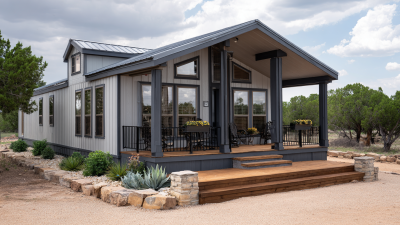
Large modular homes offer a fresh perspective in modern living. They typically provide more space compared to traditional homes. The design versatility in modular homes is striking. They can cater to various styles and preferences, making them appealing for many. You might find a layout that suits your specific needs, whether it’s an open floor plan or multiple bedrooms.
When comparing large modular homes to traditional housing options, costs often stand out. Modular homes can be more affordable due to efficient construction methods. Fewer delays lead to quicker completion times, which saves money overall. However, one must consider potential hidden costs, such as land preparation or additional permits.
Tips: Always research local regulations before buying. Check for zoning laws that may impact placement. Prioritize energy efficiency in your design. Consider options that reduce long-term energy costs. Modular homes may lack customization in certain areas. Reflect on whether you are okay with that limitation. Each home has potential benefits and drawbacks. Choose wisely.
Comparison of Large Modular Homes vs. Traditional Housing Options
Future Trends in Modular Home Construction and Design
The future of modular home construction is bright. Innovations in design and technology shape modern living spaces. Builders focus on sustainable materials and energy efficiency. This leads to homes that are not only stylish but also eco-friendly.
More homeowners prefer open floor plans. This trend promotes flexibility in living spaces. Modular homes often use smart technology for comfort and security. Features like automated lighting and climate control are common. Yet, integrating these technologies can be challenging. Some homeowners struggle with the learning curve.
Here are a few tips to consider. Always research local regulations before starting. They can impact your design options. Choosing the right materials is crucial. Some options look great but may not last long. Finally, think about the long-term functionality of your space. Trends may change, but a well-designed home endures.
Top Large Modular Homes for Modern Living Insights and Benefits
| Model |
Size (sq ft) |
Bedrooms |
Bathrooms |
Estimated Cost |
Features |
| Model A |
2,400 |
4 |
3 |
$250,000 |
Open floor plan, energy-efficient |
| Model B |
3,000 |
5 |
4 |
$320,000 |
Smart home technology, sustainable materials |
| Model C |
2,800 |
4 |
3 |
$290,000 |
Gallery kitchen, large deck |
| Model D |
3,200 |
5 |
4 |
$350,000 |
Home office, finish basement |
| Model E |
3,500 |
6 |
5 |
$400,000 |
Master suite, energy star appliances |