Top 10 Prefab Manufactured Homes Trends You Need to Know in 2023

In recent years, the popularity of prefab manufactured homes has surged, as more people seek alternative housing solutions that are both affordable and sustainable. With advancements in technology and design, these homes offer a unique blend of modern aesthetics and functional living spaces. As we delve into 2023, it’s crucial to stay informed about the latest trends in prefab manufactured homes that are reshaping the housing landscape.

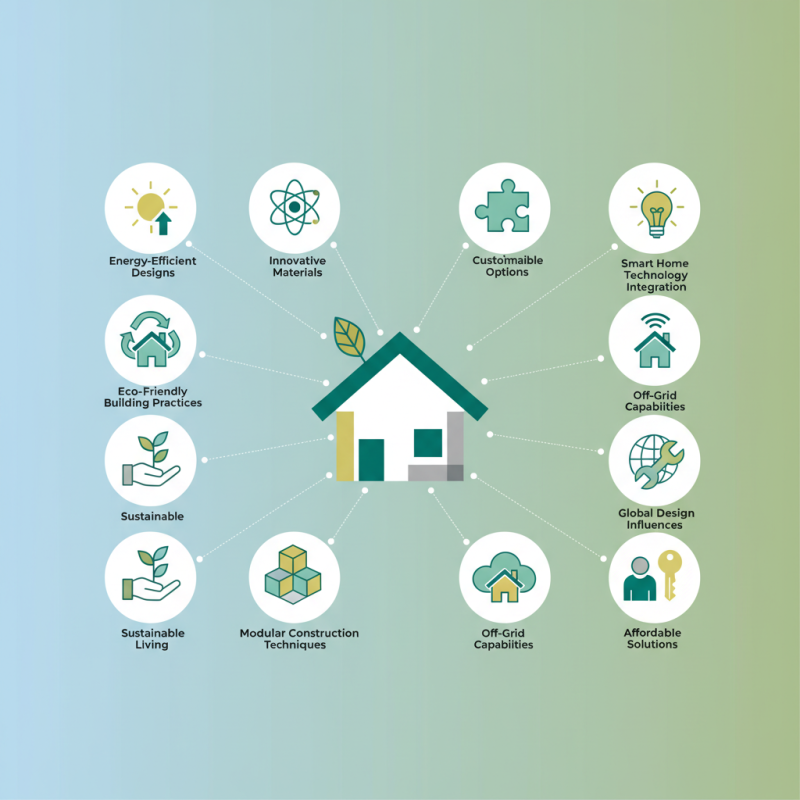
This year's trends indicate a significant shift towards energy-efficient designs, innovative materials, and customizable options that cater to various lifestyles and preferences. Consumers are now more conscious of sustainability, which is reflected in the growing demand for eco-friendly building practices and materials. Additionally, the integration of smart home technology is becoming increasingly prevalent, making it easier for homeowners to manage their living environments.

As we explore the top 10 trends in prefab manufactured homes for 2023, it’s evident that the sector is evolving rapidly, bringing forth fresh ideas that enhance both the functionality and aesthetics of these homes. Whether you are considering a prefab manufactured home for yourself or simply curious about the latest developments, understanding these trends will provide valuable insights into the future of housing.
Top 10 Prefab Manufactured Homes Trends You Need to Know in 2023

Emerging Designs: Aesthetic Trends in Prefab Homes for 2023
Top 10 Prefab Manufactured Homes Trends You Need to Know in 2023

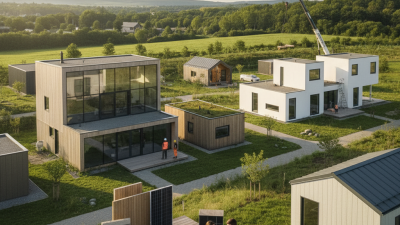
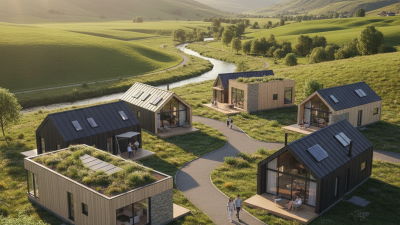
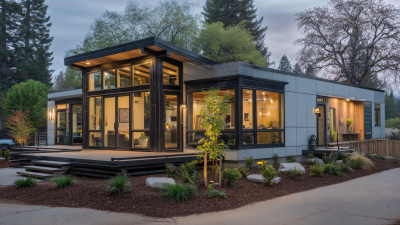
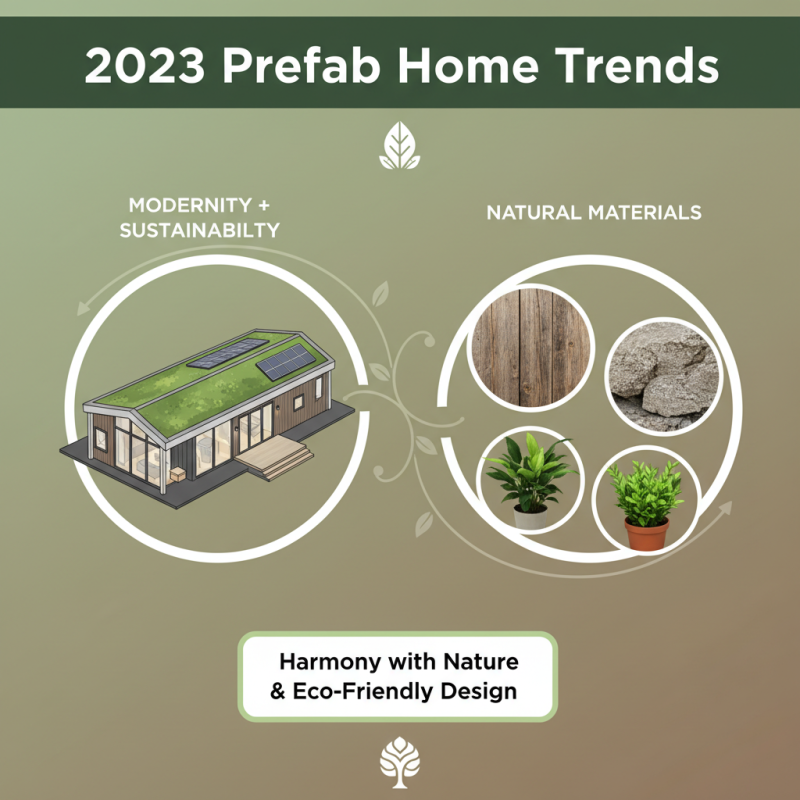
In 2023, the aesthetic trends in prefab manufactured homes are embracing a blend of modernity and sustainability, reflecting the growing desire for harmony between living spaces and the environment. One of the standout features this year is the use of natural materials, such as reclaimed wood and stone, which not only enhance the visual appeal but also contribute to the eco-friendliness of the homes. These elements create a warm and inviting atmosphere while minimizing the overall carbon footprint, aligning with the increasing demand for sustainable living options.

Another emerging design trend is the incorporation of open floor plans coupled with large windows that maximize natural light. This emphasis on brightness and spaciousness fosters a sense of tranquility, which is particularly appealing for those looking to escape the hustle and bustle of urban life. Additionally, biophilic design principles are gaining momentum, with homeowners seeking to integrate outdoor elements into their interiors. Features like indoor gardens, living walls, and seamless transitions from indoor to outdoor living spaces are becoming commonplace, further blurring the lines between nature and home.
Sustainable Materials: Eco-Friendly Innovations in Prefabrication

The trend of using sustainable materials in the prefabrication industry has been gaining momentum in 2023, as eco-conscious consumers demand homes that not only meet their aesthetic desires but also contribute positively to the environment. Prefab manufacturers are increasingly turning to innovative materials such as reclaimed wood, recycled steel, and low-VOC (volatile organic compounds) products to construct energy-efficient homes. These materials not only reduce waste but also minimize the overall carbon footprint associated with traditional building practices.

In addition to improving sustainability, these eco-friendly innovations promote healthier living environments. By reducing hazardous emissions and incorporating natural materials, homes can achieve superior indoor air quality, benefiting the well-being of occupants. Moreover, advancements in technology allow for better insulation and energy management systems, making it easier for homeowners to maintain a comfortable climate while reducing energy consumption. As these trends continue to flourish, the industry is set to redefine modern living, showcasing that luxury and sustainability can coexist harmoniously in the realm of prefabricated homes.

Top 10 Prefab Manufactured Homes Trends You Need to Know in 2023 - Sustainable Materials: Eco-Friendly Innovations in Prefabrication

Trend Description Advantages Sustainability Impact
Recycled Materials Utilizing recycled steel, wood, and plastic in construction. Reduces waste, lowers material costs, and promotes circular economy. Minimizes resource depletion and landfill use.
Energy Efficient Designs Incorporating high-efficiency windows, insulation, and energy systems. Lowers energy bills and increases comfort. Significantly reduces carbon footprint over lifetime.
Green Roofs Installing vegetation on rooftops to enhance insulation and biodiversity. Improves air quality and reduces heat island effect. Enhances urban ecosystems and mitigates climate impacts.
Smart Home Technology Integrating smart systems for energy management and efficiency. Increases convenience and optimizes energy use. Promotes sustainable living through monitoring and reduction of energy waste.
Modular Construction Building components off-site and assembling on-site to save time and resources. Increases efficiency and reduces construction waste. Lower environmental impact due to less material use and wastage.
Natural Building Materials Using natural resources like bamboo, straw, and earth for construction. Renewable and sustainable alternatives to traditional materials. Encourages sustainable forestry and farming practices.
Zero Energy Homes Homes designed to generate as much energy as they consume. Reduces utility costs and energy dependency. Promotes renewable energy usage and reduces greenhouse gas emissions.
Water Conservation Systems Implementing rainwater harvesting and greywater recycling. Conserves water resources and reduces water bills. Helps mitigate water scarcity issues in urban areas.
Biophilic Design Designing homes to connect occupants with nature. Enhances well-being and productivity. Promotes biodiversity and ecosystem health.
Community-Centric Developments Designing neighborhoods that foster community engagement and sustainability. Strengthens community ties and reduces transportation needs. Promotes shared resources and reduces overall environmental impact.

Smart Technology Integration: Advancements in Home Automation

The integration of smart technology in prefab manufactured homes is revolutionizing the way we live. In 2023, advancements in home automation offer unprecedented convenience and efficiency for homeowners. From smart thermostats that learn your schedule to automated lighting systems that adjust based on occupancy, these technologies help reduce energy consumption while enhancing comfort. Homeowners can now control various aspects of their living environment remotely, creating a personalized experience that suits their lifestyle.

When considering smart technology for your prefab home, keep these tips in mind: First, focus on systems that allow for seamless integration. Look for devices that communicate effectively with each other, forming a cohesive smart home ecosystem. Secondly, prioritize user-friendly interfaces; technology should enhance your life, not complicate it. Finally, evaluate energy efficiency ratings of smart devices, as these can result in long-term savings on utility bills.

As we continue to adapt to an increasingly digital world, the presence of smart technology in manufactured homes will only grow. Homebuyers are likely to seek out features such as security systems that can be accessed via smartphone apps and voice-activated assistants that streamline everyday tasks. Embracing these advancements in home automation not only elevates the quality of life but also contributes to sustainable living practices, making prefab homes more appealing than ever.

Modular vs. Traditional: Changes in Consumer Preferences

In 2023, a notable shift is occurring in consumer preferences regarding housing, particularly between modular and traditional homes. According to a recent industry report, sales of manufactured homes have increased by over 20% this year, reflecting a growing acceptance of prefab options. Homebuyers are increasingly drawn to the affordability and design flexibility that modular homes offer, often viewing them as a viable alternative to traditional construction. This trend indicates a broader recognition of the benefits associated with manufactured housing, such as reduced construction time and minimized waste.

Tips for potential homebuyers include researching local zoning laws, as these can significantly affect where and how modular homes can be placed. Additionally, consider engaging with manufacturers who prioritize sustainability, as eco-friendly materials and energy-efficient designs are becoming increasingly important to consumers.

Furthermore, the customization capabilities of modular homes are making them particularly appealing to younger generations. A survey indicated that nearly 70% of millennials would prefer a customizable layout over a traditional home with fixed design elements. This trend highlights a desire for personalization and modern living spaces. It is essential for prospective buyers to assess their specific needs and preferences when deciding on their future home, ensuring they find the right balance of functionality and style.

Prefab Manufactured Homes Trends in 2023

Affordable Living: The Rise of Budget-Friendly Prefab Options

Top 10 Prefab Manufactured Homes Trends You Need to Know in 2023

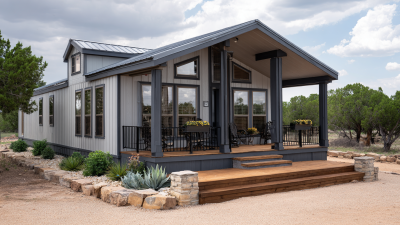
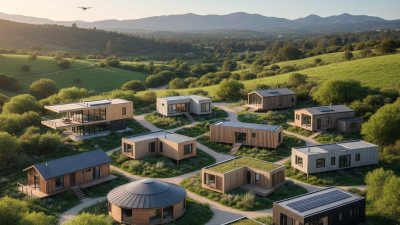
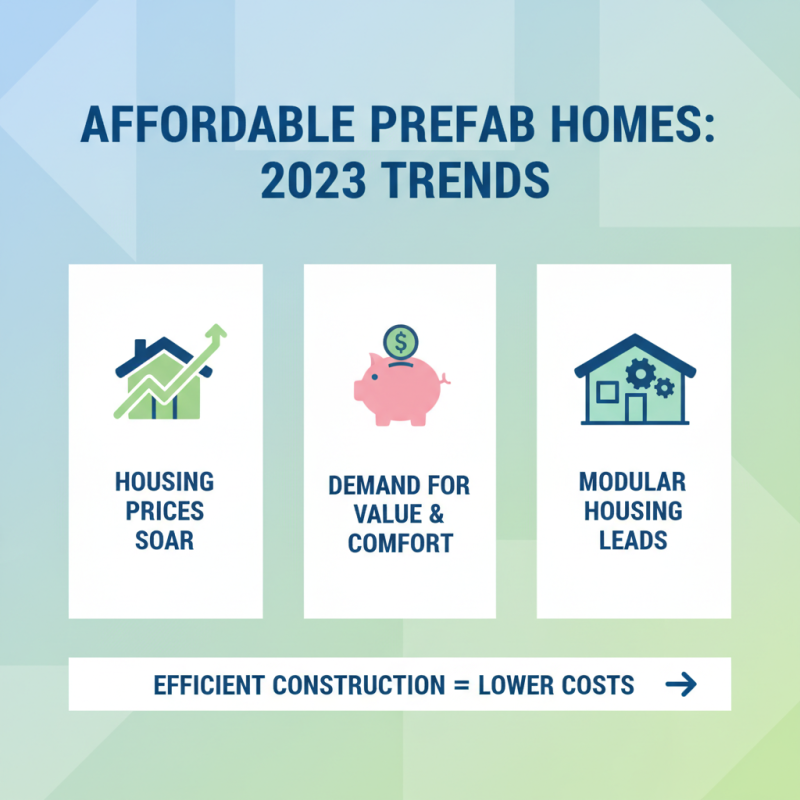
The trend towards affordable living has significantly shaped the landscape of prefab manufactured homes in 2023. As housing prices continue to soar, more individuals and families are seeking innovative solutions that offer both value and comfort. This has led to a surge in budget-friendly prefab options, designed to meet the needs of those who prioritize cost-effective living without compromising on quality or style. Modular housing, in particular, has gained traction due to its efficient construction process, which significantly reduces labor costs and time, ultimately resulting in lower prices for buyers.

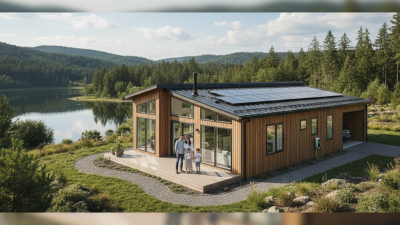
In response to the growing demand, manufacturers are focusing on creating versatile designs that appeal to a wide audience. Modern prefab homes now come in various shapes and sizes, allowing for customization to fit different lifestyles and preferences. Additionally, advancements in sustainable building materials have made these homes not only more affordable but also environmentally friendly. As energy efficiency becomes a priority for many homeowners, new budget-friendly options often include features such as solar panels and superior insulation, which help to reduce ongoing utility costs. This shift towards affordability and sustainability highlights the evolving priorities of today’s homebuyers, making prefab homes an increasingly attractive choice in the current housing market.