7 Best Affordable Modular Homes for Sale Worldwide

Finding a practical home can feel overwhelming when prices, shipping distances, and building standards vary worldwide. This guide explores seven affordable modular homes designed for different budgets, climates, and lifestyles.

These homes are built in controlled factory environments, where measurements and materials receive consistent inspection. Some models include compact kitchens, insulated walls, bathrooms, and energy-efficient windows. Others arrive as unfinished shells, requiring additional interior work. That difference matters.

Real costs extend beyond the advertised price. Buyers should check transport fees, foundation preparation, utility connections, permits, taxes, and local installation services. A low starting price can change quickly after site work begins. Climate also deserves attention. A coastal home needs moisture protection, while a cold-region design may require stronger insulation and heating systems.

This selection considers published specifications, construction quality, floor-plan efficiency, customization options, and supplier transparency. It also reflects common advice from modular building professionals and experienced homeowners. However, no single design fits every location or family. Our choices are useful starting points, not universal answers.

Some details remain uncertain.

Manufacturers may update prices, materials, and delivery regions without notice. Buyers should request current quotations, warranty terms, structural documents, and references before making commitments. Local architects, engineers, and building officials can confirm whether a selected home suits the site. With careful research, affordable modular homes can offer attractive space, predictable construction, and a faster path toward ownership. They are not automatically perfect, but thoughtful comparison can prevent expensive surprises.
7 Best Affordable Modular Homes for Sale Worldwide

What Makes a Modular Home Affordable and Suitable for Global Buyers

Affordable modular homes are not defined by the factory price alone. A low purchase price can become expensive after shipping, foundation work, permits, taxes, and local installation. Global buyers should request a complete cost breakdown before signing anything. The design should also match local weather, insulation needs, plumbing standards, and electrical requirements. A compact plan with fewer custom features usually saves money. However, very cheap materials may create higher repair costs later.

Tips: Compare the delivered price, not the advertised price. Ask about transport damage, replacement parts, warranty coverage, and assembly support. Check whether local professionals can inspect the structure before installation. Currency changes can also affect your budget. Keep a small reserve for unexpected site work.

Reliable modular housing requires more than attractive photographs. Buyers should review structural drawings, fire safety details, energy performance, and moisture protection. Homes for colder regions may need stronger insulation and sealed windows. Coastal locations may require corrosion-resistant fixtures and careful anchoring. Local building approval remains essential, even when the home arrives partly finished. Some sellers provide clear documents; others leave buyers guessing, which is a warning sign. I would not choose a model based only on size or appearance. A smaller, adaptable home may be more suitable than a larger unit with expensive modifications. Always verify claims independently with qualified local inspectors.

Seven Affordable Modular Home Models Available in Different Regions

Seven Affordable Modular Home Models Available in Different Regions

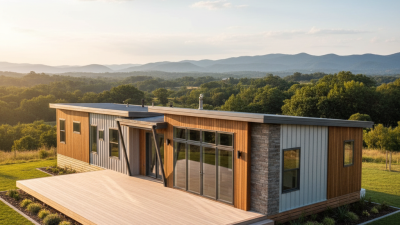
Affordable modular housing now varies by climate, transport access, and local building rules. The Compact Studio Pod suits urban North America, with one room, a kitchenette, and a fold-down desk. The Nordic One-Bedroom Cabin fits Scandinavia and uses insulated timber panels for snowy conditions. The Mediterranean Courtyard Unit works in Southern Europe, where shaded outdoor space can reduce indoor heat. Small details matter.

In Australia and New Zealand, the Two-Bedroom Transportable Home offers separate sleeping areas and a practical laundry zone. The Southeast Asian Raised Module suits flood-prone locations, using elevated foundations and ventilated floors. In Latin America, the Incremental Starter Module allows owners to add rooms later. The East African Solar Courtyard Home combines compact bedrooms with roof-mounted energy systems. These seven models are not equally affordable everywhere. Delivery distance, foundation work, utilities, and permits can change the final price sharply.

McKinsey’s modular construction research indicates that factory-built methods may reduce project schedules by 20–50%, with potential cost savings in repeatable projects. The 2023 Global Status Report for Buildings and Construction also highlights buildings’ major share of worldwide energy demand, making insulation and passive cooling essential. Tips: Compare installed prices, not catalogue prices. Ask for transport, foundation, connection, and inspection fees in writing. Check regional wind, snow, fire, and energy standards before paying a deposit. A cheaper shell may become expensive after upgrades. That part is often underestimated.

7 Best Affordable Modular Homes for Sale Worldwide

Seven affordable modular home models available in different regions

The chart compares representative entry-level modular home configurations by region. Prices are indicative base prices in USD and generally exclude land, foundations, transport, utility connections, taxes, and interior upgrades. Floor areas and price levels reflect commonly advertised regional market ranges.

Key Features, Sizes, Materials, and Prices of Each Modular Home

7 Best Affordable Modular Homes for Sale Worldwide

A compact studio module usually measures 20–30 square meters and costs about $25,000–$45,000. Steel framing, insulated wall panels, and a small kitchen keep construction simple. It suits a single resident or a backyard office. Small, but practical. A 35–50-square-meter one-bedroom module often costs $40,000–$70,000. Expect a bedroom, bathroom, living area, and basic plumbing. Timber framing creates a warmer interior, although it may need more maintenance in wet climates.

The 60-square-meter family module ranges from $65,000–$100,000. It commonly includes two bedrooms, a pitched roof, fiber-cement siding, and energy-efficient windows. A 75-square-meter expandable home may cost $80,000–$125,000. Its sliding walls or extra sections allow future growth. A sensible compromise. For colder regions, a 45-square-meter insulated panel home can cost $55,000–$90,000. Mineral wool insulation, triple-glazed windows, and heat-pump readiness improve comfort, but raise installation expenses.

A 90-square-meter two-story module typically sells for $110,000–$160,000. It uses engineered timber or light-gauge steel and saves land space. A 120-square-meter multi-module home may reach $150,000–$230,000. It offers three bedrooms, larger kitchens, and separate utility rooms. Prices are estimates, not fixed quotations. Transport, foundations, permits, utility connections, and local labor can add 20–40 percent. That gap matters. Buyers should request structural drawings and a detailed delivery schedule before comparing prices.

7 Best Affordable Modular Homes for Sale Worldwide - Key Features, Sizes, Materials, and Prices of Each Modular Home

No. Modular Home Type Typical Market Approx. Size Bedrooms / Bathrooms Key Features Main Materials Estimated Home Price (USD) Typical Build Time
1 Compact Studio Module Europe, North America, Australia 160–240 sq. ft.
(15–22 m²)
Studio / 1 bathroom Open-plan living area, compact kitchen, built-in storage, large energy-efficient windows, and optional fold-down furniture. Galvanized light-steel frame, insulated sandwich panels, fiber-cement exterior cladding, vinyl or laminate flooring. $25,000–$55,000 6–12 weeks
2 40-Foot Modular Container Home Worldwide, especially urban and coastal markets 300–360 sq. ft.
(28–33 m²)
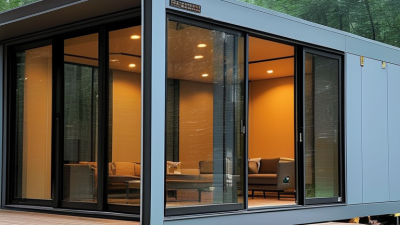
1 bedroom / 1 bathroom Reinforced steel structure, separate bedroom, full bathroom, compact kitchen, rooftop or side-deck options, and rapid installation. Repurposed steel shipping-container shell, rock-wool insulation, steel or aluminum cladding, and moisture-resistant interior boards. $35,000–$75,000 8–16 weeks
3 Single-Story Modular Cabin Canada, the United States, Scandinavia, New Zealand 400–550 sq. ft.
(37–51 m²)
1 bedroom / 1 bathroom Open living and dining space, covered porch, steep roof option for snow regions, compact utility room, and passive-solar window placement. Timber or light-gauge steel frame, mineral-wool insulation, wood or fiber-cement siding, metal roofing, and plywood or gypsum interiors. $60,000–$115,000 3–6 months
4 One-Bedroom Family Module United Kingdom, Germany, France, Japan, Australia 550–700 sq. ft.
(51–65 m²)
1 bedroom / 1 bathroom Separate bedroom, full-size kitchen, accessible bathroom layout, heat-pump readiness, high-performance glazing, and optional solar installation. Factory-built timber or steel frame, recycled-cellulose or mineral-wool insulation, fiber-cement panels, engineered wood flooring. $85,000–$150,000 4–8 months
5 Two-Bedroom Modular Bungalow United States, Canada, Australia, South Africa 750–950 sq. ft.
(70–88 m²)
2 bedrooms / 1–2 bathrooms Single-level accessibility, combined kitchen and living room, laundry area, front porch, cross-ventilation, and optional wheelchair-friendly finishes. Timber-frame or steel-frame modules, structural insulated panels, fiber-cement or treated-wood siding, asphalt-shingle or metal roof. $120,000–$210,000 5–9 months
6 Three-Bedroom Modular Family Home Europe, North America, Australia, selected Asian markets 950–1,250 sq. ft.
(88–116 m²)
3 bedrooms / 2 bathrooms Family-sized kitchen, open-plan living zone, two bathrooms, dedicated storage, improved acoustic insulation, and optional smart-home controls. Precision-cut timber frame or cold-formed steel, mineral wool or cellulose insulation, fiber-cement cladding, composite or metal roofing. $170,000–$295,000 6–12 months
7 Two-Module Eco Home Western Europe, North America, Japan, New Zealand 1,200–1,500 sq. ft.
(111–139 m²)
3 bedrooms / 2 bathrooms Two connected factory-built sections, flexible home office, spacious kitchen, high airtightness, balanced ventilation, rainwater-use option, and rooftop solar readiness. Engineered timber or light-steel frame, structural insulated panels, recycled or fiber-cement façade, triple-glazed windows, standing-seam metal roof. $230,000–$390,000 8–14 months

Price note: The figures are broad 2024–2026 international market ranges for the factory-built home package only. Land, foundations, transportation, utility connections, permits, taxes, site preparation, interior upgrades, and local labor may add approximately 20%–50% or more, depending on location and project conditions.

How to Compare Modular Homes by Quality, Delivery, and Installation

Affordable modular homes deserve comparison beyond their advertised price. Quality starts with the specification, not the showroom image. Check wall thickness, insulation values, roof loading, window ratings, and moisture protection. Ask for factory quality-control records and independent inspection results. The International Energy Agency reports that buildings account for about 30% of global energy demand. Better insulation can therefore affect long-term affordability.

Delivery needs a realistic schedule. McKinsey Global Institute’s 2019 report found that modular construction can reduce project timelines by 20% to 50%, although results vary by design and location. Confirm manufacturing time, customs procedures, port handling, and local transport access. A low quote may exclude cranes, foundations, utility connections, or permits. That is where budgets quietly expand. I have learned to request a written delivery sequence, with responsibilities assigned to specific parties.

Installation quality can decide whether a good module performs well. Review foundation tolerances, lifting plans, weather protection, and final sealing procedures. The Modular Building Institute’s 2024 industry reporting shows continued growth in permanent modular construction, but growth does not remove site risks. Visit a completed project when possible. Look closely at joints, flooring transitions, bathroom seals, and service panels. They reveal workmanship quickly. My checklist is useful, but imperfect. Local climate, labor standards, and building codes can change the result dramatically. Ask an independent surveyor to verify compliance before payment.

Legal, Financial, and Practical Factors Before Buying a Modular Home

Affordable modular homes can reduce construction time, but the advertised price rarely tells the whole story. Land ownership, zoning approval, transport access, and foundation work may add substantial costs. In some countries, modular buildings require the same permits as conventional houses. In others, rules differ by region. Ask the local planning office for written confirmation before paying a deposit. Check the land.

Financial planning needs more than a purchase price. Request an itemized quotation covering delivery, installation, utility connections, taxes, insurance, and site preparation. Some lenders treat modular homes differently from permanent buildings. Confirm financing terms before signing a sales agreement. Review currency risks when buying internationally. Exchange rates can change quickly. A qualified surveyor, solicitor, or local housing adviser can identify contract weaknesses and ownership restrictions. Their fees may prevent expensive mistakes.

Tips: Visit a completed home, if possible, and inspect insulation, ventilation, drainage, and window seals. Ask how defects are reported and how long repairs usually take. Read the warranty carefully, including exclusions and geographic limits. Confirm who remains responsible for damage during transport. Do not rely only on digital images. They can hide uneven floors or poor finishing. I would also keep a contingency fund of at least 10–15 percent, although this estimate may be too low on remote sites. Cheap can become complicated.