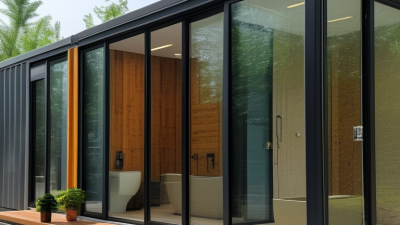
7 Best Prefabricated Modular Homes for Global Buyers
Choosing a home across borders requires more than attractive photographs and a low quoted price. Prefabricated modular homes can offer efficient construction, controlled manufacturing, and flexible layouts. Yet global buyers must examine the complete purchase journey. Factory quality does not remove local responsibilities.
This guide introduces seven strong options for international buyers. Each selection is considered through practical criteria, including material quality, energy performance, transport planning, assembly support, warranty terms, and design adaptability. Climate matters. A coastal home may need corrosion-resistant fittings, while a cold-region model requires careful insulation and ventilation. Local building approval remains essential, even when the home arrives largely finished.
Reliable manufacturers usually provide technical drawings, structural information, and clear delivery schedules. They should also explain what the quoted price excludes, such as foundations, utility connections, permits, taxes, or crane access. These details can change the final budget significantly. Ask for independent certifications where available. Check references from completed projects, not only showroom images.
No option is perfect. Some designs look spacious but lose storage after furniture arrives. Others travel efficiently but offer limited customization. Plans change. Shipping delays, site conditions, and regional labor costs can create surprises. This review therefore avoids treating any model as universally superior. Instead, it highlights where each home performs well, where it may disappoint, and which buyer it best suits. With realistic expectations and professional local advice, readers can compare seven prefabricated modular homes more confidently and avoid expensive assumptions.

What Prefabricated Modular Homes Are and Why Global Buyers Choose Them
A prefabricated modular home is built in controlled factory sections, then transported and assembled on a prepared site. Rooms may arrive with wiring, plumbing, insulation, windows, and finishes already installed. This process can reduce weather delays and improve production consistency. It also creates less on-site waste. However, modular does not mean identical. Buyers can often adjust layouts, insulation levels, storage, and interior finishes.
Global buyers choose these homes for speed, predictable quality, and flexible design. A factory-built structure may suit a remote holiday site, a growing family, or temporary accommodation during a housing shortage. Yet shipping distance, import duties, local permits, and foundation requirements affect the final cost. Climate matters too. A home designed for a mild region may need stronger insulation, ventilation, or corrosion protection elsewhere. The trade-off is real. Factory precision cannot repair a poor site decision.
Tips: Confirm local building codes before paying a deposit. Ask for structural drawings, material specifications, fire-safety details, and a clear installation scope. Check who handles transport, cranage, utility connections, inspections, and warranty claims. Visit a completed project if possible. It reveals details that brochures hide, such as door alignment, drainage, and floor movement. Buyers should also use an independent local professional. That extra review may feel slow, but it can prevent expensive changes after delivery.
Key Features to Compare in the Best Modular Homes
For global buyers comparing the seven best prefabricated modular homes, the best choice is not always the cheapest. McKinsey’s 2019 modular-construction analysis found that modular projects can finish 20–50% faster and reduce costs by up to 20%. However, these gains depend on transport distance, local labor, and foundation conditions. Compare the factory quality system, inspection records, and dimensional tolerances. A well-built module should arrive with sealed joints, consistent insulation, and protected wiring. Ask how the home performs after repeated shipping and installation. This detail is often overlooked.
Energy performance deserves equal attention. The International Energy Agency’s 2023 buildings report states that buildings consume about 30% of global final energy. Compare wall U-values, window specifications, airtightness testing, ventilation, and shading. A beautiful floor plan may still feel cold beside a poorly insulated window. Check whether the design suits humid, cold, coastal, or hot climates. Also review local code approval, fire resistance, plumbing standards, spare-part access, and warranty response times. These features affect ownership more than showroom finishes.
Tips: Request a full lifecycle-cost sheet, not only the factory price. Confirm transport, crane hire, foundations, permits, and site connections in writing. Ask for independent energy-test results. Data can look impressive, but real performance may vary. I would also inspect one occupied home, if possible, because drawings rarely reveal noise, condensation, or difficult maintenance.
Seven Leading Prefabricated Modular Home Options Worldwide
Global buyers can explore seven practical prefabricated modular home options.
Each option needs local checking before purchase. A coastal site may require corrosion-resistant fixings and elevated foundations. Cold regions need tested insulation, airtight windows, and protected plumbing. Hot climates benefit from shaded glazing, cross-ventilation, and reflective roofing.
Buyers should request structural calculations, fire-performance evidence, material specifications, and installation records. Do not rely on attractive renderings alone. They can hide transport limits, crane access, drainage work, and connection costs.
Experienced installers also inspect the site before production, because a small slope can change foundation pricing. Certification requirements differ between countries, and approval may depend on local wind, snow, seismic, and energy rules.
Some factory promises sound convincing but remain vague. Ask who carries responsibility when a module arrives damaged or measurements prove wrong.
A modest design often performs better than an ambitious one with untested details. Allow space for maintenance, future repairs, and the occasional mistake.
Costs, Regulations, and Delivery Considerations by Region
Choosing among the seven best prefabricated modular homes requires more than comparing floor plans. A compact studio may cost less than a three-bedroom unit, but transport, foundations, permits, and utility connections can change the final budget. In North America, buyers should check snow loads, wind ratings, energy codes, and local zoning rules. European projects often require strict insulation, fire safety, and energy-performance documentation. Costs can rise when imported units need electrical adjustments.
Delivery planning differs sharply by region. In remote Australia or island markets, sea freight, port handling, inland trucking, and crane access may exceed factory costs. Buyers in Southeast Asia should review flood resistance, humidity protection, and local foundation practices. In colder regions, winter road restrictions can delay oversized transport. Customs classification and inspection requirements also vary, even between neighboring countries. A supplier’s delivery estimate is useful, but it is not a guarantee. I have seen schedules fail because site access was measured too late.
Tips: Request a complete landed-cost quotation. Ask for structural certificates accepted by your local authority. Confirm who manages permits, customs, unloading, and installation. Measure bridges, gates, turning areas, and crane positions before ordering. Keep a contingency of 10–20% for site surprises. Do not assume a standard model meets local rules. A small design change may prevent an expensive redesign. Some buyers focus heavily on the unit price and overlook foundations, drainage, and service connections. That mistake remains common.
How to Select the Right Modular Home for Your Needs
Choosing among the seven best prefabricated modular homes requires more than comparing floor plans. Start with local building codes, wind ratings, snow loads, and energy requirements. A home designed for a mild climate may perform poorly beside a cold, humid coastline. Ask for structural calculations, material specifications, and third-party inspection records. Details matter.
McKinsey reported that modular construction could represent about 20% of new construction in some markets, with major cost and schedule benefits. However, those benefits depend on transport distance, site access, and factory quality control. Measure the road before approving a wide module. Check crane access, foundation tolerances, utility connections, and local installation labor. A low factory price can become expensive after difficult delivery.
Energy performance deserves equal attention. The 2023 Global Status Report for Buildings and Construction found that buildings consumed 34% of global energy and produced 37% of energy and process-related emissions in 2022. Compare insulation values, window performance, ventilation systems, and heating demand, not just advertised efficiency. Request tested data rather than attractive claims. Also examine warranty coverage, replacement parts, and maintenance access. The uncomfortable truth is that the “best” home may not be the cheapest or largest. My own selection framework would still leave room for revision after a site visit, because soil, weather, and transport assumptions are often imperfect.
7 Best Prefabricated Modular Homes for Global Buyers
How to select the right modular home for your needs: compare common housing profiles by typical floor area and estimated factory-to-site schedule.
The figures are practical industry reference estimates for standardized modular construction. Actual schedules depend on local permits, foundations, transport distance, site access, climate requirements, and interior specifications.
Related Posts
-
How to Buy Prefab Modular Homes Worldwide?
-
Why Are Prefabricated Small Homes So Popular?
-

Best Prefab Modular Buildings for Your Next Project?
-

Top 10 Advantages of Prefabricated Small Homes for Modern Living?
-

2026 Best Modular House Designs for Sustainable Living Solutions?
-
How to Choose the Best Prefab Houses for Global Buyers?