What are Prefab Houses and Why Choose Them for Your Home?
Prefab houses are gaining popularity as a modern housing solution. These homes are built off-site and assembled on location. With advancements in technology, they offer flexibility and efficiency. According to Thomas O’Connor, a leading expert in modular construction, "Prefab houses provide a unique blend of affordability and design flexibility." This makes them an appealing choice for many.
Building with prefab houses can lead to significant time savings. The construction process is streamlined, often reducing the build time to a fraction of traditional methods. However, some challenges exist. Limited customization options may frustrate buyers looking for a truly personalized touch.
The eco-friendly nature of prefab houses is another aspect worth considering. Many use sustainable materials and energy-efficient designs. Yet, not all prefab builders adhere to these principles. Prospective homeowners should research their options thoroughly. Trust in the industry varies, and ensuring reliability is crucial.
What are Prefab Houses?
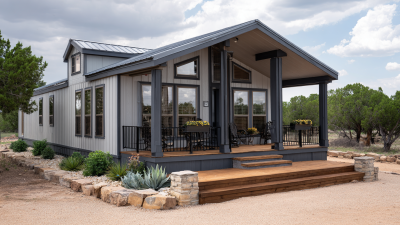
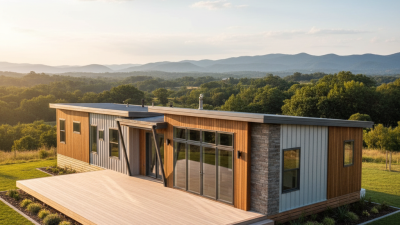
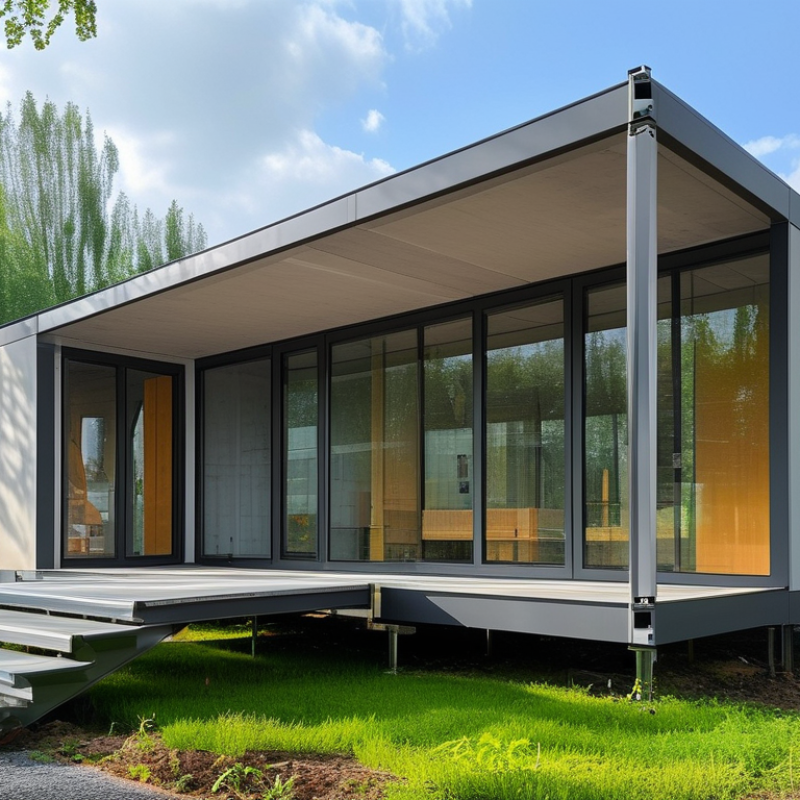
Prefab houses, or prefabricated houses, are structures manufactured off-site and assembled on location. They come in various styles, from modern designs to traditional looks. According to a report by the National Association of Home Builders, 15% of new single-family homes in the U.S. are now prefabricated. This trend highlights the growing acceptance of these homes in the mainstream market.
These houses are often constructed faster than traditional homes. Typically, prefab homes take about half the time to build. This efficiency can lead to significant cost savings, with the cost of building a prefab home being 10-20% less than conventional homes, according to the Modular Home Builders Association. It's important to choose a reliable manufacturer to ensure quality and compliance with safety standards.
**Tip:** Always check local building codes before purchasing a prefab home.
Many people are surprised by the design flexibility of prefab homes. They can be tailored to meet specific needs and preferences, which is not always easy with traditional construction. However, there are trade-offs. The initial selection of designs may limit your customization options later.
**Tip:** Prioritize your must-haves and discuss them with your builder early on.
When considering a prefab home, remember to examine the long-term implications. While they can be energy-efficient, building quality can vary significantly. Conduct thorough research to ensure the home meets your expectations for durability and comfort.
Types of Prefab Houses Explained
Prefab houses, or prefabricated homes, have gained popularity for their efficiency and unique designs. Understanding the various types can help potential homeowners make informed choices.
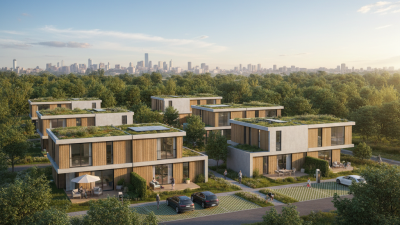
There are several categories of prefab houses. Manufactured homes are built in factories and transported as a complete unit. These homes often offer cost savings and speed. Modular homes come in sections and are assembled on-site. They provide customization options and adhere to local building codes. Panelized homes involve pre-cut materials that are assembled on location. This type allows for a mix of convenience and DIY construction.
Tips: When choosing a prefab house, consider the local climate and regulations. Research the insulation quality and energy efficiency ratings. Planning for future needs can save you from costly renovations later. Potential drawbacks include limited financing options and finding a suitable lot. Make sure to weigh these factors carefully. Always consult with experts to ensure a thorough understanding before making a commitment.
Understanding Prefab Houses: Types and Popularity
Benefits of Choosing a Prefab House
Prefab houses are becoming increasingly popular. They offer many benefits that appeal to modern homeowners. One significant advantage is the speed of construction. These homes are built in a factory and assembled on-site. This process can drastically reduce the time spent building a home, allowing families to move in quickly.
Cost-effectiveness is another key benefit. Prefab homes often come with lower price tags than traditional houses. This affordability can make homeownership more accessible for many. However, potential buyers should be aware of hidden costs. Site preparation and foundation work can add up. Quality can vary between manufacturers, leading to differing levels of durability and energy efficiency.
Flexibility is also an appealing factor. Many prefab designs allow customization, meaning homeowners can choose layouts and finishes. This can cater to individual tastes and needs. However, some designs may have limitations in customization. It's essential to carefully research options. Thus, a prefab home could be the perfect fit, but potential buyers must weigh their choices.
What are Prefab Houses and Why Choose Them for Your Home? - Benefits of Choosing a Prefab House
| Attribute |
Description |
| Cost-Effectiveness |
Prefab houses typically cost less than traditional homes due to reduced labor and material costs. |
| Construction Speed |
They can be built much faster, with some projects completed in just a few months. |
| Sustainability |
Many prefab homes are built using eco-friendly materials and practices, reducing environmental impact. |
| Customization Options |
They offer various design options, allowing homeowners to create unique spaces that fit their needs. |
| Quality Control |
Being constructed in a controlled environment, prefab homes tend to have more consistent quality. |
| Energy Efficiency |
They often incorporate energy-efficient designs and materials, leading to lower utility bills. |
Considerations Before Buying a Prefab House
When considering prefab houses, potential buyers must evaluate key aspects before making a decision. First, costs can vary significantly. A report from the Harvard Joint Center for Housing Studies states that while traditional homes average around $375,000, prefab homes can be built for about 20-30% less. However, unexpected expenses may arise during site preparation and installation, so budgeting accurately is essential.
Next, the design flexibility of prefab homes is noteworthy. Buyers can select from numerous layouts, materials, and customizations. Yet, it's crucial to note that some designs may face local zoning regulations or building codes. Research by the National Association of Home Builders indicates that around 40% of potential homeowners experience delays due to regulatory issues. Understanding local laws can help minimize setbacks.
Lastly, consider the long-term value of a prefab home. According to a study from the National Renewable Energy Laboratory, energy-efficient prefab houses can lead to savings of 50% on utility bills. But not all prefab homes are created equal in efficiency. Investigating the materials and technologies used in construction can determine whether a home will meet energy goals. Weighing these considerations carefully is vital for making an informed choice.
The Future of Prefab Housing Industry
The prefab housing industry is on the rise. According to a recent analysis by Global Market Insights, the prefab market is expected to grow substantially, reaching over $200 billion by 2027. This rapid growth reflects a shift in consumer preferences towards sustainable and efficient living solutions.
Prefab houses can reduce construction waste by up to 90%, which is a significant contribution to environmental sustainability. Modular homes often manufacture building components in factories, leading to more controlled environments and less waste. Not only that, but the construction process can be completed in half the time compared to traditional homes.
Tip: When considering prefab housing, research local regulations and zoning laws. Some areas have restrictions that may affect your plans.
It’s important to discuss the challenges as well. Many buyers might encounter quality concerns or limited customization options. A report from the National Association of Home Builders suggests that despite these issues, customer satisfaction remains high when quality is assured. Awareness of these factors will help future homeowners make informed choices.
Tip: Connect with existing prefab homeowners to gather experiences and insights. This can provide a realistic view of what to expect.