Top Tips for Choosing Large Prefab Homes for Your Needs?
In recent years, large prefab homes have gained immense popularity. According to a report by IBISWorld, the prefab housing industry has seen an annual growth rate of 6.2% over the past five years. This surge reflects a shift in consumer preferences towards sustainable and efficient living solutions. Large prefab homes offer unique benefits, such as reduced construction time and lower environmental impact.
Choosing the right large prefab home can be challenging. Buyers often face questions about quality, design, and cost. A survey by Statista indicates that 58% of consumers prioritize energy efficiency in their housing choices. This factor can significantly affect long-term utility costs and overall satisfaction. Additionally, potential owners must consider customization options and whether the design meets their lifestyle needs.
As you explore the market, keep in mind the importance of reliable sources. Not every company upholds the same standards. Some manufacturers may overpromise on construction timelines or material quality. It's crucial to gather reviews and insights from current owners of large prefab homes. This will help you avoid common pitfalls and make a more informed decision on your dream home.
Understanding Prefab Homes: Definition and Benefits
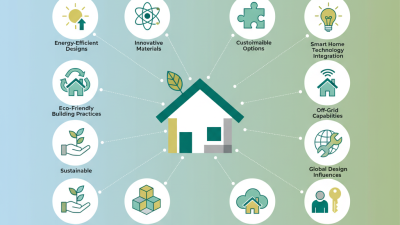
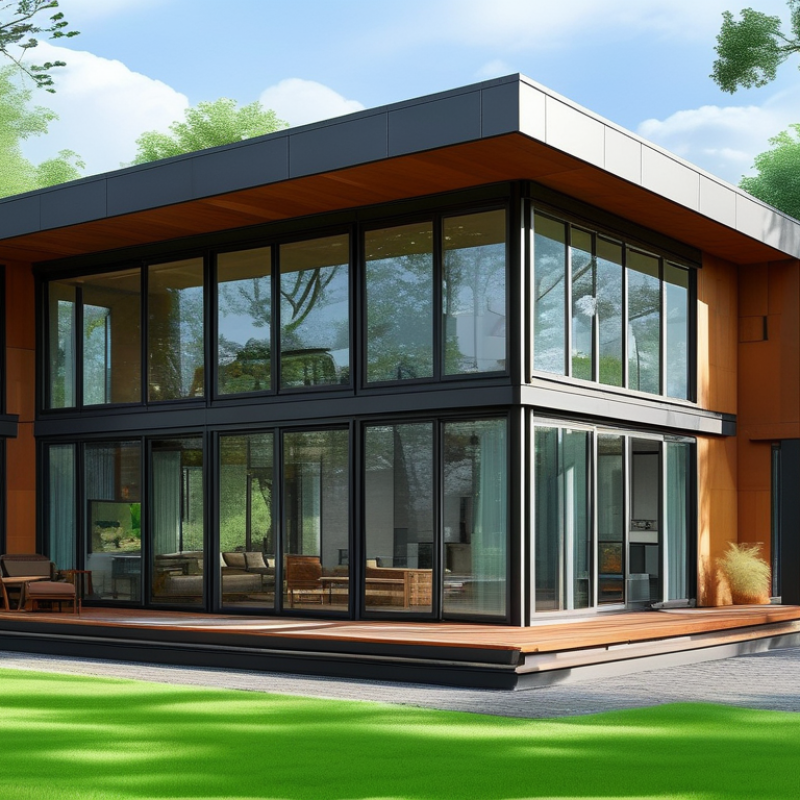
Prefab homes are gaining popularity for their efficiency and flexibility. These homes are constructed off-site, which often shortens the building process. Many buyers appreciate the customization options available. You can choose layouts and finishes that match your personal style. Moreover, prefab homes can be more sustainable than traditional homes. They often use eco-friendly materials and reduce waste during construction.
Understanding the benefits of prefab homes is crucial for potential buyers. They are often more affordable than site-built houses. This makes them an attractive choice for first-time homeowners or those on a budget. Additionally, prefab homes typically require less maintenance over time. Their construction quality is generally high due to controlled manufacturing conditions.
However, it is essential to consider potential downsides. Some people find it challenging to obtain financing for prefab homes. Resale value can also be a concern, as market perceptions vary. Researching local zoning laws is vital before making a decision. Addressing these issues upfront can help mitigate risks. A careful approach ensures a positive experience with prefab housing.
Top Tips for Choosing Large Prefab Homes for Your Needs
| Criteria |
Details |
| Size |
Consider the total square footage based on your family's needs; average sizes range from 1,800 to 3,200 sq ft. |
| Budget |
Set a realistic budget including land costs, installation, and any additional expenses; averages hover around $100-$200 per sq ft. |
| Design Options |
Explore various designs and layouts; popular styles include modern, traditional, and minimalist. |
| Building Materials |
Choose durable materials suitable for your climate; wood, steel, and concrete are common options. |
| Energy Efficiency |
Look for homes with energy-efficient features; consider insulation, windows, and renewable energy sources. |
| Timeline |
Understand the time required for manufacturing and installation; typically ranges from 3 to 6 months. |
| Manufacturer Reputation |
Research customer reviews and company history; reputable manufacturers often have a track record of quality service. |
Key Factors to Consider When Choosing Large Prefab Homes
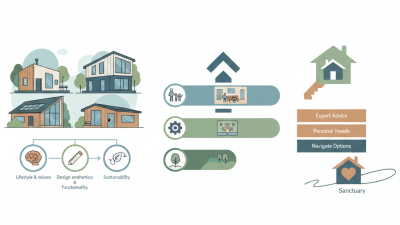
When selecting large prefab homes, one must consider several key factors that directly influence comfort and functionality. Space is vital. The average family seeks at least 2,500 square feet of living space, as indicated by recent housing studies. Ensure that the layout accommodates family needs and everyday activities. Open floor plans often enhance social interaction and make spaces feel larger.
Another critical aspect is sustainability. According to the U.S. Department of Energy, energy-efficient prefab homes use 20-30% less energy than traditional homes. Look for materials that provide durability and insulation. Green certifications may also indicate quality. This not only reduces utility bills but also contributes to environmental well-being.
Customization options cannot be overlooked. Many prefab homes offer various design choices. This helps match personal style and local climate demands. While it may seem appealing to stick with standard designs, customization can lead to future regrets if homes do not fully meet lifestyle needs. Being open to modifications can ultimately lead to greater satisfaction.
Analyzing Cost-Effectiveness of Large Prefab Homes
When considering large prefab homes, understanding cost-effectiveness is vital. Recent industry reports indicate that prefab homes can be 10-20% cheaper than traditional builds. This reduction is largely due to shorter construction timelines and reduced labor costs. Prefab homes are fabricated in controlled environments, minimizing waste and ensuring better quality control. These factors contribute to a more predictable and often lower overall price.
The initial savings are only part of the story. Long-term energy efficiency in large prefab homes is another compelling aspect. According to the U.S. Department of Energy, prefab structures can lead to a 30% reduction in energy usage compared to conventional homes. This efficiency can result in lower utility bills over time, improving the home's return on investment. However, potential buyers should consider additional costs related to land preparation and foundation laying, which can sometimes offset initial savings.
Financing can also play a role in overall cost-effectiveness. Many lenders offer favorable rates for prefab homes, due to their robust building standards and increased resale value. Still, it's essential to approach financing options with caution. Investigating potential hidden costs and understanding zoning laws can prevent future financial strain. Ensuring the project aligns with your budget and lifestyle remains a challenging yet necessary undertaking in the home-buying journey.
Cost-Effectiveness Analysis of Large Prefab Homes
This chart illustrates the comparative cost-effectiveness of various large prefab home designs considering total cost and potential savings over time.
Sustainability and Eco-Friendliness in Prefab Home Construction
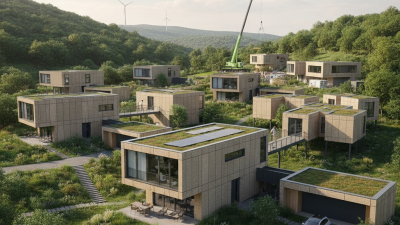
Sustainability is a key aspect of prefab home construction. Many consumers now seek eco-friendly solutions when choosing large prefab homes. According to a report by the U.S. Green Building Council, green buildings can reduce energy consumption by up to 30%. This trend pushes manufacturers to adopt sustainable practices. Materials sourced from recycled content or sustainably managed forests are increasingly common.
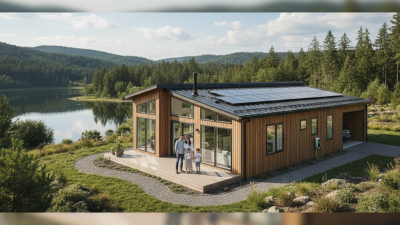
When selecting a prefab home, consider energy efficiency. Look for homes that have high insulation values. This reduces heating and cooling costs significantly. Furthermore, many prefab homes now come equipped with solar panel options. These reduce reliance on nonrenewable energy sources.
Choosing eco-friendly homes does require careful research. Not all manufacturers prioritize sustainability. Investigate certifications like LEED or Energy Star. This will ensure that the prefab home you select meets high environmental standards. Remember, ultimately, your choice can contribute positively to the planet.
Customization Options for Large Prefab Homes: What to Expect
When choosing large prefab homes, customization options play a crucial role. You can design your home to reflect personal tastes and needs. From floor plans to exterior finishes, the choices are extensive. Consider the layout that works best for your family. An open concept may suit some, while others prefer defined spaces.
Incorporating energy-efficient features is also essential. This includes insulation, windows, and appliances that minimize energy usage. Customizing these elements can reduce long-term costs and environmental impact. Take time to evaluate what is practical and sustainable for your lifestyle.
Budget considerations are important for customization. You may want to splurge on specific elements while finding ways to cut costs elsewhere. Reflect on where your priorities lie. A well-balanced approach ensures you achieve what you want without financial strain. This journey is about finding the right fit for your life. Embrace the imperfections and learn from your choices along the way.