
China Top 10 Pre Manufactured Homes Manufacturers?
China’s pre manufactured homes industry is becoming more visible in global housing supply chains. Buyers now compare factories, not just attractive catalog images. They examine structural systems, insulation, fire performance, production controls, and export experience.
The Global Market Insights Modular Construction Market Report estimates that modular construction will continue expanding through this decade. The United Nations also reports persistent urban housing pressure worldwide. These trends create practical demand for faster, factory-built housing. However, market figures differ. Some reports include modular buildings, while others count only completed residential units. That difference matters.
The U.S. Census Bureau’s Manufactured Housing Survey and the Manufactured Housing Institute’s 2024 industry data show the value of standardized production. Factory construction can reduce weather delays and improve material consistency. It cannot remove every project risk.
As housing researcher Laurie Goodman wrote, “Manufactured housing is the largest source of unsubsidized affordable housing in the United States.” Her observation highlights affordability, but cost alone should not decide a supplier. Transport distance, local approvals, installation quality, and after-sales service can change the final budget.
This guide reviews China’s top 10 pre manufactured homes manufacturers through a practical lens. It considers product range, engineering capability, customization, certifications, international delivery, and visible project experience. Company rankings remain partly subjective. Public information is uneven, and some manufacturers publish limited performance data. That is worth questioning.
The strongest supplier may not be the largest factory. It may be the one that documents materials clearly, answers technical questions quickly, and supports installation after delivery. Real projects reveal more than polished brochures.
What Are Pre-Manufactured Homes and How Are They Built in China?
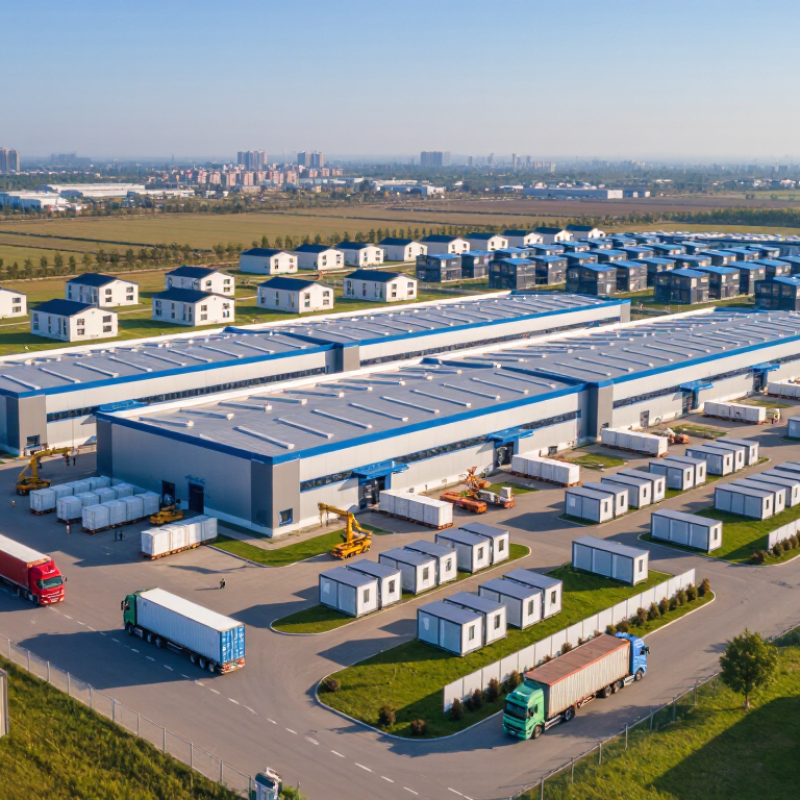
China’s leading prefabricated-home manufacturers build most components inside controlled factories. Design teams first convert architectural drawings into production models. Engineers then check structural loads, insulation, fire performance, and transport limits. Steel frames, wall panels, roof sections, windows, and utility modules follow separate production lines. Factory workers use cutting machines, welding stations, and measured assembly jigs. Small mistakes remain possible.
A typical unit leaves the factory with much of its wiring, plumbing, flooring, and interior lining installed. Trucks carry these sections to the site, where cranes position them on prepared foundations. Crews connect utilities, seal joints, test water pressure, and complete external finishes. This process reduces weather delays and improves repeatable quality. McKinsey Global Institute’s modular-construction research indicates that factory-based building can shorten schedules by 20–50% and reduce costs by up to 20%, although project conditions strongly affect the result.
China’s Ministry of Housing and Urban-Rural Development reported more than one billion square meters of prefabricated building floor area in its 2022 national statistics. That scale supports mature supply chains for steel, concrete, insulation, and bathroom modules. However, prefabricated homes are not automatically cheaper. Long-distance transport, crane access, foundation errors, and local approval requirements can erase factory savings. Quality teams should inspect welds, moisture barriers, fasteners, and module connections before delivery. The method is efficient, but not foolproof. Manufacturers still need experienced site engineers, transparent testing records, and careful coordination between factory and construction teams.
China Top 10 Pre Manufactured Homes Manufacturers? - What Are Pre-Manufactured Homes and How Are They Built in China?
The table below compares the ten major factory-built home systems commonly manufactured and assembled in China. It focuses on construction method, typical application, production characteristics, and site installation rather than displaying company or brand information.
| No. | Pre-Manufactured Home System | Primary Structural Material | Typical Building Type | Factory Production Method | Typical Factory Completion | Typical On-Site Installation | Main Advantages | Common Limitations |
|---|---|---|---|---|---|---|---|---|
| 1 | Light-Gauge Steel Modular Homes | Cold-formed galvanized steel frames with insulated wall panels | Single-family houses, worker accommodation, low-rise apartments | Computer-cut steel profiles are assembled into wall, floor, and roof modules | 60–85% | Usually 1–4 weeks after foundation completion | High dimensional accuracy, strong resistance to insects, fast dry construction | Requires effective thermal-bridge control and corrosion protection |
| 2 | Volumetric Modular Homes | Steel or reinforced-concrete volumetric modules | Hotels, apartments, dormitories, offices, and residential villas | Three-dimensional room modules are manufactured, fitted, and finished indoors | 70–95% | Usually 1–3 weeks for lifting, connection, and utility work | Very short site schedule and consistent factory quality | Transport dimensions, lifting access, and module weight limit design flexibility |
| 3 | Prefabricated Concrete Panel Homes | Factory-cast reinforced-concrete wall, floor, or roof panels | Residential buildings, schools, public housing, and low-rise commercial buildings | Concrete is cast in reusable molds and cured under controlled conditions | 45–75% | Usually 3–8 weeks, depending on panel size and building height | Durability, fire resistance, acoustic mass, and structural robustness | Heavy transport requirements and the need for precise panel joints |
| 4 | Container-Based Conversion Homes | Reused or newly produced corten-steel shipping containers | Site offices, retail units, temporary accommodation, and compact housing | Containers are cut, reinforced, insulated, fitted, and finished in a workshop | 70–90% | Usually several days to 3 weeks per unit | Standardized dimensions, easy relocation, and comparatively low site labor | Limited internal width, condensation risk, and possible structural reinforcement needs |
| 5 | Structural Insulated Panel Homes | Oriented strand board or cement board skins with an insulated foam core | Small houses, cabins, extensions, and energy-efficient low-rise buildings | Panels are CNC-cut, labeled, and prepared for rapid site assembly | 50–80% | Usually 1–4 weeks for panel erection and weatherproofing | Good thermal performance, light weight, and rapid enclosure | Moisture detailing, fire protection, and ventilation design are important |
| 6 | Prefabricated Timber Frame Homes | Engineered timber studs, beams, wood panels, and insulated assemblies | Villas, holiday cabins, rural homes, and ecological resorts | Wall and roof frames are cut, assembled, and sheathed in a controlled factory | 50–80% | Usually 2–6 weeks, depending on finishing level | Renewable material option, attractive appearance, and low structural weight | Needs careful moisture, termite, fire, and long-term maintenance control |
| 7 | Folding or Expandable Modular Homes | Steel frame with insulated sandwich panels and foldable sections | Emergency housing, construction camps, temporary offices, and accommodation units | Units are wired and fitted in the factory, then folded for compact transport | 70–90% | Often 1–7 days per unit after leveling and utility connection | Low shipping volume, rapid deployment, and repeatable installation | Limited structural span and careful sealing are required at folding joints |
| 8 | Flat-Pack Panelized Homes | Steel, aluminum, timber, or composite panel assemblies | Temporary housing, retail kiosks, offices, classrooms, and small residences | Components are prefabricated, bundled, and shipped flat for assembly on site | 40–75% | Usually 1–4 weeks, depending on labor and building size | Efficient packing, flexible layouts, and reduced transportation cost | More site assembly is required than with volumetric modules |
| 9 | Precast Concrete Bathroom and Kitchen Pods | Factory-cast concrete shell with integrated plumbing and finishes | Hotels, apartments, student housing, hospitals, and senior-care buildings | Complete wet-room pods are cast, waterproofed, fitted, and tested indoors | 80–95% | Usually installed during the main structural frame sequence | Consistent waterproofing, reduced wet trades, and predictable quality | Requires coordinated dimensions, lifting plans, and service connections |
| 10 | Hybrid Prefabricated Homes | Combination of steel or concrete structure with panelized or modular elements | Custom villas, multi-unit housing, offices, resorts, and mixed-use projects | Different components are manufactured separately and integrated through BIM-based coordination | 45–85% | Usually 2–8 weeks, depending on project complexity | Balances design flexibility, speed, strength, and factory quality | More coordination is needed between structural, architectural, and utility systems |
Related Posts
-
Top 10 Movable Homes for Sale Worldwide
-
Top 10 Modular Home Builders in China for Global Buyers?
-
How to Buy Affordable Modular Homes in 2026?
-
Top 10 Pre Manufactured Homes You Should Consider Today?
-
Why Choose Modern Modular Homes for Sustainable Living and Affordability
-
What Are the Top China Prefab Homes for Global Buyers?