Top 10 Movable Homes for Sale Worldwide
The global market for movable homes is expanding beyond compact cabins and trailer-style units. Buyers can now find foldable houses, modular studios, transportable cottages, and architect-designed residences. These homes may travel by road, ship, or specialized lifting equipment. Their mobility offers flexibility, but it also creates practical questions.
This guide explores ten movable homes for sale worldwide, using visible design features, construction details, and common buyer considerations. Each example deserves more than attractive photographs. Look for insulation ratings, structural materials, transport dimensions, warranty terms, and realistic delivery costs. A bright living room means little if the roof cannot handle heavy rain. A low purchase price may change after cranes, foundations, utility connections, and local approvals are added.
The selection aims to balance design, function, durability, and value. It is not a perfect ranking. Personal needs matter too much. A mountain buyer may prioritize snow resistance, while a coastal owner may focus on corrosion protection. Some listings provide incomplete information, which should make buyers cautious rather than optimistic. Independent inspections and written manufacturer documents remain essential.
Expect details such as timber walls, steel frames, panoramic windows, compact kitchens, and fold-out bedrooms. Picture muddy access roads, narrow gates, and a delivery truck waiting outside. These details are less glamorous, but they shape ownership. The best movable homes are not merely easy to relocate. They should also feel safe, comfortable, repairable, and suitable for their intended climate. Examine every claim carefully. Oversights happen.
What Defines a Movable Home and How It Differs From Traditional Housing
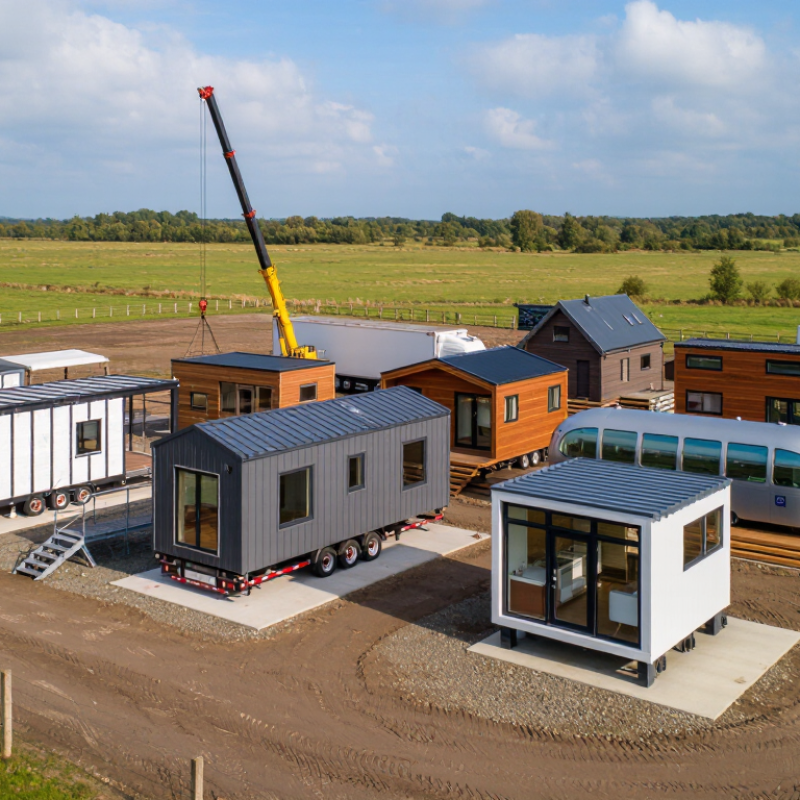
A movable home is designed to be transported, repositioned, or assembled at another site. It may use a trailer base, modular sections, or lifting points. Some models arrive nearly complete, while others need on-site assembly. The key feature is planned mobility, not simply a small floor area. A compact cabin can still be permanent housing if it rests on a fixed foundation. This distinction matters when comparing the top 10 movable homes for sale worldwide.
Traditional housing usually depends on a permanent foundation, fixed utility connections, and long-term site ownership. Movable homes often require transport planning, road access, lifting equipment, and flexible service connections. Their lighter structure may reduce construction time, but it can also limit storage, insulation, or room size. A reliable buyer should inspect the frame, moisture barriers, insulation rating, and transport history. Local planning rules and safety standards must also be checked before purchase. Regulations vary widely.
The strongest designs balance mobility with daily comfort. Look for secure windows, efficient heating, accessible plumbing, and durable exterior panels. Ask how the home performs in heavy rain, strong wind, or freezing weather. A low price may hide delivery, foundation, or reconnection costs. Movable does not mean effortless. That assumption deserves careful reconsideration. Real value depends on the home, the route, the land, and the people who install it.
Top 10 Movable Homes for Sale Worldwide - What Defines a Movable Home and How It Differs From Traditional Housing
| Rank | Movable Home Type | Common Market Regions | Typical Internal Area | Typical Sale Price | How It Moves | Usual Occupancy | Key Difference From Traditional Housing |
|---|---|---|---|---|---|---|---|
| 1 | Tiny House on a Trailer | North America, Europe, Australia | 15–40 m² | US$40,000–150,000 | Towed on a road-legal trailer | 1–4 people | Built for relocation and usually does not require a permanent foundation. |
| 2 | Park Model Home | United States, Canada, New Zealand | 30–45 m² | US$60,000–180,000 | Transported on a chassis; occasional relocation | 2–6 people | Designed for long-term placement in a regulated park rather than a private permanent lot. |
| 3 | Manufactured Mobile Home | North America, Australia, parts of Europe | 55–160 m² | US$80,000–250,000 | Moved by specialist hauling equipment | 2–8 people | Factory-built in sections or on a chassis, with installation rules separate from conventional site-built homes. |
| 4 | Modular Relocatable Cabin | Europe, Japan, Scandinavia, Australia | 20–90 m² | US$50,000–220,000 | Lifted by crane and carried by flatbed truck | 1–6 people | Can be installed without a conventional basement and disconnected for future relocation. |
| 5 | Converted Shipping-Container Home | Worldwide, especially urban and coastal markets | 14–85 m² | US$25,000–180,000 | Moved by truck, crane, or container-handling equipment | 1–6 people | Uses standardized steel modules that can be transported separately and assembled on site. |
| 6 | Prefab Pod or Foldable Home | Europe, China, Southeast Asia, Middle East | 18–60 m² | US$20,000–140,000 | Flatbed delivery, folding, or crane placement | 1–4 people | Compact sections are manufactured off site and rapidly deployed with limited ground preparation. |
| 7 | Houseboat | Netherlands, United Kingdom, United States, Canada | 25–150 m² | US$80,000–750,000 | Self-propelled or towed on waterways | 1–8 people | Floats instead of resting on land, so mooring permits and waterway regulations are central considerations. |
| 8 | Motorhome or Recreational Vehicle | Worldwide | 8–45 m² | US$35,000–500,000 | Driven on public roads | 1–6 people | Combines a vehicle and living quarters, but road registration, driving regulations, and campsite access apply. |
| 9 | Transportable Yurt or Circular Cabin | Central Asia, Europe, North America, Australia | 20–70 m² | US$15,000–100,000 | Disassembled, packed, and transported by truck | 1–6 people | Lightweight components can be dismantled and rebuilt, unlike most fixed-frame houses. |
| 10 | Portable Emergency or Disaster-Relief Home | Worldwide, including remote and disaster-affected areas | 10–50 m² | US$10,000–90,000 | Flat-packed, trucked, or airlifted in smaller modules | 1–8 people | Prioritizes rapid deployment, basic services, and relocation rather than permanent architectural integration. |
Data note: Prices and dimensions are typical worldwide market ranges for new or refurbished movable homes and vary according to location, transport, utilities, interior specification, permits, and site preparation. A movable home is generally designed to be transported, dismantled, or relocated, whereas traditional housing is normally built as a permanent structure on a fixed foundation.
Key Features to Compare in the World’s Top Movable Homes
Comparing the world’s top movable homes requires more than admiring attractive interiors. Start with the frame, wheel system, and total weight. These details affect transport, placement, and long-term stability. Check insulation ratings, window quality, and ventilation, especially for homes facing freezing winters or humid coastlines. A compact home may look efficient, yet limited storage can become frustrating after a few months.
Utility connections also deserve close attention. Ask whether the home supports standard electricity, water, drainage, and heating systems. Inspect service access, not just the finished walls. Moisture control is critical; small leaks can damage flooring, cabinets, and insulation. Review construction records, warranty terms, and independent inspection options. Local placement rules may differ widely, so confirm requirements with qualified authorities before paying a deposit. A beautiful design is not enough.
Tips: Compare delivered weight, not only empty weight. Measure doorways and turning space at the destination. Test taps, windows, ventilation, and heating during a viewing. Request clear transport and installation costs. Do not rely on glossy photographs. I would also question vague energy claims and missing maintenance details. Some comparisons remain imperfect because climate, land access, and daily habits vary. That uncertainty should be recorded, not ignored.
Top 10 Movable Homes for Sale Across Different Regions
Top 10 Movable Homes for Sale Worldwide
Top 10 Movable Homes for Sale Across Different Regions
Movable homes now reflect local climate, transport, and land conditions. My regional ranking is practical, not absolute. A compact cabin suits Scandinavia, while a reinforced modular home fits coastal Australia. The ten strongest choices include Scandinavian timber cabins, British park homes, North American tiny houses, Canadian cold-climate modules, Japanese compact homes, Australian cyclone-ready units, New Zealand relocatable homes, European energy-efficient pods, Middle Eastern insulated modules, and South American container-style residences.
According to Grand View Research, the global modular construction market was valued at about 91.7 billion dollars in 2023. Its report projects continued growth through 2030. The trend is visible in factory-built walls, shorter installation periods, and reduced site waste. Still, delivery costs can change the final price sharply. A home that looks affordable online may need specialist transport, lifting equipment, foundation work, and regional approvals.
Energy performance deserves equal attention. The 2023 Global Status Report for Buildings and Construction states that buildings and construction produced about 37% of global energy-related emissions in 2022. Buyers should inspect insulation thickness, window ratings, ventilation, and heating demand. In humid regions, moisture control matters more than attractive finishes. In cold areas, thermal bridges can become expensive weaknesses. I would also request storm, snow, fire, and seismic documentation before paying a deposit. Listings rarely show every limitation. That is the uncomfortable part.
Costs, Transport Rules, and Ownership Requirements by Location
Top 10 Movable Homes for Sale Worldwide
Costs, Transport Rules, and Ownership Requirements by Location
A movable home can cost less than a fixed house, but land can change the calculation. The U.S. Census Bureau’s 2023 Manufactured Housing Survey reported an average new-home price near $129,900. Land and site work were excluded. Transport, crane hire, foundations, permits, utilities, insurance, and taxes may add tens of thousands. Advertised prices can mislead buyers. A cheaper unit may require expensive road preparation.
In the United States, local zoning and installation rules usually control placement. Federal standards cover manufactured-home construction. Canada adds provincial approvals, energy codes, and municipal zoning. Across the European Union, Directive 96/53/EC generally sets vehicle width at 2.55 metres. Oversize moves may need route surveys, permits, warning vehicles, and police coordination. Australia’s National Heavy Vehicle Regulator applies mass and dimension rules, while states can add conditions. The United Kingdom may require special-load notifications and detailed route planning. Rules change by road.
Ownership is not simply purchase. Buyers should verify land tenure, planning consent, anchoring, fire access, wastewater, and utility capacity. Some jurisdictions treat the home as a vehicle. Others classify it as real estate after installation. That affects registration, finance, resale, and tax. Professional surveys reduce risk, but they cannot remove local uncertainty. I would reserve 15–25% for transport and site surprises. This is a planning allowance, not a universal statistic. Get written approvals before paying a deposit.
Top 10 Movable Homes for Sale Worldwide
Indicative purchase prices, transport considerations, and ownership requirements by location
- United States: Manufactured homes generally follow federal HUD construction standards; state transport permits, zoning approval, and a legal site or land interest are commonly required.
- Canada: Certification and installation requirements differ by province; oversize-load permits and approved foundations or serviced sites may be required.
- United Kingdom: Mobile homes are commonly placed on licensed sites; planning permission and site rules can apply when a unit is used as a permanent residence.
- France: Mobile homes are typically permitted on authorized camping or residential leisure sites, while permanent placement on private land may require planning approval.
- Germany: Road approval, transport permits, and local building permission may apply, particularly when the home remains permanently on one parcel.
- Netherlands: Municipal zoning and environmental plans determine whether a movable dwelling can be placed and occupied on a specific site.
- Australia: State and territory rules govern transport, siting, certification, and utility connections; caravan parks and residential land have different requirements.
- New Zealand: Transportable homes may need building consent, site approval, and compliance with local district-plan rules depending on how and where they are installed.
- Japan: A dwelling fixed to land can trigger building-confirmation and zoning requirements; road transport also depends on vehicle dimensions and route permissions.
- Spain: Regional and municipal planning rules determine whether a mobile home is treated as a vehicle, temporary installation, or building.
How to Choose the Right Movable Home for Your Lifestyle and Budget
Choosing a movable home begins with your daily routine, not its appearance. A compact unit may suit one person, but a family needs storage, privacy, and safe circulation. Picture your morning: where will wet coats hang, bicycles rest, and groceries cool? These details often matter more than glossy interior finishes.
Set a realistic budget before comparing homes. Include delivery, site preparation, utility connections, permits, insurance, and future relocation costs. A lower purchase price can become expensive after transport and foundation work. Ask for structural specifications, insulation ratings, material warranties, and maintenance records. Reliable sellers should provide clear documents, not vague promises. Check local planning rules and transport limits with qualified professionals before signing anything.
Match the home to your climate and mobility plans. In cold regions, inspect window performance, pipe protection, and heating efficiency. In hot areas, prioritize shading, ventilation, and roof insulation. If you expect to move within five years, choose durable connections and accessible service points. I once underestimated storage in a small living space; the room looked elegant but became crowded quickly. That mistake changed how I assess floor plans. Walk through a full-size model if possible, and measure your furniture carefully. Some “flexible” layouts feel less flexible after a sofa blocks the only clear pathway.
Related Posts
-
Why Pre Manufactured Homes Are the Best Choice for Affordable Housing Solutions
-
Top 10 Pre Manufactured Homes You Should Consider Today?
-
What Are the Top Types of Prebuilt Homes?
-
What Are the Top China Prefab Homes for Global Buyers?
-

How to Choose Modern Modular Homes for Global Buyers?
-
How to Choose the Best Prefab Houses for Global Buyers?