How to Buy Panelized Homes Worldwide in 2026?
Buying panelized homes worldwide in 2026 requires more than comparing attractive floor plans. It demands careful research into engineering, shipping, local codes, land conditions, and installation capacity. Panelized homes are manufactured in controlled facilities, then transported as wall, roof, or floor sections. This process can reduce weather delays, material waste, and on-site labor. It cannot eliminate risk.
The Modular Building Institute reported that modular construction reached approximately $20.3 billion in the United States and Canada during 2023. Its 2024 annual report also estimated a 6.64% share of new commercial construction. Meanwhile, McKinsey’s “Modular Construction: From Projects to Products” identified substantial productivity potential through factory-based building. These reports support off-site construction, but they do not measure every panelized homes project separately. That distinction matters.
Dr. Ryan E. Smith, author of Prefab Architecture, explains, “Prefab is a process, not a product.” His point is practical. A beautifully engineered panel can still fail through poor transport planning or weak site preparation. Buyers should examine factory certifications, structural calculations, moisture protection, insulation values, warranty terms, and installer experience. Ask for completed projects in climates similar to yours.
Details matter. A truck may need a wide turning radius. A coastal site may require stronger corrosion protection. A remote location may face expensive crane access. The process is not effortless.
This guide examines suppliers, pricing, contracts, delivery routes, approvals, and installation questions for international buyers. Some assumptions may prove wrong. That is exactly why every quotation, drawing, and performance claim deserves independent verification.
Define Your Brief: Size, Climate, Codes, and a 2026 Budget
Buying a panelized home in 2026 starts with a precise brief, not a glossy floor plan. State the usable area, room count, ceiling height, storage needs, and future accessibility requirements. A 90-square-metre home can feel generous or cramped, depending on circulation and furniture. Draw the daily routine.
Climate changes the specification quickly. In a cold region, prioritize insulation continuity, airtight joints, triple glazing, and controlled ventilation. In hot, humid areas, require shading, cross-ventilation, moisture-resistant materials, and cooling-load calculations. Coastal sites may need stronger corrosion protection. Snow, wind, wildfire, flood, and seismic risks also affect the structural design. Ask a local qualified professional to verify the applicable building, fire, energy, and accessibility codes. Imported drawings rarely fit every jurisdiction.
Set a 2026 budget in separate lines: factory panels, interior finishes, foundations, utilities, transport, crane lifting, permits, professional services, taxes, and site preparation. Keep a contingency of 15 to 20 percent. Currency changes can distort an overseas quotation. My early budgets often looked accurate until ground conditions added drainage and retaining work. That mistake is worth planning for. Request an itemized offer, clear tolerances, delivery duties, warranty terms, inspection points, and payment milestones. A low factory price may exclude bathrooms, kitchens, connection fees, or local engineering. Confirm those gaps before comparing suppliers.
How to Buy Panelized Homes Worldwide in 2026?
Define Your Brief: Size, Climate, Codes, and a 2026 Budget
The chart uses a transparent planning model based on a constant allowance of USD 1,800 per m². It covers the panelized home package and standard interior completion, but excludes land, taxes, permits, utility connections, foundation upgrades, shipping, and local professional fees. Final pricing must be adjusted for climate performance, wind or seismic requirements, and the building codes of the destination country.
Compare Suppliers: Panelization Can Cut On-Site Time by 30–50%
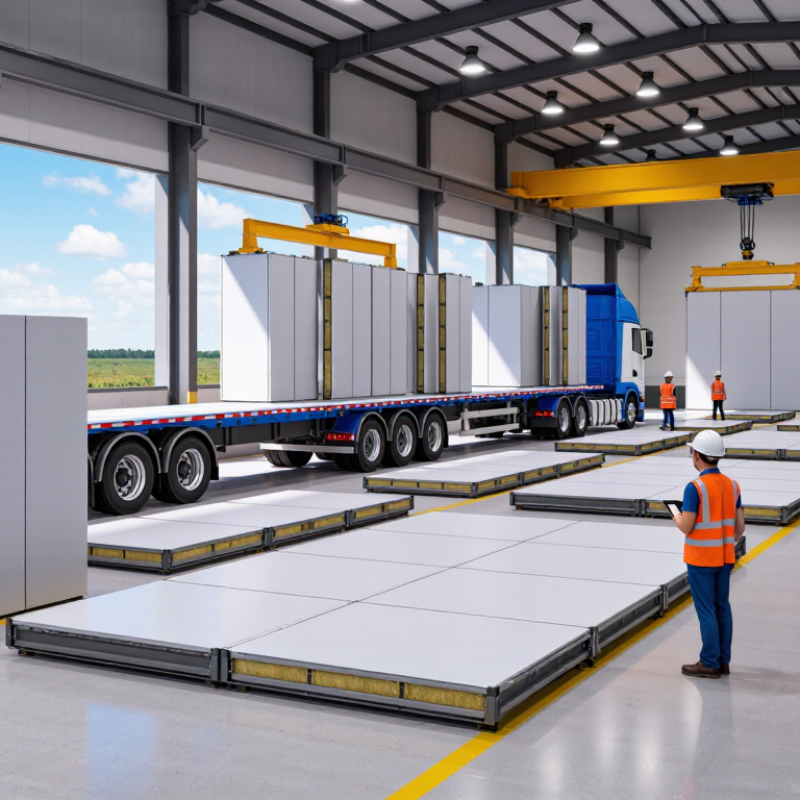
Buying a panelized home worldwide in 2026 starts with supplier comparison, not a glossy catalog. Panelization moves wall, roof, or floor assembly into a controlled factory. Crews may receive numbered sections, pre-cut openings, insulation, and service channels. On-site schedules can shrink by 30–50% when foundations, transport, and lifting are ready. That range is realistic, but never automatic.
Ask each supplier for production tolerances, moisture protection, fire ratings, structural calculations, and recent project references. Request a complete landed-cost estimate covering engineering, packaging, freight, cranes, local labor, taxes, and warranty support. A low factory price can become expensive after port delays or missing fasteners.
Check whether drawings match local soil, wind, snow, seismic, and energy conditions. Independent review by a qualified local professional adds practical assurance.
Compare delivery records, replacement procedures, communication times, and installation training.
A useful test is a timed mock assembly of one wall panel. Watch how workers align joints around a window opening. Projects can fall behind because one foundation measurement is wrong. That weakness deserves attention.
Panelization saves labor, but it concentrates risk in design and logistics. Keep contingency time for weather, inspections, customs clearance, and transport. A supplier’s confident promise is not the same as verified performance.
Verify Compliance: IRC, Eurocodes, CE Marking, and Local Load Standards
How to Buy Panelized Homes Worldwide in 2026?
Compliance must be checked before comparing prices or factory lead times. In the United States, the IRC provides a residential framework, but local authorities may adopt different editions and amendments. Confirm the target jurisdiction, permit route, and inspection responsibilities. A factory drawing is not automatically an approved building design.
For European projects, request structural calculations under the relevant Eurocodes, including the National Annex. Check wind, snow, seismic, fire, thermal, and foundation assumptions. CE marking confirms conformity with applicable European requirements; it does not guarantee complete suitability for every site. The Declaration of Performance and technical files should match the actual panels supplied. Small document gaps can create expensive delays.
Local loads deserve precise attention. A coastal site may need stronger wind resistance, while a mountain plot requires higher snow loads. Soil reports also affect anchoring and foundation design. According to the 2023 Global Status Report for Buildings and Construction, buildings consume about 34% of global energy and produce roughly 37% of energy- and process-related emissions. This makes thermal performance important, but insulation figures alone can mislead. Ask for tested U-values, junction details, moisture control, and ventilation evidence. The European Commission’s 2024 Construction Ecosystem Transition Pathway also highlights fragmented rules and skills shortages across construction markets. That warning matters. I would still hire an independent local engineer, even when the supplier’s package looks complete.
Check Performance: Target Passive House Energy Use Below 15 kWh/m²·yr
How to Buy Panelized Homes Worldwide in 2026?
Check Performance: Target Passive House Energy Use Below 15 kWh/m²·yr
When buying a panelized home internationally, request measured performance, not attractive factory drawings. The Passive House Institute sets a space-heating target below 15 kWh/m²·yr. This figure concerns heating demand, not total household energy use. It also expects airtightness near 0.6 air changes per hour at 50 Pa. These numbers require independent testing.
The International Energy Agency reported that buildings used about 30% of global final energy in 2022. Poor detailing can increase heating costs, even inside efficient panels. Check the wall build-up, insulation continuity, window specifications, and thermal-bridge calculations. Ask for a blower-door report and ventilation commissioning records. In cold climates, a heat-recovery ventilator should show its tested efficiency. In hot regions, solar control and cooling loads matter more than insulation alone. I would not trust a claimed “passive” rating without climate-specific modelling. That is an easy mistake.
Tips: Compare the declared U-values with local climate requirements. Confirm whether the 15 kWh figure is calculated or measured. Inspect factory quality records, moisture protection, and transport packaging. Ask who repairs failed seals after installation. A cheap panel can become expensive after customs, lifting equipment, and site corrections. Energy models are useful, but occupants may use more electricity than predicted. Keep that uncertainty visible.
Calculate Landed Cost: Freight, Duties, VAT, Crane Hire, and Site Works
How to Buy Panelized Homes Worldwide in 2026?
A panelized home can look affordable until every landed cost is calculated. Request a detailed pro forma invoice before placing a deposit. It should list panel dimensions, packing method, gross weight, and shipment volume. Freight pricing depends on route, season, port congestion, and equipment requirements. Oversized panels may need special handling instead of standard container space. Confirm whether insurance, port fees, unloading, and inland delivery are included. A low factory price can become expensive after arrival.
Check import duties and VAT with a licensed customs adviser in the destination country. Rates may depend on product classification, origin documents, and whether fittings ship separately. Ask for written guidance, not assumptions from a sales quotation. Crane hire also needs careful budgeting. Local prices can include transport, setup, operator hours, minimum booking periods, and road access permits. Site works may include foundations, drainage, soil testing, electrical connections, water lines, and temporary storage. A local engineer should verify these requirements before construction begins.
Tips: Build a landed-cost worksheet with separate high, expected, and low estimates. My early budgets often underestimated crane waiting time and foundation changes. Keep a contingency reserve of 10–20 percent, then review it after receiving local quotations. Confirm currency exchange rates and payment fees too. Small omissions can become serious costs.
Related Posts
-
How to Choose the Best Prefab Houses for Global Buyers?
-
How to Choose Prefab Units for Home Construction: A Complete Guide
-
How to Choose the Best Movable Homes for Your Lifestyle?
-
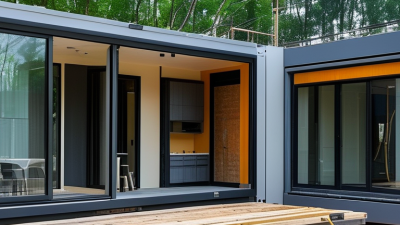
What Are the Top Types of Prebuilt Homes?
-
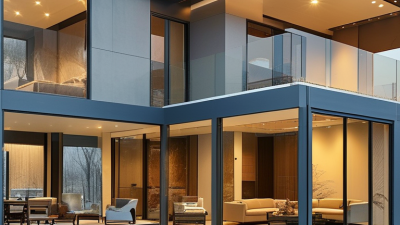
What Are the Top China Prefab Homes for Global Buyers?
-
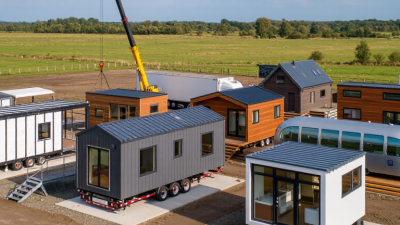
Top 10 Movable Homes for Sale Worldwide