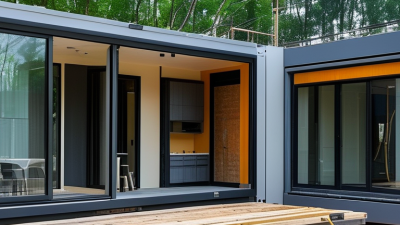
China Best Affordable Prefab Homes for Global Buyers?

China’s affordable prefab homes are attracting global buyers seeking faster delivery, controlled costs, and practical housing solutions. McKinsey’s report, “Modular Construction: From Projects to Products,” estimates that modular methods can reduce construction schedules by 20% to 50%. It also identifies potential cost reductions of up to 20%, although results vary by design, location, and project scale.

The opportunity is real.

China’s factories can provide steel frames, insulated panels, bathroom pods, and finished interiors with consistent production controls. However, a low factory price does not represent the complete investment. Buyers must examine shipping, customs, foundations, local permits, utility connections, installation, and after-sales service. A home that looks affordable in a catalogue may cost much more after reaching a remote site.

Mark Farmer, a construction strategist and author of Modernise or Die, offers a direct warning: “Modernise or Die.” His statement reflects a wider industry concern about slow methods, limited productivity, and weak digital adoption. For international buyers, it also suggests careful evaluation rather than blind enthusiasm.

This guide examines China’s best affordable prefab homes for global buyers. It compares layouts, materials, energy performance, factory experience, certifications, and delivery support. It also considers climate differences, from tropical humidity to cold northern winters. Some advertised figures deserve skepticism. That is important.

Affordable prefab homes can deliver strong value, but only when design, compliance, logistics, and workmanship align. McKinsey’s findings describe potential, not a guaranteed outcome. Real projects still depend on transparent contracts, independent inspections, and realistic budgets.
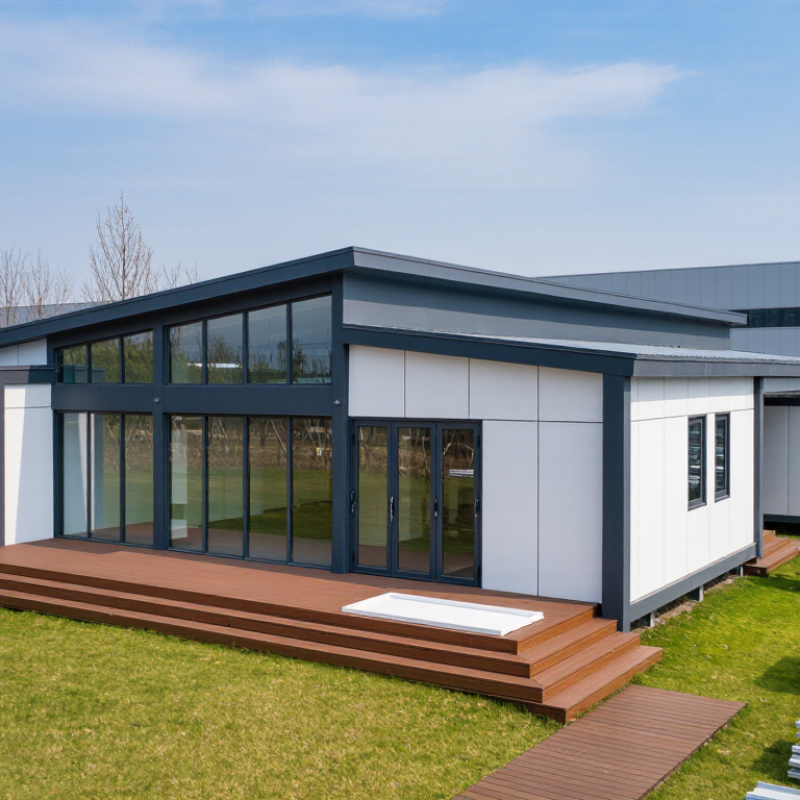
China Best Affordable Prefab Homes for Global Buyers?

Prefab Home Types and Standards: Modular, Panelized, and Volumetric Systems

China Best Affordable Prefab Homes for Global Buyers?

Prefab homes are not one single product. Modular, panelized, and volumetric systems solve different building challenges. Modular homes use factory-made sections, then connect them on site. Panelized homes ship walls, floors, or roof panels for local assembly. Volumetric systems arrive as completed three-dimensional rooms, including wiring and interior finishes.

Affordability depends on more than the factory price. Buyers should compare transport, foundation work, cranes, permits, taxes, and local installation. Each system must match the destination’s building codes, climate, and utility rules. Check wind resistance, snow loads, fire performance, insulation values, electrical systems, and plumbing connections. A certificate alone is not enough. Drawings should be reviewed by qualified local professionals. Small gaps in documentation can create expensive delays. A factory-perfect module may still fail if the site survey is incomplete. That is an uncomfortable, but practical, lesson.

Tips: Request a complete specification package before ordering. Ask for material test reports, quality inspection records, installation manuals, and maintenance details. Confirm tolerances for doors, windows, and service connections. Panelized homes may offer more design flexibility, while volumetric homes can shorten site work. Modular systems often balance repeatability and customization. None is automatically best. The right choice depends on shipment distance, local labor, weather, and the buyer’s willingness to manage finishing work. Leave room for mistakes. Real projects rarely follow the brochure exactly.

China’s Cost Advantage: UN Comtrade HS 9406 Data and ILO Wage Benchmarks

China Best Affordable Prefab Homes for Global Buyers?

China’s cost advantage needs more than a low factory quotation. UN Comtrade classifies prefabricated buildings under HS 9406. Its trade records show export values, quantities, and destination markets, helping buyers compare China with other manufacturing centers. However, customs values are not final housing prices. They may exclude design work, inland transport, installation, duties, and local certification.

The labor picture also requires care. ILOSTAT wage benchmarks provide useful evidence about earnings and labor trends across countries. China’s manufacturing wages can remain competitive, especially where factories use standardized steel frames, insulated panels, and repeatable bathroom modules. Yet wage levels alone do not prove lower total cost. Productivity, overtime rules, skills, social contributions, and material waste also matter. This comparison is imperfect.

A serious buyer should request a dated bill of materials, production photos, inspection records, and a complete delivery estimate. For a 60-square-metre unit, the quotation should separate structure, windows, electrical systems, packing, freight, and site assembly. HS 9406 data can reveal market scale, but it cannot confirm thermal performance or weather resistance. ILO figures can frame labor costs, but they cannot replace factory-level due diligence. Cheap on paper can become expensive at the building site. That risk deserves attention.

Shortlisting Chinese Suppliers Using Capacity, Certifications, and Export Records

Affordable prefab homes are not chosen by price alone. Global buyers should shortlist Chinese suppliers through capacity, certifications, and export evidence. A low quotation can hide weak quality control, delayed shipping, or incomplete documentation.

Factory capacity deserves physical verification. Ask for monthly output, active production lines, workforce size, and recent delivery schedules. Compare these figures with customs records and shipment documents. The UN Comtrade database can help verify a supplier’s product categories and export destinations. Export history does not guarantee quality, but it shows operational experience. McKinsey reports that modular construction may reduce project schedules by up to 50% and costs by up to 20%. Those results depend heavily on design standardization and factory discipline.

Certifications should match the destination market. Check current ISO 9001 quality records, material test reports, structural calculations, and electrical compliance documents. Requirements differ between countries. Do not accept a certificate image without checking its issuing body and validity. The UNEP Global Status Report states that buildings and construction produced 37% of global energy-related emissions in 2022. Therefore, insulation ratings, window performance, and energy-use data deserve attention.

Tips: Request a live factory video, three recent export references, and a sample contract. Inspect wall joints, sealants, wiring, and packaging. I would also ask what failed in their last project. Honest answers matter. A perfect sales presentation can still conceal practical gaps.

Global Compliance Checks: 2024 IBC, ISO 9001, Energy Codes, and Local Permits

China’s Affordable Prefab Homes for Global Buyers: Compliance Checks That Matter

A low purchase price means little if the home cannot pass local approval. The 2024 International Building Code provides a useful benchmark for structural safety, fire resistance, foundations, and egress. However, it is not automatically accepted everywhere. Each buyer should confirm requirements with the local building authority before ordering.

Check wind loads, snow loads, seismic design, and foundation drawings. A coastal site may also require stronger corrosion protection.

Small omissions become expensive delays.

ISO 9001 supports quality management, but it does not certify a finished home. The ISO Survey 2023 reported more than 1.26 million ISO 9001 certificates worldwide. That figure shows broad adoption, not guaranteed construction quality.

Request factory inspection records, material traceability, welding procedures, and corrective-action reports. A certificate without production evidence is weak evidence.

I have seen attractive specifications fail when window labels or fire-rated assemblies were missing.

Energy compliance deserves equal attention.

The United Nations Environment Programme reported that buildings used about 30% of global energy and produced 37% of energy-related emissions in 2022. Insulation thickness, air sealing, glazing, ventilation, and heating equipment must match the local energy code.

Ask for U-values, blower-door targets, and climate-zone calculations. Do not rely on generic claims. Local permits may also require translated drawings, utility approvals, drainage plans, and site-specific engineering.

A cheaper home is not always cheaper. That deserves honest review.

True Affordability: Landed Cost, Freight, Duties, Installation, and Warranty Risks

China’s Best Affordable Prefab Homes for Global Buyers?

True affordability depends on landed cost, not the factory quotation. The final budget should include the home, export packing, ocean freight, port charges, customs duties, local taxes, inland delivery, and installation. A low-priced unit can become expensive after these additions. Ask for a detailed pro forma invoice with every cost clearly separated. Check the destination country’s building codes, energy rules, foundation requirements, and permit process before paying a deposit.

Installation deserves careful attention. A flat-packed home may require cranes, certified electricians, plumbers, and local contractors. Site access can also change the price. A narrow road or wet ground may delay delivery. Warranty coverage needs equal scrutiny. Confirm who handles damaged panels, missing parts, structural defects, and labor costs. Get response times and claim procedures in writing. Verbal promises are weak protection.

Tips: Compare three landed-cost scenarios: normal freight, delayed freight, and damaged cargo. Request third-party inspections before shipment. Keep ten to fifteen percent for unexpected site expenses. One overlooked detail can erase the savings. My first estimate would probably be too optimistic without local installation quotes. That is the uncomfortable part. Affordability requires evidence, not attractive factory pricing.

China Best Affordable Prefab Homes for Global Buyers? - True Affordability: Landed Cost, Freight, Duties, Installation, and Warranty Risks

Buyer Scenario Typical Home Size & System Factory Price
(EXW China)
Export Packing, Port & Documentation Ocean Freight & Cargo Insurance Import Duty, VAT/GST & Customs Local Foundation, Utilities & Installation Estimated All-In Cost Indicative Lead Time Main Warranty & Compliance Risks
United States
Single-family accessory dwelling or small cabin
40–60 m²
Light-gauge steel or SIP panel kit
US$25,000–55,000 US$2,000–5,000
Usually 1–2 containers
US$4,000–10,000
Port and season dependent
Approximately 0–25% duty exposure depending on HS classification, origin rules and product composition; customs broker, port and local taxes extra US$25,000–65,000
Foundation, crane or unloading, trades, permits and utility connections
US$65,000–155,000
Before land and financing
4–8 months including design approval and site work State and county code approval may require stamped drawings, wind/snow calculations, energy compliance and local inspections. Factory warranty may exclude labor, corrosion, water ingress and third-party components.
United Kingdom
Garden office, holiday let or small dwelling
30–50 m²
Insulated modular or timber-frame panel system
US$22,000–50,000 US$2,000–5,000
Export documents and port handling
US$2,500–6,500
China-to-UK containerized shipment
Duty varies by HS code and trade rules; import VAT is generally 20% on the taxable import value, with broker, port and delivery charges additional US$22,000–55,000
Groundworks, assembly, plumbing, electrical, heating and certification
US$60,000–145,000
VAT treatment can materially change cash flow
4–7 months Building Regulations, planning permission, thermal performance, fire separation and structural calculations must be checked locally. A supplier’s “10-year warranty” may cover materials only and may not be enforceable locally.
Australia
Regional home, studio or farm accommodation
45–65 m²
Steel-frame modular or panelized home
US$30,000–65,000 US$2,500–6,000
Additional treatment and inspection may apply
US$5,000–12,000
Higher for remote or regional delivery
Many building products have duty rates commonly ranging from 0–5%, but classification-specific duties, customs charges and 10% GST may apply; biosecurity inspection fees can be extra US$30,000–75,000
Engineering, footings, transport, assembly and licensed trades
US$75,000–175,000
Remote sites can exceed this range
5–9 months NCC compliance, bushfire, cyclone, termite, energy and wind-region requirements can require redesign. Timber packaging and materials must meet biosecurity rules; non-compliant goods may be treated, re-exported or destroyed at the importer’s cost.
United Arab Emirates
Guest unit, site office or desert accommodation
40–70 m²
Steel modular unit with high-performance cooling envelope
US$25,000–60,000 US$2,000–5,000 US$2,000–6,000
Port-to-port freight, insurance and destination handling
Customs duty is commonly around 5% for many goods, while UAE VAT is generally 5%; exact treatment depends on classification, free-zone status and importer documentation US$18,000–50,000
Plinth, crane, MEP connections, insulation upgrades and commissioning
US$55,000–130,000
Excluding land and major external works
3–6 months Extreme heat, sand, humidity and UV exposure can shorten the life of seals, coatings and HVAC equipment. Confirm local municipality approval, fire ratings, cooling load calculations and spare-parts support before ordering.
Germany / European Union
Compact permanent residence or holiday home
50–80 m²
Panelized or volumetric modular construction
US$40,000–90,000 US$3,000–7,000
Technical file, packing and export handling
US$3,000–8,000
Destination terminal, inland haulage and insurance vary
Duty depends on the EU TARIC classification; import VAT is commonly 19% in Germany, with customs clearance and local handling charges additional US$40,000–95,000
Energy calculation, foundation, assembly, MEP, permits and inspections
US$105,000–235,000
Higher specification and approval costs are common
6–12 months Local approval may require Eurocodes, CE-related documentation, fire and acoustic evidence, energy performance calculations and German-language technical files. Imported electrical, plumbing and heating components may need replacement.
Canada
Seasonal cabin or small rural dwelling
40–65 m²
Insulated steel or SIP panel kit for cold climate
US$28,000–65,000 US$2,500–6,000
Additional winterization and packaging may be needed
US$5,000–13,000
Inland delivery can be substantial
Duty varies by tariff classification and origin; 5% GST may apply federally, with provincial sales taxes or HST depending on location US$30,000–75,000
Deep foundations, insulation, heating, snow-load engineering and local trades
US$75,000–175,000
Remote access and winter conditions can increase cost
5–10 months Snow, frost, seismic and energy requirements are jurisdiction-specific. Verify CSA-related acceptance, structural calculations, vapor control, heating capacity and the availability of local warranty service.
Cost interpretation and buyer checklist: The figures are indicative planning ranges in 2026 US dollars for basic-to-mid-range specifications, not supplier quotations. “All-in cost” excludes land, financing, landscaping, major retaining walls, unusual foundations, utility extensions, local professional fees and exchange-rate movements. Confirm the HS code and tax treatment with a licensed customs broker before payment. Request a complete bill of materials, structural calculations, fire and energy documentation, Incoterms, container loading plan, spare-parts list, installation scope, warranty exclusions, response times and a practical remedy for defective or missing parts. A factory warranty is not the same as a locally enforceable building warranty.