How to Buy a Modular House in 2026?
Buying a modular house in 2026 requires more than comparing glossy floor plans. It demands practical research, realistic budgeting, and careful attention to the land beneath the home. The factory may build your walls efficiently, but your site still controls access, drainage, utilities, and foundation costs.
Steve Glenn, founder of Plant Prefab, has described the concept clearly: “Prefab is not a style; it is a process.” That distinction matters. A modular house can look traditional, minimalist, or highly customized. Its real advantage comes from controlled construction, repeatable quality checks, and reduced exposure to outdoor delays. Still, factory production does not remove every risk.
Begin by confirming local zoning rules and utility requirements before signing a deposit agreement. Ask who handles permits, transportation, crane placement, site preparation, and final connections. Request a detailed specification sheet, construction timeline, warranty terms, and examples of completed projects. Visit a factory if possible. Look closely at material storage, inspection routines, and finishing quality.
Your budget should include more than the advertised home price. Delivery, foundation work, surveys, taxes, landscaping, and temporary accommodation can change the final figure quickly. Financing may also be less straightforward than expected. Lenders often assess the land, factory contract, and installation schedule together.
The process is not perfectly predictable. Weather, design changes, and local approvals can still cause delays. That is why a careful buyer leaves financial room for surprises. A trusted builder should explain uncomfortable details, not hide them. The best purchase is rarely the fastest one. It is the one supported by clear documents, experienced professionals, and decisions you can still defend years later.
What Is a Modular House and How Does It Differ?
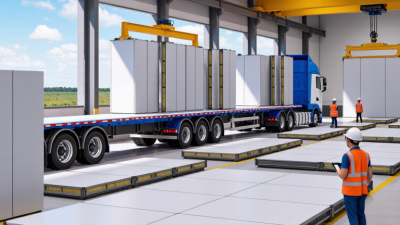
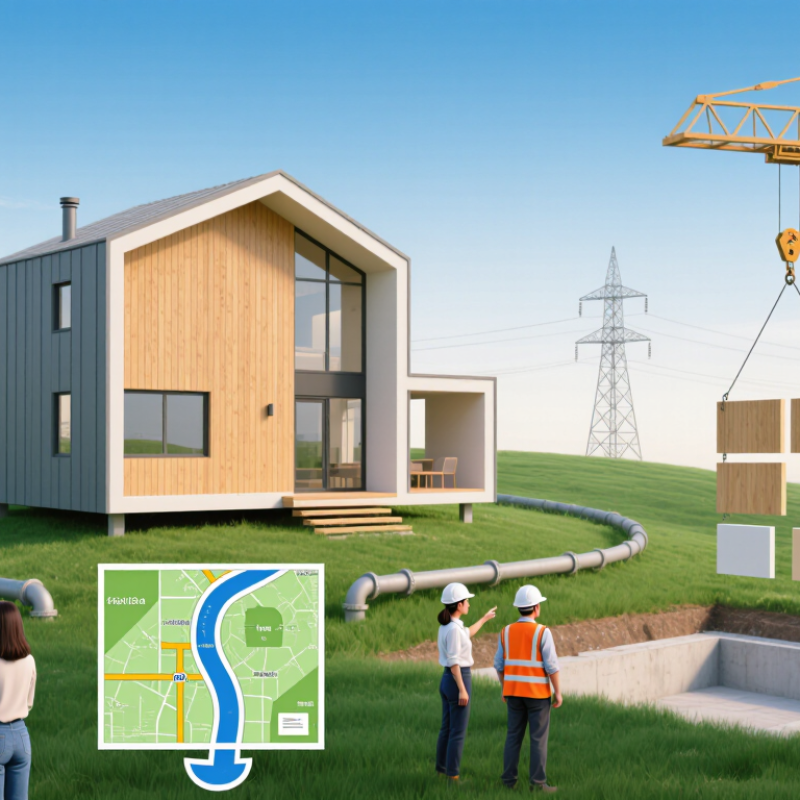
A modular house is built in sections inside a controlled factory, then transported to a prepared site. Workers install walls, floors, wiring, insulation, and plumbing before delivery. A crane places the sections onto a permanent foundation. The home is then connected, sealed, and finished on site.
This method differs from traditional site-built housing, where most construction happens outdoors. Factory production can reduce weather delays and improve material control. It may also limit waste because measurements are repeated in a planned workspace. However, modular does not mean temporary or poorly made. A permanent modular house must meet local building requirements, just like a conventional home. That detail matters.
The biggest difference is the building process, not necessarily the final appearance. A modular home can include custom layouts, large windows, and several exterior styles. Yet transport routes, road width, and crane access can restrict some designs. Site preparation remains essential. Soil testing, drainage, utility connections, and foundation work can add unexpected costs. A buyer should request clear specifications for insulation, structural connections, finishes, and installation responsibilities. Factory quality is useful, but it is not magic. Small errors can still occur during transport or final assembly. Personally, I would inspect both the factory plan and the completed site work, rather than trusting one attractive price. Financing and insurance may also require extra paperwork, because lenders sometimes classify modular construction differently from ordinary building projects. Expect questions. This process rewards careful checking.
Compare Builders, Designs, Materials, and Warranty Terms
Buying a modular house in 2026 requires more than comparing floor plans. Compare builders through verified projects, factory quality procedures, completion records, and financial stability. Ask who handles transport, crane setting, foundation work, utility connections, and local permits. These costs can sit outside the advertised price. The NAHB’s 2024 Cost of Constructing a Home study reported an average construction cost of about $428,000, excluding the land in its national sample. Use that figure carefully. Regional labor and site conditions can change the result sharply.
Designs should match daily routines, not only attractive computer images. Check ceiling heights, storage depth, window placement, accessibility, and future repair access. Materials need a practical comparison. Review insulation values, roofing life, exterior cladding, moisture protection, plumbing routes, and replacement costs. A cheaper finish may become expensive after several winters. According to a McKinsey analysis, modular construction can shorten schedules by 20–50 percent, but those gains depend on planning and site readiness. The promise is not automatic.
Warranty language deserves slow reading. Require separate terms for structure, water intrusion, mechanical systems, appliances, finishes, and labor. Confirm whether coverage begins at delivery, installation, or occupancy. Ask about response times, exclusions, transferability, and dispute procedures. Keep every drawing and change order. An independent inspection before delivery and after installation can expose alignment, seal, or damage problems. My weak assumption would be trusting a long warranty without checking the contractor’s service capacity. A warranty is only useful when someone can honor it.
Arrange Financing, Permits, Utilities, and Site Preparation
How to Buy a Modular House in 2026?
Arrange Financing, Permits, Utilities, and Site Preparation
Financing should begin before you choose a floor plan. Ask lenders whether they offer construction-to-permanent loans for modular homes. These loans may release money in stages as work progresses. Confirm the required down payment, interest terms, inspections, and final mortgage conversion. Keep extra funds available for delivery, foundation changes, and unexpected soil work. Budgets often look cleaner on paper.
Permits can determine your entire schedule. Contact the local building department before signing a purchase agreement. Confirm zoning, setbacks, energy standards, foundation requirements, and transport restrictions. A licensed surveyor can verify boundaries and elevation. An engineer may need to approve the foundation design. Requirements vary by location, so general online advice is not enough. Put every approval deadline in writing.
Utilities and site preparation deserve equal attention. Request utility locations before excavation begins. Obtain written estimates for water, power, sewer, gas, or a private well and septic system. Test the soil where the foundation will sit. Remove unsuitable material, improve drainage, and prepare a stable access road. The delivery route must support heavy equipment and allow safe crane operation. I would not treat this as a minor detail. A narrow gate or muddy driveway can delay installation for weeks. Leave room for mistakes, because real sites rarely match the original plan.
How to Buy a Modular House in 2026?
Typical planning time for financing, permits, utilities, and site preparation.
These are practical planning ranges in weeks. Actual timelines vary by lender requirements, local permitting rules, utility access, weather, and site conditions.