China Top 10 Prefab Units Suppliers for Global Buyers?
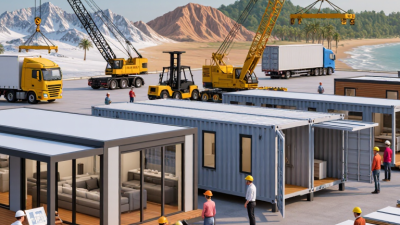
China has become a major sourcing base for prefab units, serving housing, offices, clinics, classrooms, and remote-site accommodation. Yet a factory’s attractive brochure proves very little. Global buyers need evidence behind every promise.
This guide examines ten Chinese prefab units suppliers through practical purchasing criteria. These include factory capacity, engineering support, material traceability, production quality, customization, delivery records, and after-sales communication. It also considers export experience, documentation, inspection procedures, and compliance with the buyer’s local building requirements. A low quotation may look efficient, but unclear insulation data or incomplete drawings can create expensive delays.
“Modular construction is a process, not a product,” says Roger Krulak, a recognized modular construction specialist and founder of FullStack Modular. His point remains important. The supplier is not merely selling a box. It is delivering a coordinated system of structure, finishes, services, packing, transport, and site assembly.
No ranking is perfect. Some suppliers have limited public information, while others display projects without enough technical detail. That gap deserves careful thought. Buyers should request current certifications, recent project references, material specifications, and independent inspection results before signing contracts. Factory visits can reveal practical details that websites omit, such as storage conditions, welding consistency, panel protection, and worker organization.
The following overview is designed for informed comparison, not blind endorsement. It highlights suppliers that appear suitable for different project scales and regional needs. Final decisions should still depend on verified documents, transparent communication, and a clear contract.
What Are Prefab Units and Why Do Global Buyers Choose Them?
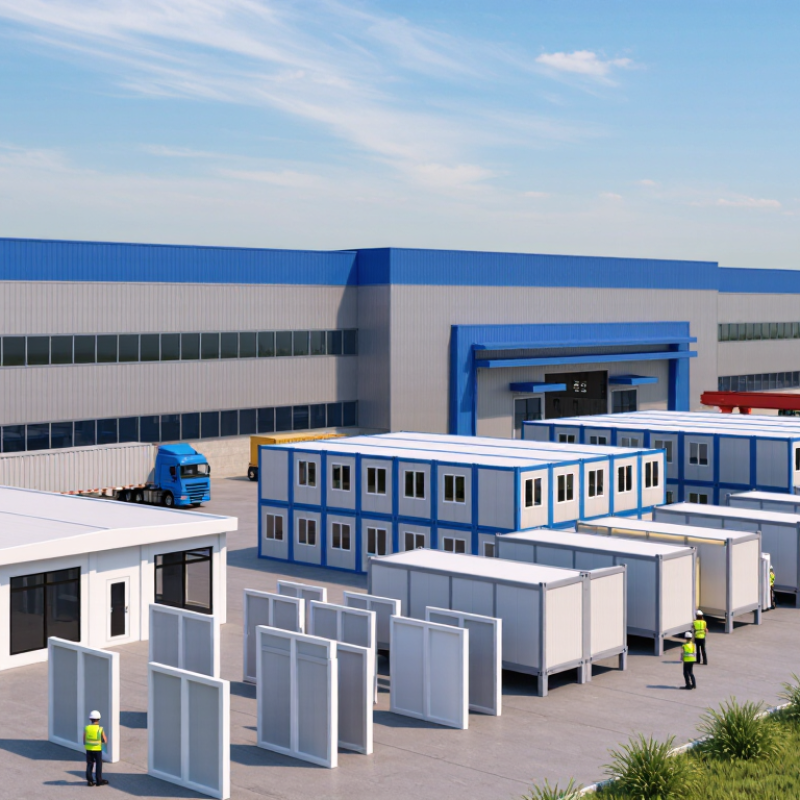
Prefab units are building components produced in controlled factories, then shipped for rapid site assembly. They may include complete rooms, wall panels, kitchens, or utility modules. Factory work improves measurement, repeatability, and weather protection. Less time is lost to rain, mud, and crowded sites.
Global buyers often choose prefab units for speed, predictable costs, and limited local labor. A 2019 McKinsey Global Institute analysis found that modular construction could reduce project timelines by up to 50% and costs by up to 20%. These figures are not guaranteed. Design complexity, transport distance, and local permits can change the result. UN-Habitat reports that about 1.6 billion people live in inadequate housing, increasing pressure for scalable construction methods.
The practical details matter. A finished module may travel thousands of kilometers before reaching a remote project. Buyers must check lifting points, road widths, crane capacity, insulation, and electrical standards.
One wrong measurement can delay an entire installation. Site teams also need clear drawings and trained installers. Prefab is efficient, but it is not effortless. A factory can produce a precise unit; it cannot remove every local construction risk.
How to Evaluate China’s Top 10 Prefab Unit Suppliers
China Top 10 Prefab Units Suppliers for Global Buyers
How to Evaluate China’s Top 10 Prefab Unit Suppliers
Evaluating China’s top ten prefab unit suppliers requires more than comparing online prices. Check factory capacity, production history, and experience with overseas projects. Request recent project photographs, technical drawings, and client references. A reliable supplier should explain steel grades, insulation density, fire performance, and expected service life clearly. Ask whether engineering support includes foundation details, electrical layouts, and installation guidance.
Visit the factory when possible. Review welding areas, material storage, quality checkpoints, and finished units. A video tour helps, but it cannot replace physical verification. Request a sample unit or independent inspection before placing a large order. Confirm production schedules, packaging methods, shipping responsibilities, and replacement procedures in writing. A polished presentation can still hide weak process control. This is where many buyers become too optimistic.
Tips: Compare complete landed costs, not factory prices alone. Include transport, customs, local assembly, equipment, and possible modifications. Check whether the supplier has delivered units to your climate zone. Coastal sites need stronger corrosion protection, while cold regions require careful thermal design. Read the warranty line by line. Vague promises create expensive disagreements later. Payment milestones should follow measurable production stages. Keep communication records, drawings, and approved changes together. Even experienced buyers sometimes overlook small details, such as door direction or local power requirements. That mistake is avoidable.
Key Product Types Offered by Leading Chinese Manufacturers
Chinese prefab manufacturers serve global buyers through several practical product categories. Modular homes provide kitchens, bathrooms, bedrooms, and finished interiors in factory-built sections. Container units suit temporary offices, worker accommodation, classrooms, and site clinics. Flat-pack cabins offer faster transport and simpler assembly. Steel-frame buildings support warehouses, workshops, showrooms, and larger housing projects. Sanitation units are also available, including shower blocks and portable restroom facilities.
Product quality depends on more than appearance. Experienced buyers check insulation thickness, fire-rated panels, roof drainage, window seals, and electrical compatibility. Coastal projects may need stronger corrosion protection. Cold regions require better thermal performance and tested heating systems. Factory drawings should show loading limits, connection details, and installation sequences. In my project reviews, unclear foundation information caused avoidable delays. A polished sample cannot replace technical documentation.
Tips: Request material specifications before comparing prices. Ask for wind, snow, seismic, and fire calculations for the destination country. Confirm whether plumbing and wiring follow local standards. Inspect one finished unit, if possible. Review packing lists carefully; small missing fittings can stop installation. Also clarify warranty coverage, spare parts, delivery terms, and remote support. A cheaper unit may become expensive after transport, modifications, and site repairs. I still find this overlooked.
China Top 10 Prefab Units Suppliers for Global Buyers — Key Product Types Offered by Leading Chinese Manufacturers
Comparative reference table of commonly available product categories, technical features, export suitability, and indicative delivery ranges.
| No. | Anonymous Supplier Profile | Primary Prefab Unit Type | Typical Applications | Typical Structural System | Common Unit Sizes | Insulation Options | Export-Ready Features | Indicative Lead Time |
|---|---|---|---|---|---|---|---|---|
| 01 | Profile A — Modular Building Specialist | Volumetric modular units | Worker accommodation, schools, clinics, offices, hotels | Factory-finished steel or light-gauge steel modules | Approximately 6–12 m long × 2.4–3.0 m wide | EPS, rock wool, glass wool, or polyurethane panels | Knock-down options, container loading plans, installation drawings | 30–60 days |
| 02 | Profile B — Flat-Pack Housing Manufacturer | Flat-pack container houses | Construction sites, temporary offices, dormitories, emergency housing | Bolted galvanized steel frame with insulated wall panels | Common modules based on 20-foot container dimensions | EPS, rock wool, or glass wool sandwich panels | Flat-packed shipping, rapid assembly, replaceable panels | 15–35 days |
| 03 | Profile C — Expandable Unit Producer | Expandable prefab houses | Remote accommodation, retail kiosks, site offices, disaster-response facilities | Foldable or telescopic steel frame with hinged wall sections | Collapsed for transport; expanded floor area commonly 18–40 m² | EPS, polyurethane, or rock wool cores | Compact transport volume, quick deployment, pre-installed utilities | 20–45 days |
| 04 | Profile D — Converted Container Unit Supplier | Modified shipping-container units | Cafés, security rooms, classrooms, accommodation, workshops | Reused or new container shell with steel reinforcements | Typical external lengths of 6 m or 12 m | Spray foam, rock wool, EPS, or composite panels | CSC-related transport considerations, cargo securing plans, customizable interiors | 25–60 days |
| 05 | Profile E — Light-Gauge Steel Housing Fabricator | Permanent prefab residential units | Detached homes, villas, student housing, low-rise developments | Cold-formed galvanized steel framing with external cladding | Custom floor plans; modules commonly 2.4–3.6 m wide | Rock wool, glass wool, EPS, or structural insulated panels | Shop drawings, structural calculations, panelized shipping options | 45–90 days |
| 06 | Profile F — Prefabricated Steel Building Supplier | Pre-engineered steel buildings | Warehouses, workshops, hangars, agricultural buildings, logistics facilities | Hot-rolled or welded steel frames with metal cladding | Wide-span structures; dimensions determined by engineering design | Rock wool, glass wool, EPS, or polyurethane sandwich panels | Structural calculations, CNC fabrication, bolt-together site installation | 30–75 days |
| 07 | Profile G — Bathroom Pod Manufacturer | Factory-built bathroom pods | Hotels, apartments, hospitals, student residences, modular buildings | Steel or concrete pod base with factory-installed wall and ceiling finishes | Commonly 2.0–3.0 m wide × 2.2–3.5 m long | Moisture-resistant boards, cement panels, and insulated service cavities | Pre-tested plumbing, electrical connections, lifting points, quality checklists | 45–90 days |
| 08 | Profile H — Prefab Cabin and Resort Unit Supplier | Prefabricated cabins and glamping units | Tourism resorts, campsites, parks, eco-lodges, recreational facilities | Steel frame, timber frame, or hybrid panelized construction | Usually 15–60 m² per unit, depending on configuration | Rock wool, glass wool, polyurethane, or wood-fiber insulation | Furniture packages, prefitted bathrooms, weatherproof exterior finishes | 40–90 days |
| 09 | Profile I — EPS Sandwich Panel Building Supplier | Panelized temporary structures | Site offices, dormitories, guard rooms, storage rooms, temporary classrooms | Light steel frame with insulated metal sandwich panels | Modular layouts based on panel widths and transport limits | EPS is common; rock wool and polyurethane may be specified | Low shipping volume, simple cutting and assembly, replacement panels available | 15–40 days |
| 10 | Profile J — Integrated Camp Accommodation Supplier | Turnkey camp accommodation units | Mining camps, energy projects, military support, infrastructure projects | Modular steel units combined with utility, kitchen, laundry, and sanitation modules | Single-room units to multi-unit camp blocks | Rock wool, glass wool, EPS, or polyurethane systems | Containerized logistics, utility coordination, installation manuals, spare-parts lists | 60–120 days |
Data note: This table uses anonymous supplier profiles rather than company or brand names. Dimensions, materials, applications, and lead times represent commonly offered configurations in the Chinese prefab-unit export market. Actual specifications depend on engineering design, destination-country building codes, customization level, order quantity, inspection requirements, and shipping conditions.
Quality, Certifications, Pricing, and Customization Comparison
Comparing China’s top 10 prefab unit suppliers requires more than checking factory photos. Quality begins with traceability. Ask for welding records, concrete strength reports, moisture tests, and batch numbers. ISO 9001 supports process control, while ISO 14001 indicates environmental management. However, certificates do not replace independent inspections. Verify whether units meet the destination country’s structural, fire, electrical, and thermal standards.
Pricing varies sharply by specification. Industry estimates place the global modular construction market near USD 92 billion in 2023, according to Grand View Research. Basic steel units may offer low entry prices, but insulation, windows, plumbing, transport, and installation can change the final cost.
Request a line-item quotation. Compare delivered cost, not factory price. Customization is usually practical for layouts, façades, bathrooms, and energy systems. Complex changes made after production begins can create delays and waste. That risk is often underestimated.
Tips: Request a sample wall section before signing. Check its joints, insulation thickness, sealant, and wiring. Use a third-party inspection before shipment. Ask suppliers to provide at least three completed project references in similar climates. The International Energy Agency reports that buildings and construction remain major global energy users, so thermal performance deserves careful review. One weakness in many comparisons is the focus on unit price alone. A cheaper module may need expensive local upgrades. Plan for that uncertainty.
How Global Buyers Can Select and Purchase the Right Supplier
Selecting among China’s top 10 prefab unit suppliers requires more than comparing factory prices. Global buyers should verify production experience, engineering capacity, export records, and after-sales procedures. McKinsey’s 2019 report, Modular Construction: From Projects to Products, found that modular methods can reduce construction schedules by 20% to 50% in suitable projects. However, those savings depend on accurate drawings, stable materials, and disciplined site coordination.
Ask each shortlisted supplier for project references, factory inspection records, structural calculations, and sample quality reports. Check whether the proposed units match local building, fire, electrical, and energy requirements.
A useful scorecard can include product quality, customization, lead time, documentation, warranty response, and total landed cost.
The 2023 World Bank Logistics Performance Index shows that customs, infrastructure, and shipment reliability strongly affect international delivery performance.
Therefore, buyers should request packing photos, container loading plans, Incoterms, and a realistic shipping schedule.
Do not choose on price alone. A cheaper unit may require expensive reinforcement or local modifications. I would also inspect welds, sealant lines, floor joints, and moisture protection before approving production.
Small details matter. The UNCTAD Review of Maritime Transport 2023 states that over 80% of global merchandise trade by volume moves by sea, so packaging and corrosion protection deserve careful review.
A spreadsheet may look precise while hiding weak assumptions. Independent inspections and staged payments create stronger control, although they can increase upfront effort. That inconvenience is often worthwhile.
Related Posts
-
What Are the 2026 Top Prefab Units for Global Buyers?
-
What are Prefab Houses and Why Choose Them for Your Home?
-
How to Choose Prefab Modular Buildings for Your Project?
-

Top Prefab Modular Buildings Manufacturers Worldwide?
-
Top 10 Benefits of Prefab Buildings You Need to Know About
-
Top 10 Best Pre Fab Building Innovations You Should Know?